
Last updated September 24, 2026
The Complete Guide to Insulation in Palmdale
An attic in Palmdale can hit 160°F on a July afternoon - a temperature that causes cellulose to settle and degrades fiberglass batt facings over time - yet most insulation quotes handed to local homeowners list only R-value and ignore the air leakage number entirely. We’ve spent nine years working in Palmdale’s Climate Zone 5 high desert conditions, and the pattern is consistent: houses with R-38 batts and 15 ACH50 perform worse than houses with R-30 and 3 ACH50. In this guide, we’ll explain why air changes per hour matters as much as R-value in Palmdale, what documentation to demand from any contractor, and how to match insulation type to your home’s specific construction era and duct location.
Quick Answer
Effective insulation in Palmdale requires both adequate R-value and air sealing verified by blower-door testing. Most Palmdale homes built between 1980 and 2005 need air sealing at top plates, recessed lights, and dropped soffits before adding insulation, with target ACH50 below 5 for optimal performance in this high desert climate.
Table of Contents
- Why Palmdale’s Climate Zone 5 Changes the Insulation Equation
- ACH50 and Blower-Door Testing: The Number Most Quotes Hide
- The Three Failure Points in Palmdale Tract Homes
- How Insulation Materials Perform at 160°F
- Choosing Your Starting Point: House Age, Ducts, and Utility Bills
- What a Proper Job Looks Like From Start to Finish
- Common Mistakes to Avoid
- When to Call a Professional
- Frequently Asked Questions
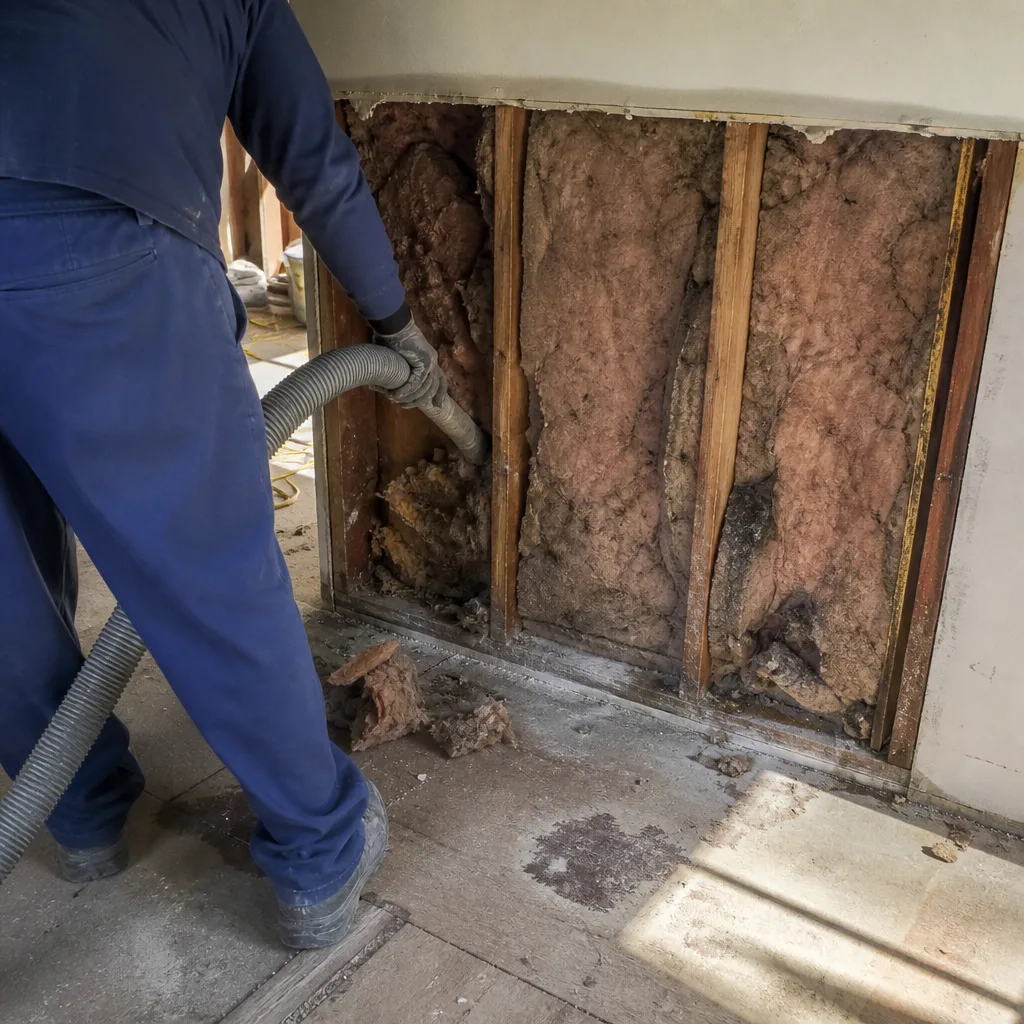 Before
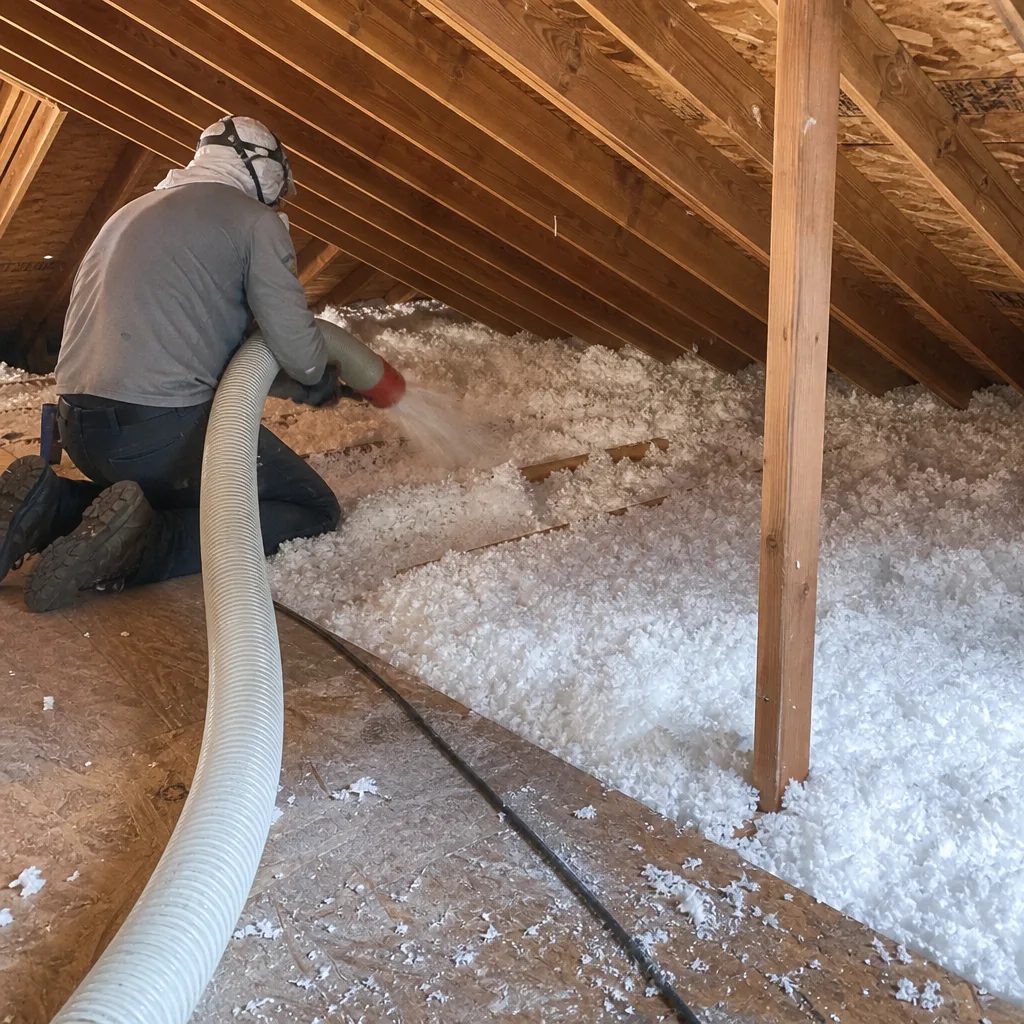 After
AfterWhy Palmdale’s Climate Zone 5 Changes the Insulation Equation
Palmdale sits in California’s Climate Zone 5, the high desert. That designation means something specific for your building envelope: you need both heating and cooling performance, and the temperature swing between January nights and July afternoons can exceed 80 degrees. Most national insulation guides assume you’re optimizing for one dominant load. In Palmdale, that’s a costly mistake.
Here’s what Zone 5 means in practice. Summer cooling loads dominate from June through September, with attic temperatures regularly reaching 140°F to 160°F. But winter heating loads still matter: Palmdale sees nighttime lows in the 20s, and the dry air makes conductive heat loss feel sharper than in humid climates. A wall or attic assembly that only addresses one season leaves you paying for the other.
The local code baseline reflects this dual load. Current California Title 24 requirements for Palmdale attics specify R-38 minimum for new construction, with R-49 recommended for full replacement. But code minimums assume a reasonably tight envelope. In our experience across Palmdale neighborhoods from Rancho Vista to Quartz Hill-adjacent areas, homes built between 1985 and 2005 average 8 to 15 ACH50 - two to four times leakier than the 3 to 5 ACH50 where R-value actually performs as rated.
Radiant heat transfer is the overlooked factor. At 160°F, your roof decking doesn’t just conduct heat downward - it radiates it across the attic space. Standard fiberglass batts, even at R-38, don’t stop radiant transfer. This is why we often recommend pairing insulation upgrades with radiant barrier installation in Palmdale homes, particularly those with dark composite shingles and west-facing roof planes.
The Mojave’s low humidity also affects material selection. Dry air means less moisture buffering in cellulose, faster static buildup in loose-fill fiberglass, and different expansion characteristics for spray foam. Material performance data from Owens Corning and Johns Manville is tested at 75°F and 50% relative humidity - conditions that never occur simultaneously in a Palmdale attic.
ACH50 and Blower-Door Testing: The Number Most Quotes Hide
ACH50 stands for air changes per hour at 50 pascals - a standardized pressurization that simulates roughly a 20 mph wind hitting all sides of your house at once. The blower-door test, a pressurization reading that shows in one number how much air your building envelope is losing, is the only way to measure it. Every contractor owns this equipment. Few volunteer the numbers.
Here’s what a blower-door result looks like on paper, and what you should receive before any insulation work begins:
- Pre-work baseline: A single CFM50 number (cubic feet per minute at 50 pascals) and the derived ACH50. For a 2,000 square foot Palmdale home with 8-foot ceilings, 3,000 CFM50 equals roughly 11 ACH50 - leaky.
- Post-sealing verification: A second test after air sealing but before insulation installation. This proves the sealing work actually happened.
- Post-insulation final: A third test on jobs where insulation type affects airtightness, such as spray foam.
We publish before-and-after blower-door numbers on every applicable job at Envelope Insulation Co. Under Haven Standard Clause 1, the written scope includes the target ACH50 before anyone lifts a tool. If a contractor won’t commit to a number in writing, they can’t be held accountable for missing it.
ACH50 targets for Palmdale:
- Existing homes, practical maximum: 5 ACH50 - achievable in most tract construction with proper air sealing
- Existing homes, excellent: 3 ACH50 - requires attention to wall penetrations and fireplace dampers
- New construction target: 1.5 to 3 ACH50 - irrelevant for retrofit work but useful as a benchmark
The relationship between ACH50 and utility cost is non-linear. Dropping from 12 to 6 ACH50 typically saves more than dropping from 6 to 3, because the largest leaks - top plates, soffit chases, unsealed can lights - are addressed first. But in Palmdale’s climate, that second drop matters more for summer comfort, because it reduces the stack effect that pulls 160°F attic air down through interior walls.
CFM50 per square foot is another useful metric. For Palmdale’s housing stock, we look for below 0.35 CFM50/sq ft as a reasonable post-sealing target. A 1,800 sq ft home should test below 630 CFM50 after air sealing. If your contractor doesn’t know this ratio, they aren’t measuring what matters.
The Three Failure Points in Palmdale Tract Homes
Palmdale’s construction boom from 1985 to 2005 produced thousands of homes with identical envelope failures. We’ve documented these in Rancho Vista, Anaverde, and the older sections of West Palmdale. The patterns are so consistent you can predict them from the permit year.
Failure Point 1: Unsealed Top Plates
Top plates are the horizontal framing members where wall studs meet the ceiling drywall. In standard platform framing, there’s a gap between the double top plate and the ceiling drywall - sometimes 1/8 inch, sometimes 1/2 inch - running the full perimeter of every exterior wall. In a 2,000 square foot home, that’s roughly 180 linear feet of unsealed crack, plus interior partitions that connect conditioned space to the attic.
During a blower-door test, we routinely find 15% to 25% of total leakage at top plates. In Palmdale’s summer, this is the path that lets 160°F attic air cascade down interior walls, creating the classic “hot wall” complaint in second-floor bedrooms. Sealing requires removing existing insulation along plate lines, applying caulk or foam, and verifying with a smoke pencil or thermal camera.
Failure Point 2: Recessed Light Penetrations
Recessed can lights installed before 2012 are almost never IC-rated (insulation contact) in Palmdale’s housing stock. The housing sits below ceiling drywall, creating a direct hole to the attic. A single non-IC can light leaks roughly 2 to 4 CFM50 - equivalent to a 4-inch hole in your wall. A kitchen with six cans is leaking like it has a 24-inch window open year-round.
The fix varies. IC-rated LED retrofits with airtight gaskets eliminate the penetration entirely. Where homeowners want to keep existing fixtures, we build sealed boxes from mineral wool board or sheet metal, sealed with fire-rated caulk. This is labor-intensive, which is why it’s often skipped. Under Haven Standard, we don’t blow insulation over unsealed cans - period.
Failure Point 3: Dropped-Soffit Chases
Dropped soffits - the boxed frames around kitchen cabinets, bathroom vents, and fireplace surrounds - create vertical chases that connect conditioned space to attic directly. In Palmdale’s 1990s construction, these are typically framed with 2x2s and 1/4-inch lauan, then covered with drywall that stops at the ceiling plane. The top is open to the attic.
We’ve measured temperature differentials of 40°F across soffit chase walls in July. The chase acts as a thermal chimney, accelerating both summer heat gain and winter heat loss. Sealing requires rigid blocking at the attic plane, sealed with foam, and often involves working around existing ductwork or plumbing vents.
These three failures explain why R-value alone fails in Palmdale. You can install R-60 cellulose over an unsealed attic floor and still lose 30% of conditioned air through plates, lights, and chases. The insulation performs at its rated R-value only in the gaps where air isn’t moving through it.
How Insulation Materials Perform at 160°F
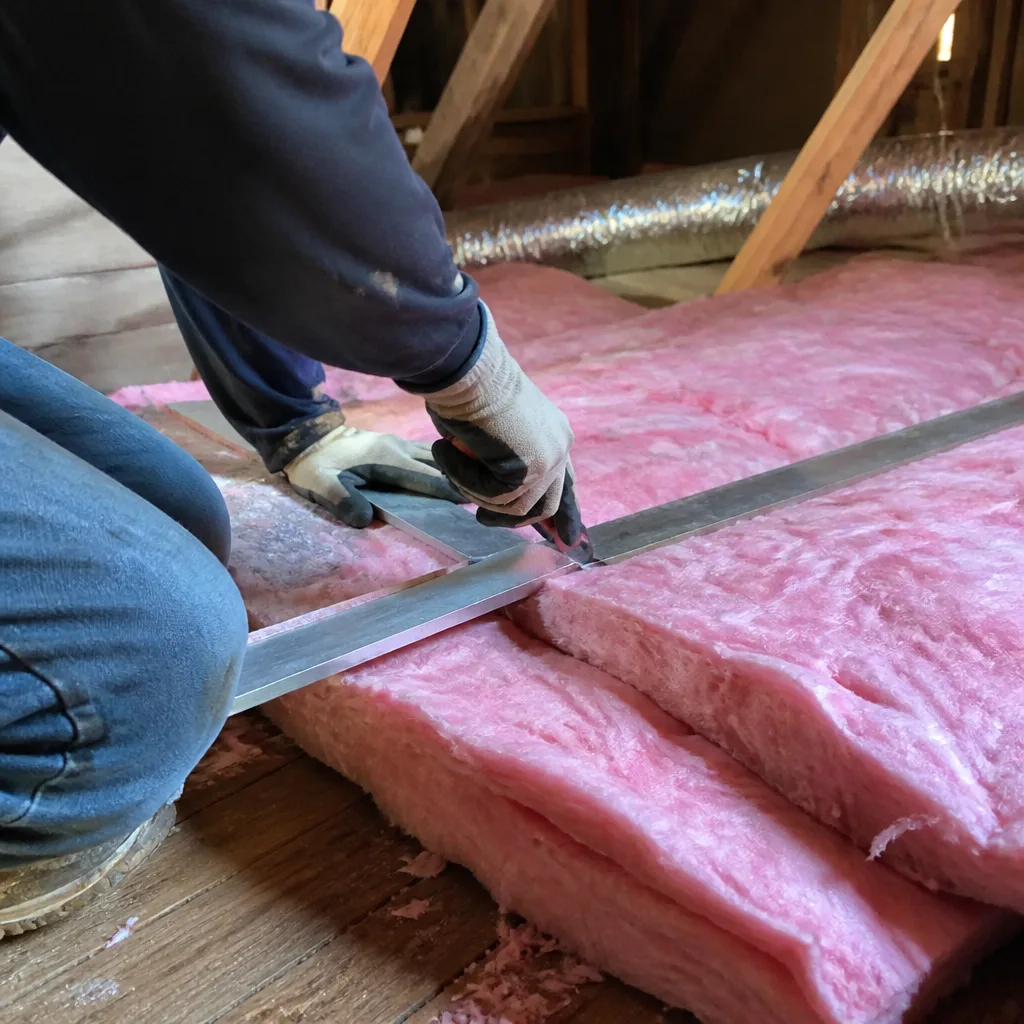
Material selection for Palmdale attics requires looking beyond published R-values to how each product behaves at sustained high temperature, under thermal cycling, and in extremely low humidity. Here’s what we’ve observed across thousands of Palmdale installations.
Blown Fiberglass (Loose-Fill)
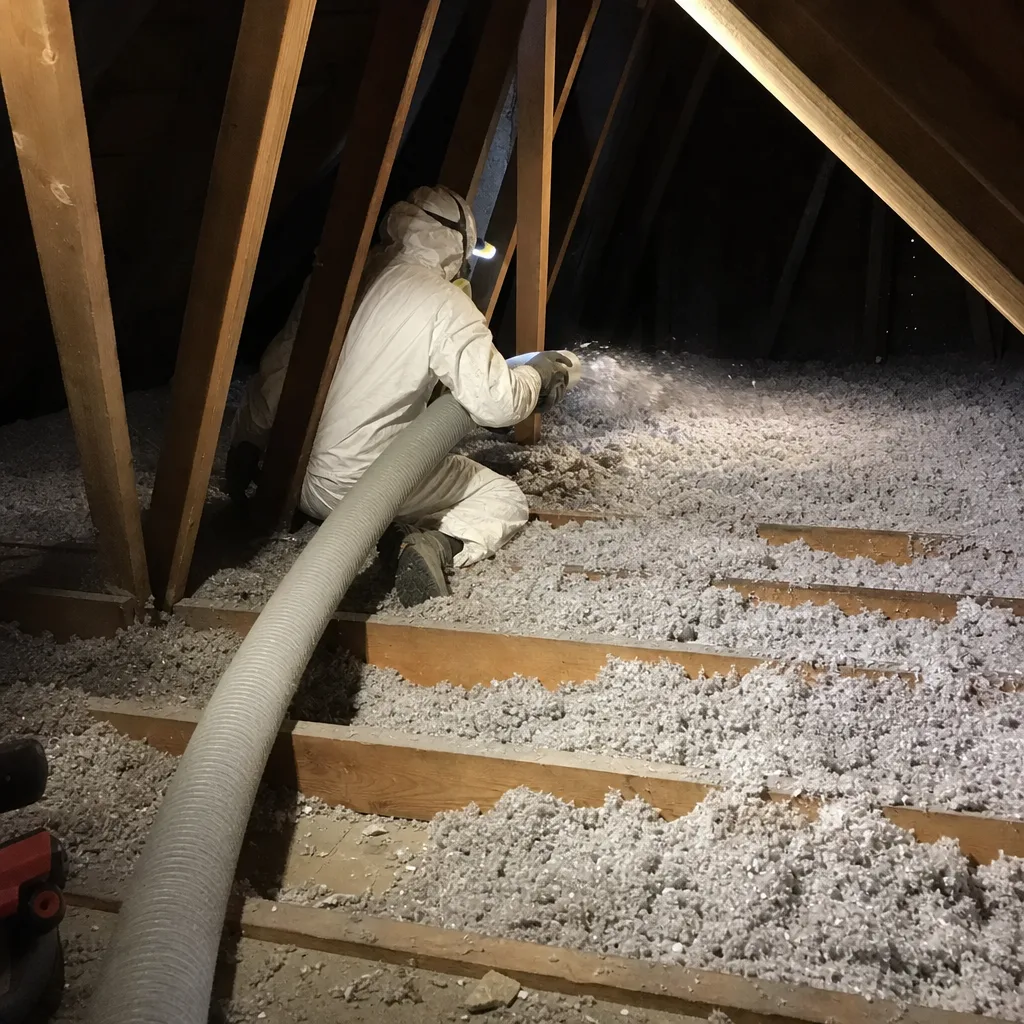
Loose-fill fiberglass, such as Owens Corning AttiCat or Johns Manville Climate Pro, is the most common retrofit choice in Palmdale. At R-3.0 to R-3.7 per inch, it requires 10 to 13 inches for R-38. In 160°F attics, fiberglass doesn’t degrade chemically, but it does settle differentially: deeper piles compact faster near hot surfaces, creating density variation that reduces effective R-value in the bottom 3 to 4 inches.
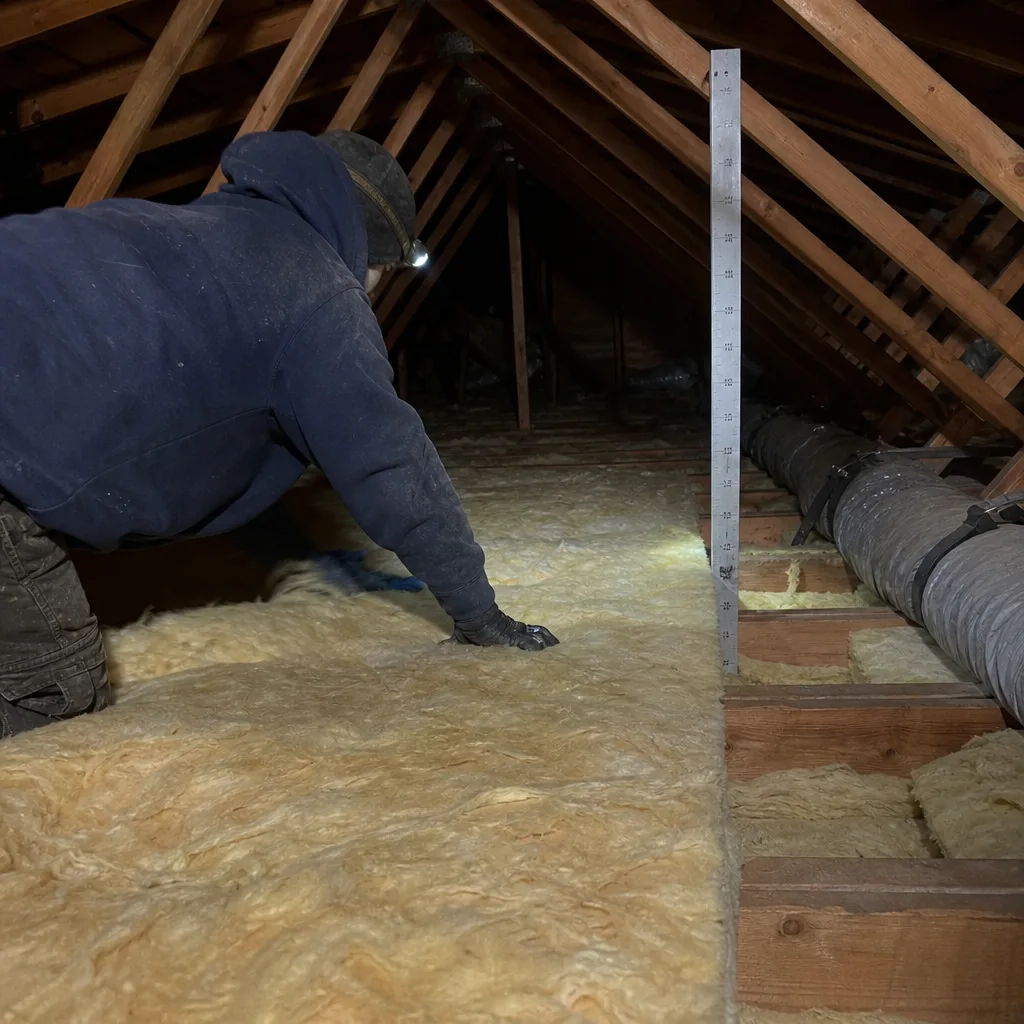
Static electricity is the practical issue. At humidity levels below 20%, common in Palmdale attics, loose-fill fiberglass becomes difficult to distribute evenly. We use conditioning sprayers that add minimal moisture during installation, and we verify depth with probe measurements every 100 square feet - not visual inspection from the hatch.
Blown fiberglass works best when paired with thorough air sealing and, in west-facing attics, a radiant barrier. It’s cost-effective for large open attics with minimal obstructions.
Open-Cell Spray Foam
Open-cell spray foam at 0.5 lb/ft³ density provides R-3.5 to R-3.7 per inch and functions as both insulation and air barrier when applied at sufficient thickness. In Palmdale’s climate, the critical factor is the topcoat temperature during application. Above 90°F ambient, the exothermic reaction accelerates, potentially causing dimensional instability in the top 1 to 2 inches.
We schedule open-cell applications in Palmdale before 10 a.m. from June through September, and we verify pass thickness with pin probes. The air-sealing benefit is substantial: a full open-cell application to roof decking typically achieves 3 to 5 ACH50 without additional sealing work. But the cost is 3 to 4 times blown fiberglass, and it requires HVAC load recalculation because the attic becomes conditioned space.
Rigid Mineral Wool (Board Stock)
Rockwool or Knauf Insulation rigid boards at R-4.0 to R-4.2 per inch handle Palmdale’s temperature extremes better than any fibrous material. Mineral wool doesn’t melt until above 2,000°F, doesn’t settle, and maintains dimensional stability through thermal cycling. We use it primarily for specific applications: dropped soffit blocking, cathedral ceiling assemblies where vent space is limited, and perimeter band joists in crawl spaces.
The weight is the limitation. At 8 lb/ft³, rigid mineral wool requires mechanical fastening that adds labor cost. For full attic coverage, it’s rarely cost-competitive with loose-fill in Palmdale’s market.
Cellulose
GreenFiber loose-fill cellulose, treated with borate for fire and pest resistance, provides R-3.2 to R-3.8 per inch depending on density. In Palmdale’s dry climate, the moisture buffering that makes cellulose attractive in humid regions is irrelevant. More concerning is the documented tendency for cellulose to settle 10% to 20% in the first two years, particularly when installed over irregular framing or at depths above 12 inches.
At sustained 160°F, cellulose dust becomes more friable. We see increased particulate migration through ceiling penetrations in homes where cellulose was blown without air sealing first. For Palmdale attics, we recommend cellulose primarily for wall dense-packing applications, where settling is less critical and the borate treatment provides pest resistance in exterior walls.
Closed-Cell Spray Foam
Closed-cell at 2.0 lb/ft³ density provides R-6.0 to R-7.0 per inch and functions as vapor barrier at 1-inch thickness. In Palmdale’s dry climate, the vapor barrier function is unnecessary - we don’t have the moisture drive that makes closed-cell essential in Gulf Coast or Pacific Northwest applications. The higher cost and lower yield per set make closed-cell hard to justify for attic work in this market, except for specific applications like steel-frame commercial buildings or unvented roof assemblies with space constraints.
Choosing Your Starting Point: House Age, Ducts, and Utility Bills
The right insulation strategy depends on variables that generic guides ignore. Use this framework to identify your highest-impact starting point.
| House Characteristics | Most Impactful First Step | Expected Outcome | Typical Investment Range in Palmdale |
|---|---|---|---|
| Built 1985-1999, ducts in attic, summer bills $400+ | Attic air sealing + blown fiberglass to R-38, with radiant barrier if west-facing | 15-25% cooling cost reduction, improved upstairs comfort | $3,200-$5,800 |
| Built 1985-1999, ducts in conditioned space, moderate bills | Air sealing priority, insulation upgrade secondary | 10-15% total HVAC cost reduction, less draftiness | $1,800-$3,400 |
| Built 2000-2010, original insulation, bills rising | Insulation assessment + targeted air sealing at known failure points | Restoration of original performance, 8-12% cost reduction | $2,400-$4,600 |
| Built 1970s or earlier, minimal insulation, knob-and-tube or early Romex | Full electrical and structural assessment before any insulation work | Safe envelope upgrade, often requires rewiring first | $4,500-$9,000+ (with electrical) |
| Any age, spray foam interest, HVAC in attic | Open-cell to roof deck with HVAC relocation or encapsulation planning | Conditioned attic, 20-30% HVAC efficiency gain, duct leakage eliminated | $8,000-$15,000 |
Duct location is the single biggest variable we see in Palmdale. When ducts run through a 160°F attic, they lose 15% to 30% of cooling capacity before air reaches your vents. Sealing and insulating those ducts helps, but moving them to conditioned space or encapsulating the attic with spray foam eliminates the loss entirely. The decision matrix above reflects this: same house, different duct location, different optimal strategy.
Utility bill analysis is the diagnostic tool most homeowners already own. Compare your highest summer month to your lowest spring month - the difference is your cooling load. In Palmdale, a well-sealed, properly insulated 2,000 sq ft home should see summer peaks roughly $180 to $260 above baseline for standard efficiency HVAC. If your gap is $400 or more, you have envelope problems, equipment problems, or both.
What a Proper Job Looks Like From Start to Finish
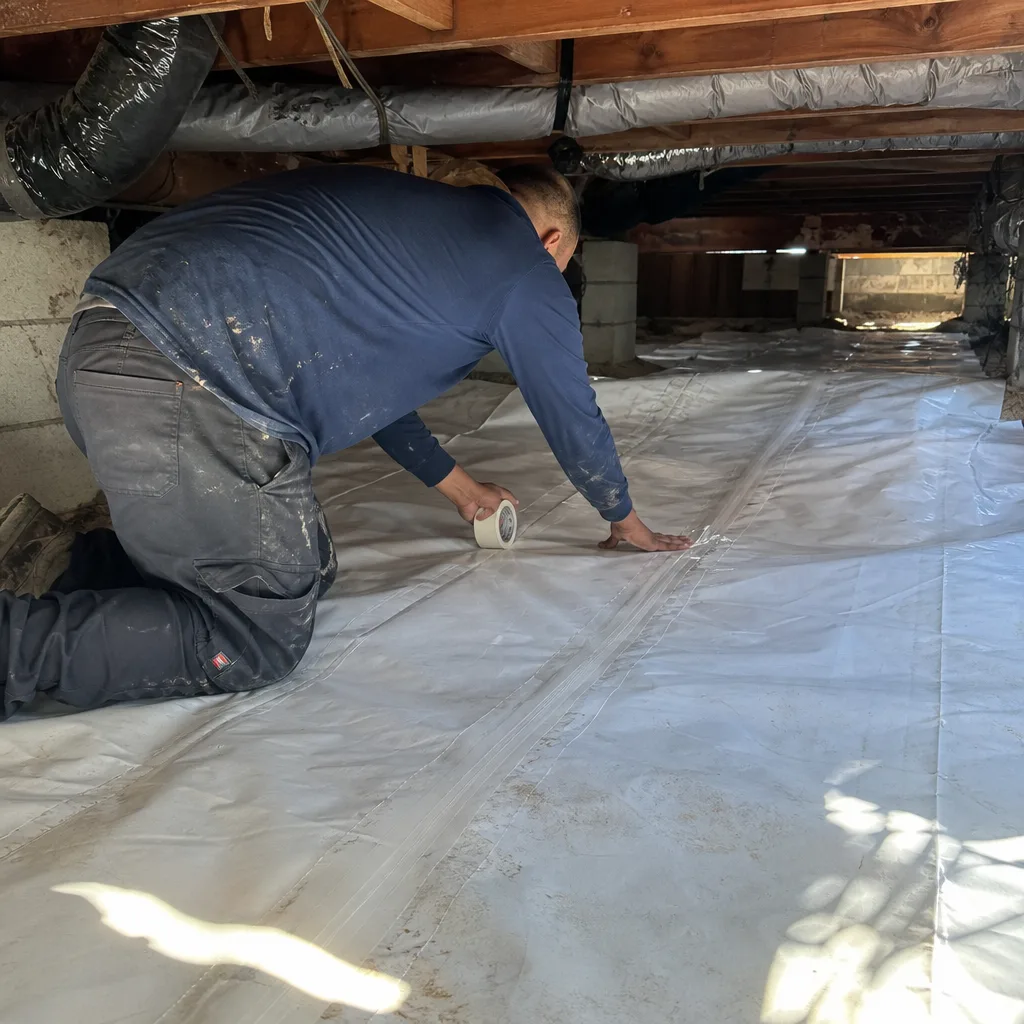
Under Haven Standard, every job at Envelope Insulation Co. follows the same documentation sequence. Here’s what you should expect from any contractor in Palmdale, and what we deliver on every project. See How to Hire a Insulation Contractor in Palmdale: A Step-by-Step Guide for the full vetting process.
- Initial assessment with blower-door baseline. We test before we quote. The CFM50 and ACH50 numbers go into your written scope. If a contractor quotes insulation without testing, they’re guessing at the air sealing labor - and usually guessing low.
- Written price with scope, warranty, and target metrics. Haven Standard Clause 1: flat price, written scope, written warranty before anyone lifts a tool. No “we’ll see once we’re in there” pricing.
- Air sealing completion and verification. Top plates, can lights, soffit chases, plumbing and electrical penetrations, chimney saddles. We smoke-test and infrared-verify. Then we test again: post-sealing CFM50 must hit the target in your written scope.
- Insulation installation with depth verification. Probe measurements on 100 sq ft grid. Photo documentation of depth, coverage, and any obstructions. Material certifications from named manufacturers - Owens Corning, Johns Manville, Knauf, or others as specified - included in your project file.
- Final blower-door test (applicable jobs) and documentation delivery. Before-and-after readings published. Documented Photo Record delivered. Written warranty with 365-Day Done Right Promise.
The documentation is what separates a proper job from a guess. You should walk away with: your baseline and final blower-door numbers; photos of air sealing work in areas you can’t access; insulation depth measurements; material specification sheet; and a written warranty with clear coverage terms. If a contractor promises “you’ll feel the difference,” ask for the numbers that prove it.
For crawl space work in Palmdale, the sequence is similar but adds moisture monitoring and vapor barrier installation. For spray foam applications, we include substrate moisture testing and ambient temperature logging during application.
Common Mistakes to Avoid
- Blowing insulation over unsealed attic floors. This is the most common error in Palmdale retrofits. The new insulation hides the leaks, makes them harder to fix later, and often compresses where air is moving through it. Air sealing first, always.
- Ignoring the radiant barrier in west-facing attics. R-value doesn’t address radiant heat transfer. A west-facing Palmdale attic with dark shingles can gain 30% more heat than an identical east-facing roof. Radiant barrier installation costs $800 to $1,400 and pays back in 3 to 5 years in these orientations.
- Assuming R-38 is R-38. R-value is tested in still air. At 2 mph air movement through the insulation, effective R-value drops 30% to 50%. This is why ACH50 matters more than the insulation label.
- Neglecting duct sealing when ducts are in the attic. Even well-insulated ducts leak at seams and connections. In a 160°F attic, every CFM of leakage is conditioned air you paid to cool, lost. Duct sealing should be part of any attic insulation scope when HVAC runs through the space.
- Using recessed can covers without checking fixture rating. Non-IC fixtures with standard covers can overheat and create fire risk. We verify fixture ratings before selecting cover type - a step that adds 10 minutes per light and is often skipped.
- Skipping the post-work blower-door test. Without verification, you don’t know if the air sealing worked. We provide this on every applicable job. Contractors who don’t test after sealing aren’t accountable for results.
When to Call a Professional
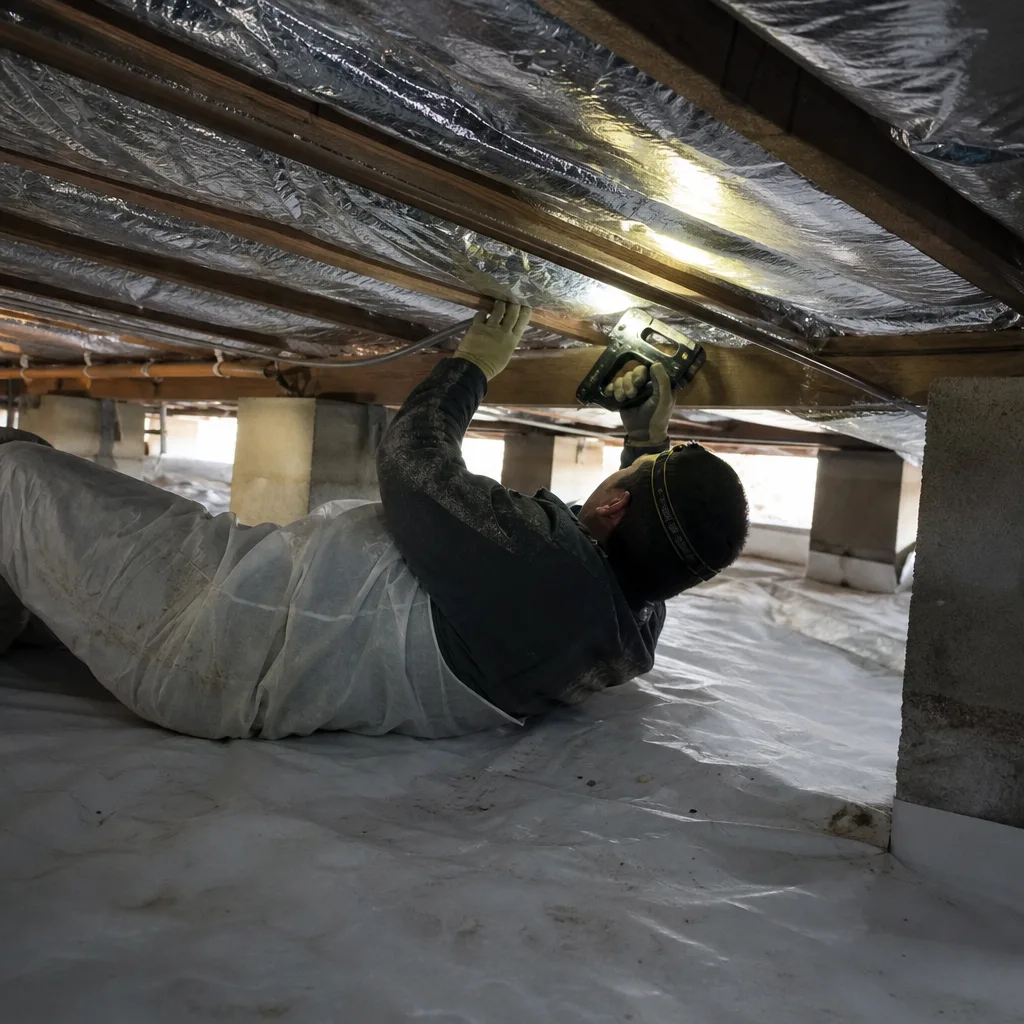
Call a professional when your summer cooling bills exceed $300 for a home under 2,500 square feet, when upstairs rooms stay 8°F or more warmer than downstairs, or when you can feel air movement around outlets and baseboards on windy days. These symptoms indicate envelope leakage that DIY sealing won’t address comprehensively - read our DIY vs Professional Insulation: The Palmdale Homeowner’s Decision Guide to decide which path fits your situation.
Also call before adding insulation if your home was built before 1985 and still has original electrical or if you’ve had rodent activity in the attic - both require assessment before insulation work begins. Attic insulation in Palmdale often reveals conditions that need resolution first.
Topside Attic Insulation Palmdale offers free estimates in Palmdale - call (661) 403-4467. Every estimate includes a blower-door baseline, written scope, and flat price before any work starts. We also provide free second opinions on any written estimate you’ve received from another contractor.
Frequently Asked Questions
Most attic insulation jobs in Palmdale homes between 1,500 and 2,500 square feet run $3,200 to $5,800 when air sealing is included, or $1,800 to $3,400 for air sealing alone without insulation upgrade. The exact price depends on attic accessibility, current insulation condition, and the extent of penetration sealing required. For detailed pricing factors, see our Insulation Cost Breakdown: The Palmdale Homeowner’s Reference for 2026. Call (661) 403-4467 for a written estimate - estimates are free, and we provide a flat price before any work starts.
ACH50 measures how many times your home’s air volume exchanges with outside air under standardized pressurization - lower is tighter. In Palmdale’s climate, a leaky home with high R-value performs worse than a tight home with moderate R-value because moving air bypasses insulation entirely. We target below 5 ACH50 on every job, verified by blower-door testing.
You can, but we won’t do it. Blowing insulation over an unsealed attic floor hides leaks, makes future access difficult, and wastes material because air moving through insulation reduces its effective R-value by 30% to 50%. Under Haven Standard, air sealing is prerequisite, not optional.
Properly installed fiberglass or mineral wool lasts 80 to 100 years structurally, but performance degrades if it settles, gets wet, or is installed over active air leaks. In Palmdale’s 160°F attics, cellulose settles 10% to 20% in two years; fiberglass maintains depth but can stratify thermally. The bigger issue is that insulation standards improve - R-19 was code in 1990, R-38 is current - so “still there” doesn’t mean “still adequate.”
Open-cell spray foam to roof decking is worth considering when your HVAC equipment and ducts are in the attic, because it converts the attic to conditioned space and eliminates duct losses entirely. At 3 to 4 times the cost of blown fiberglass, the payback depends on how many years you’ll stay in the home and your current summer cooling costs. For homes with ducts in conditioned space, blown fiberglass with proper air sealing is usually the better value.
You should receive: before-and-after blower-door readings on applicable jobs; photos of air sealing work and insulation depth measurements; material specification sheet with manufacturer name and product; written warranty with coverage terms and duration; and a final invoice matching the written price. Under Haven Standard, we deliver all of this on every job, no exceptions. If your contractor provides only a verbal summary, you have no recourse if performance doesn’t match promises.
The Bottom Line
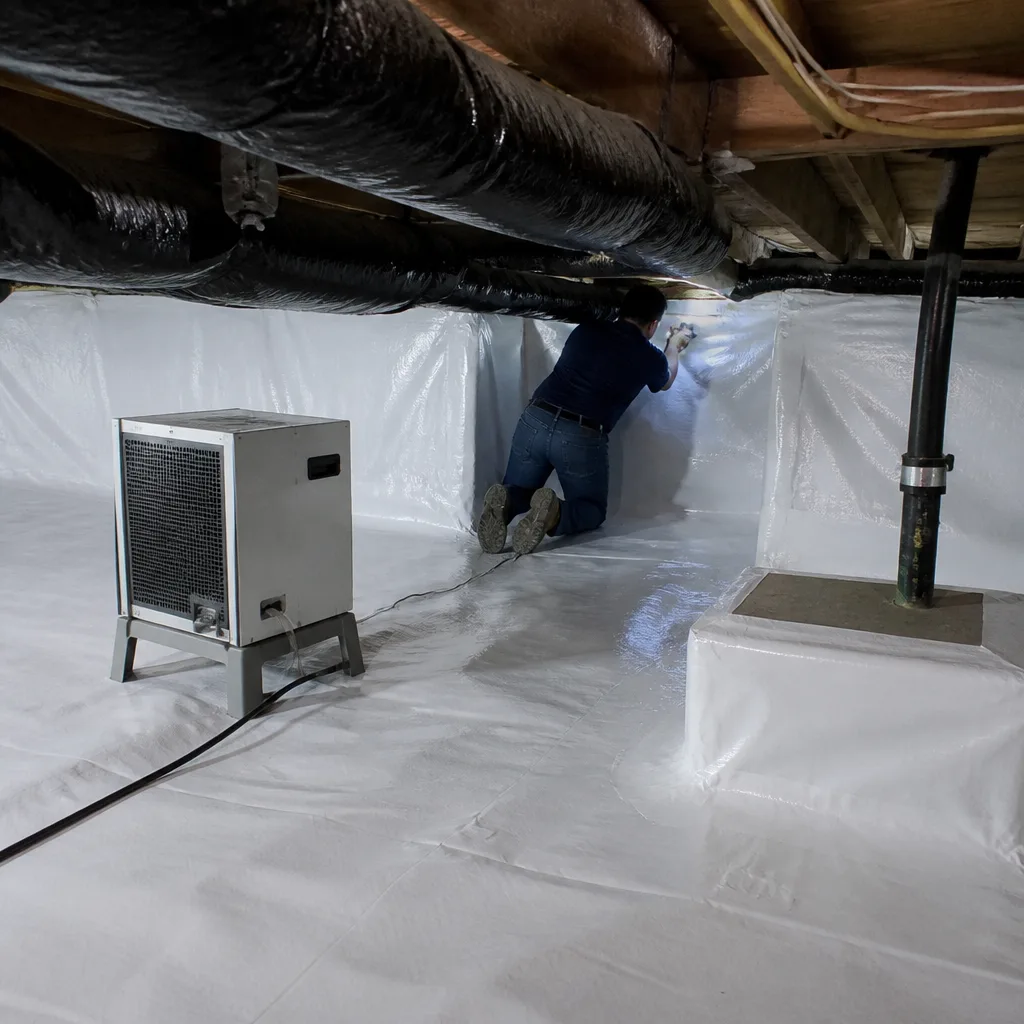
Insulation in Palmdale is not about hitting an R-value number and calling it done. The high desert climate - 160°F attics, 80-degree daily swings, dry air that doesn’t buffer moisture - demands an envelope-first approach where air sealing is verified, not assumed. Demand ACH50 targets in writing, understand your home’s specific construction-era failure points, and choose materials for how they perform at temperature extremes, not how they test in a lab. The documentation you receive at job’s end is the only proof that the work actually happened.
Written by Wes Okafor, Owner at Topside Attic Insulation Palmdale, serving Palmdale since 2016.