
Last updated September 24, 2026
How to Hire a Insulation Contractor in Palmdale: A Step-by-Step Guide
Two insulation quotes in Palmdale can both say “R-38 blown attic insulation” and differ by $1,400 - not because one contractor is cheating, but because one is pricing 10-inch fiberglass at 0.5 lb/ft³ and the other is pricing 15-inch cellulose at 1.5 lb/ft³. Under a desert roof deck that hits 140°F in July, those two assemblies perform nothing alike. Most hiring guides tell you to “get three quotes” without explaining how to read them, unlike our more guides & resources that break down what to look for. This guide teaches you to compare the line items, not just the bottom line, so you know what you’re actually buying in the Palmdale market.
Quick Answer
Hiring an insulation contractor in Palmdale starts with verifying a CSLB C-2 license, then requesting a written estimate with six specific line items: material type, installed density, total R-value, air-sealing scope, blower-door test inclusion, and warranty terms. Interview at least two contractors using the five technical questions below, and never sign a contract that lacks a written scope and written warranty before work begins.
Table of Contents
- Why Palmdale Insulation Quotes Differ by $1,400 for the “Same” Job
- The Six Line Items Every Written Estimate Must Include
- How to Verify a California Insulation License (Under Two Minutes)
- What a Blower-Door Test Result Looks Like on Paper
- Five Interview Questions That Reveal Technical Credibility
- Three Upsell Tactics Common in the Palmdale Market
- Palmdale Insulation Quote Comparison Template
- Common Mistakes to Avoid
- When to Call a Professional
- Frequently Asked Questions
 Before
 After
AfterWhy Palmdale Insulation Quotes Differ by $1,400 for the “Same” Job
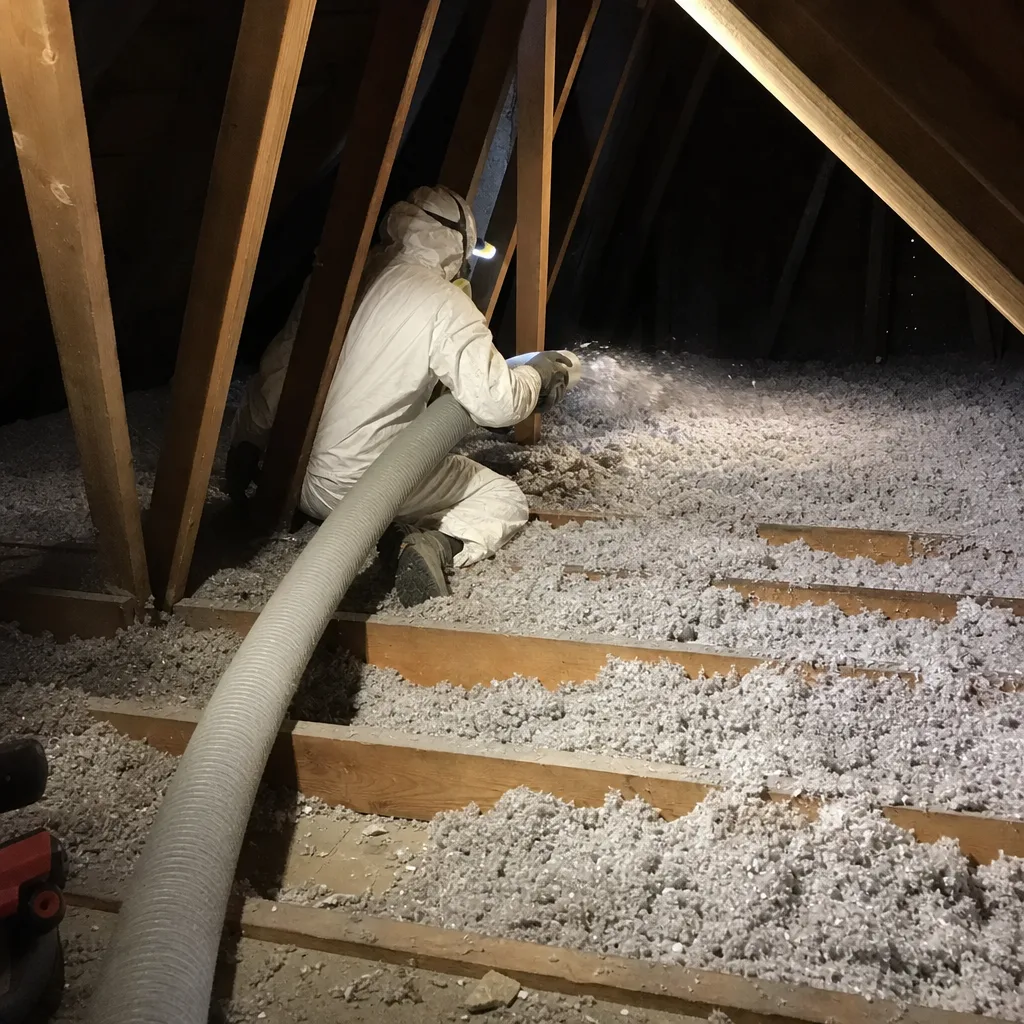
The Palmdale climate creates specific stress on insulation that contractors in milder zones don’t face. Summer roof deck temperatures regularly exceed 130°F, and the daily temperature swing from desert night to afternoon sun can exceed 40°F. That thermal cycling matters because different materials respond differently to it.
Here’s what we see in Palmdale homes, particularly in neighborhoods like Rancho Vista and Anaverde where construction spans from the 1980s through the 2000s build boom: a contractor quoting loose-fill fiberglass at minimum density may hit an R-38 on paper but will see significant settling within two to three years. Cellulose at higher density, or a hybrid approach with air sealing and targeted spray foam at top plates, performs better long-term but costs more to install correctly. The quote isn’t higher because the contractor is greedy. It’s higher because the assembly is different.
The problem is that most Palmdale homeowners don’t know to ask about installed density. They see “R-38 blown insulation” on two quotes and assume parity. They are not getting parity. One quote might assume 12 inches of fiberglass at 0.5 pounds per cubic foot. Another might specify 15 inches of cellulose at 1.5 pounds per cubic foot with top plate sealing and a blower-door test. The second quote is not just more expensive. It’s a different building assembly entirely.
Material brand matters too, though not the way most homeowners think. We source from Johns Manville, Knauf, and Rockwool among others, and we specify which product by job because different fibers handle the Palmdale temperature swing differently. A contractor who won’t name the manufacturer on the quote is a contractor who may switch to whatever is cheapest the morning of the job.
The only way to compare quotes honestly is to normalize them line by line. The next section shows exactly how.
The Six Line Items Every Written Estimate Must Include
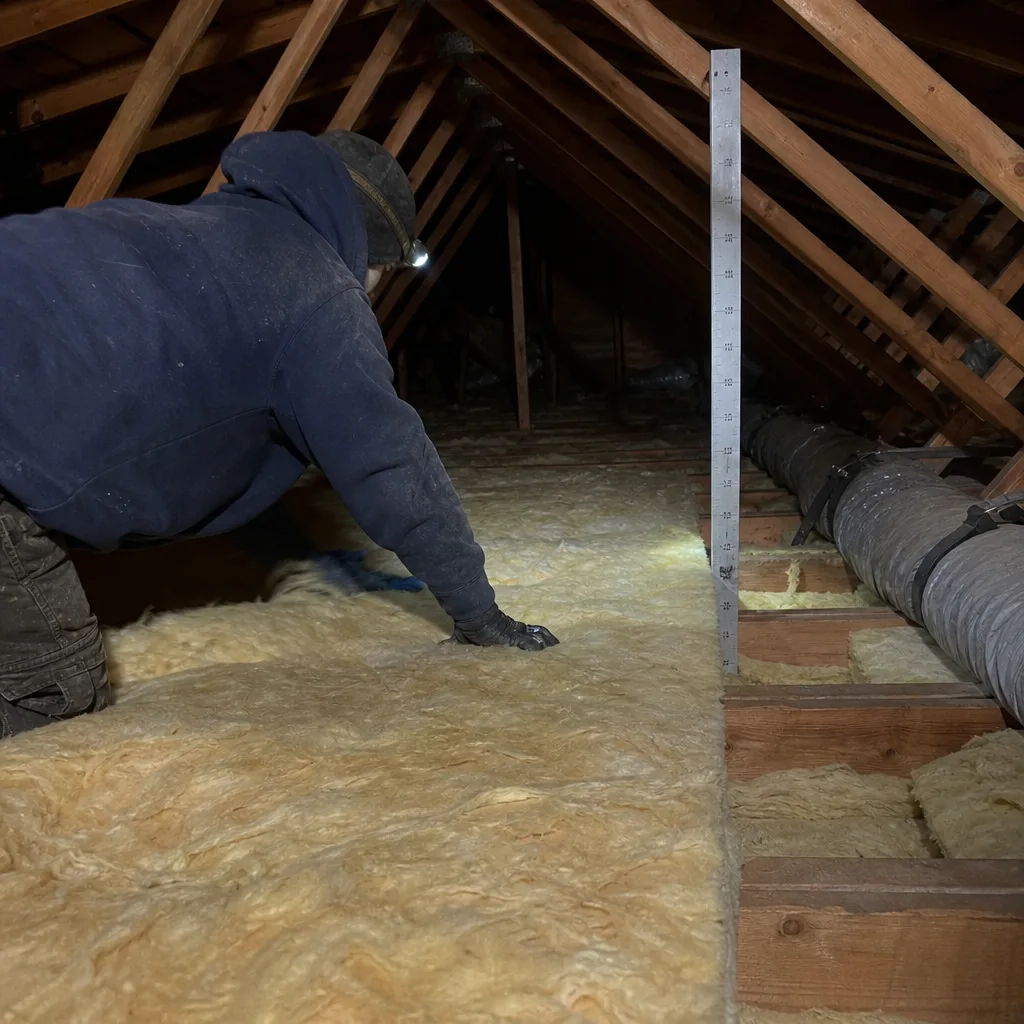
A legitimate insulation estimate is not a single number. It is a specification document. If your quote lacks any of these six items, you do not have enough information to make an informed decision.
| Line Item | What to Look For | Red Flag |
|---|---|---|
| 1. Material type | Specific product name and manufacturer, e.g., “Johns Manville Climate Pro B-19 blown fiberglass” or “Knauf Jet Stream Ultra cellulose” | “Blown insulation” with no brand or product named |
| 2. Installed density | Pounds per cubic foot (lb/ft³) for loose-fill, or board feet and thickness for spray foam | No density specified; “as needed to achieve R-value” |
| 3. Total R-value | Target R-value by code zone and installation location, e.g., “R-38 attic per Title 24” | R-value listed without reference to where it’s measured (attic floor vs. roof deck) |
| 4. Air-sealing scope | Specific items: top plates, can lights, penetrations, chimney chase, duct boots; and whether sealing happens before or after insulation | “Air sealing available” as a separate line item with no scope detail |
| 5. Blower-door test | Yes/no, and if yes, whether pre- and post-installation readings are included | “We test if needed” or no mention of testing |
| 6. Warranty terms | Duration, what it covers (material, labor, performance), and transferability to subsequent owners | “Satisfaction guaranteed” with no written terms |
In Palmdale, Title 24 requires minimum attic insulation of R-38 for new construction and significant alterations, but many existing homes built before 2005 sit at R-19 or below. A contractor quoting R-38 without noting whether your home currently meets code is a contractor who hasn’t done the diagnostic work to know what they’re quoting against - for details on requirements, see Insulation Permits, Codes & Inspections in CA: What You Need to Know.
At Topside Attic Insulation Palmdale home, every estimate we write includes all six line items before any work starts. That’s Haven Standard Clause 1: flat price, written scope, written warranty before anyone lifts a tool. We’ve delivered written prices on over 9,000 homes since 2016, and we don’t start a job without one.
How to Verify a California Insulation License (Under Two Minutes)
California requires insulation contractors to hold a C-2 license, Warm-Air Heating, Ventilating and Air-Conditioning, which covers insulation work. A C-61/D-49, Tree and Landscaping, or B-General license does not legally authorize insulation installation. Here’s how to check in under two minutes.
- Go to contractors.cslb.ca.gov and click “Check a License.”
- Enter the contractor’s license number or business name.
- Verify the license status shows “Active” and the classification includes C-2.
- Check that the license bond and workers’ compensation insurance are current.
- Review the “Complaint Disclosure” section for any pending or resolved disciplinary actions.
A valid C-2 license means the contractor has passed a trade-specific exam, maintained a $25,000 bond, and carries workers’ compensation if they employ anyone. In Palmdale, where summer attic work is genuinely hazardous, uninsured crews are a liability that can land on the homeowner if someone gets hurt on your property.
We carry state licensing, full insurance, and bonding on every job. Wes Okafor has held the same license since founding the company, and we provide the license number on request before any site visit.
What a Blower-Door Test Result Looks Like on Paper
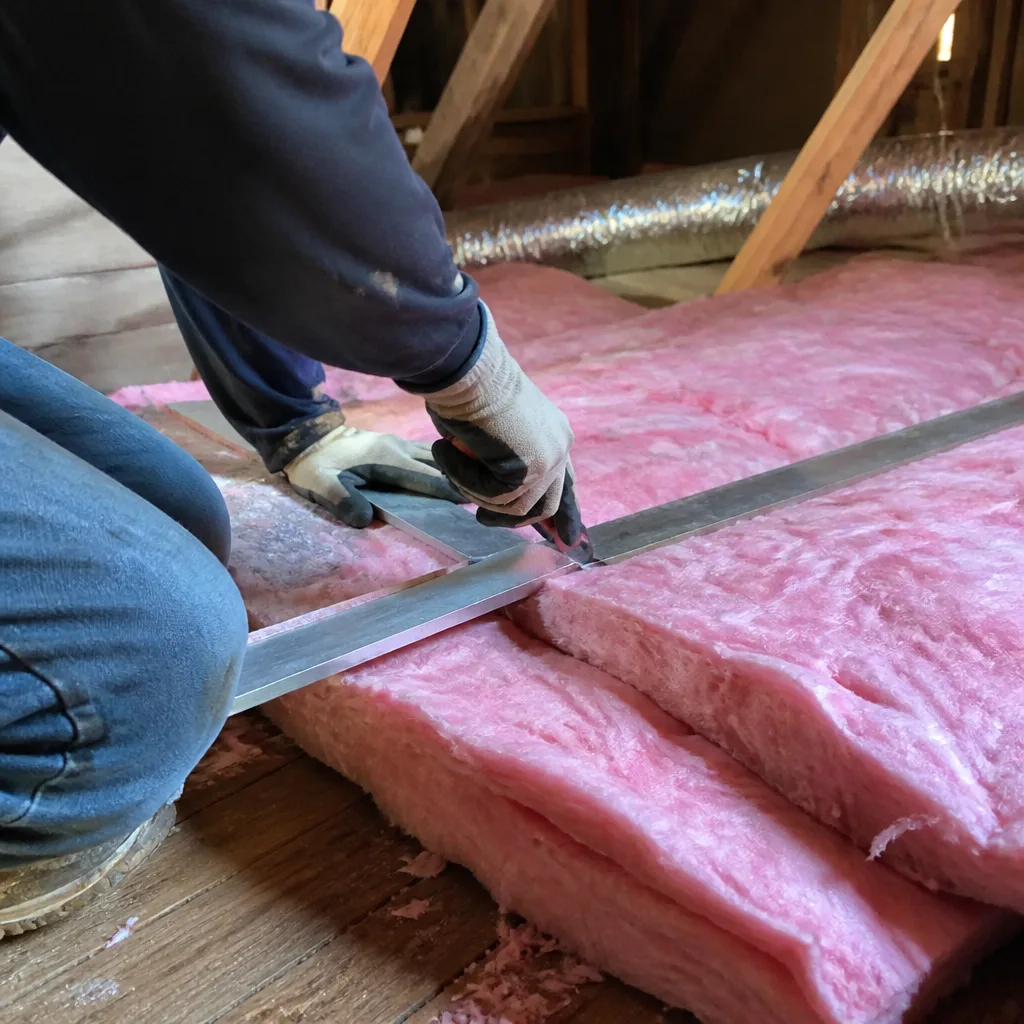
A blower-door test is a pressurization reading that shows, in one number, how much air your building envelope is losing. The result is expressed in CFM50 - cubic feet of air per minute moving through the envelope at 50 Pascals of pressure. Lower is tighter. A typical 2,000 square foot Palmdale home from the 1990s might read 4,000 CFM50 before air sealing. After proper sealing and insulation, that same home might read 2,200 CFM50.
Here’s what the document looks like when a contractor does this honestly:
- Pre-test date and conditions: Outdoor temperature, wind speed, and whether interior doors were open or closed
- Pre-test CFM50: The baseline reading before any work
- Air-sealing work performed: Specific locations sealed, with photo documentation
- Post-test CFM50: The reading after sealing and insulation
- Percentage improvement: The quantified reduction in air leakage
- Technician name and certification: Who performed the test and their credential
Without a pre-test, a contractor cannot honestly promise any specific performance outcome. They are guessing. In Palmdale’s climate, where air conditioning loads dominate summer utility bills, a 40% reduction in envelope leakage translates directly to equipment runtime and energy cost. But you cannot verify that reduction without a number from before the work started.
We publish before-and-after blower-door numbers on every applicable job. Not because it’s marketing. Because it’s the only way to prove the homeowner got what they paid for. If a contractor in Palmdale tells you a blower-door test is unnecessary or charges extra for it, they are telling you they do not measure their own work.
Five Interview Questions That Reveal Technical Credibility
Price is easy to compare. Expertise is not. These five questions separate contractors who understand building science from those who understand sales scripts. We’ve heard every answer in the Palmdale market over nine years.
1. “Will you air seal before insulating, and what specifically will you seal?”
A credible answer names specific components: top plates, recessed can lights, plumbing and electrical penetrations, the chimney chase, duct boots, and the attic access hatch. A weak answer says “we check for leaks” or offers air sealing as a separate upsell. In Palmdale’s climate, blowing insulation over an unsealed attic floor is like pouring water into a bucket with holes. We seal first, then insulate, in that order, on every job.
2. “What density will you install, and how do you verify it?”
A credible answer gives a number - “1.5 lb/ft³ for cellulose” or “0.8 lb/ft³ for fiberglass” - and explains the verification method, whether that’s weighed bags divided by attic square footage, a depth gauge at multiple locations, or a density probe. A weak answer says “we install to manufacturer spec” without naming the spec or the verification. Density directly affects R-value retention over time. A contractor who cannot explain how they verify it cannot guarantee what they’re installing.
3. “What was your last blower-door result, and can I see it?”
A credible contractor has recent results and will show them, redacted for customer privacy if needed. A weak answer deflects - “we don’t always do that” or “it’s extra.” In Palmdale, where Title 24 compliance and HERS ratings are increasingly common in resale transactions, documented performance is becoming a property asset, not just a comfort issue.
4. “How do you handle the roof deck in a vented attic versus an unvented assembly?”
This question filters out installers who only know one approach. A credible answer explains that vented attics in Palmdale need proper intake and exhaust ventilation to manage roof deck temperature, while unvented assemblies require different insulation strategies, often involving spray foam at the roof line. A weak answer pushes one solution regardless of your home’s configuration. Spray foam insulation in Palmdale has specific applications, and a contractor who recommends it for every job is recommending it for their margin, not your building.
5. “What documentation do I receive when the crew leaves?”
A credible answer lists specific deliverables: a final invoice matching the written estimate, photo documentation of work areas, blower-door results if applicable, a written warranty, and any manufacturer product data sheets. A weak answer says “your receipt” or “we’ll email something.” At Envelope, every job closes with a Documented Photo Record included, not available on request. You know what leaving looks like before we arrive.
Three Upsell Tactics Common in the Palmdale Market
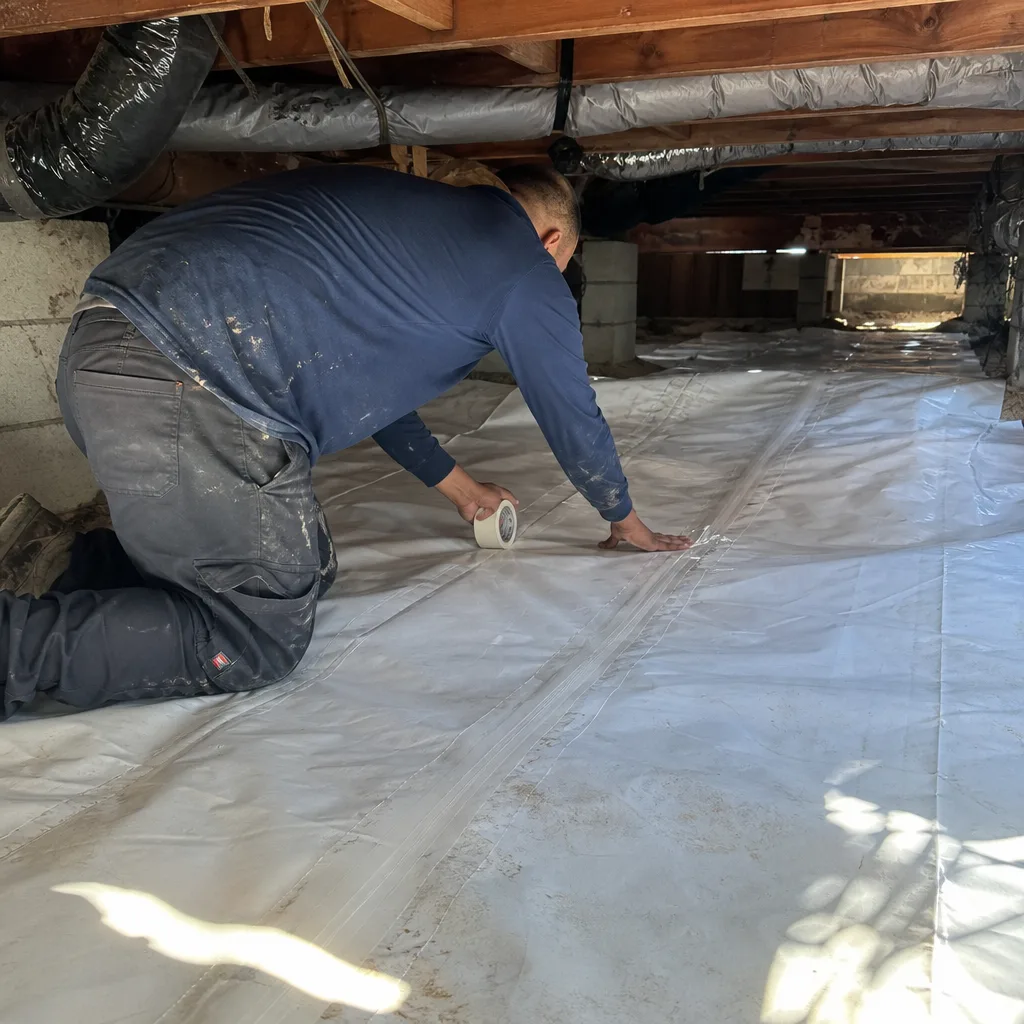
The Palmdale insulation market has patterns that repeat across neighborhoods from Quartz Hill to East Palmdale. These three tactics are not illegal, but they are designed to obscure what you’re actually buying.
Air Sealing Priced Separately With No Baseline Measurement
A contractor quotes $2,800 for insulation, then presents a $900 “air sealing package” after you’ve already mentally committed. The problem isn’t the price. It’s that without a blower-door test, neither you nor the contractor knows how much leakage exists, so the $900 is arbitrary. A legitimate air-sealing scope is measured, priced upfront, and performed before insulation goes in. We include air sealing in our base scope when the attic condition requires it, and we measure so you can verify the result.
Radiant Barrier Added to a Job That Doesn’t Need It
Reflective radiant barriers work by blocking radiant heat transfer across an air gap. They are effective in specific applications, primarily vented attics with significant ductwork in the attic space. They are not effective when installed directly on top of insulation with no air gap, or in homes where the primary issue is air leakage rather than radiant gain. In Palmdale, we see radiant barriers pushed as a standard add-on to every quote, including homes where the attic is already well-ventilated and the ducts are in conditioned space. The material cost is low; the markup is high.
“Encapsulation” Language Applied to Standard Crawlspace Work
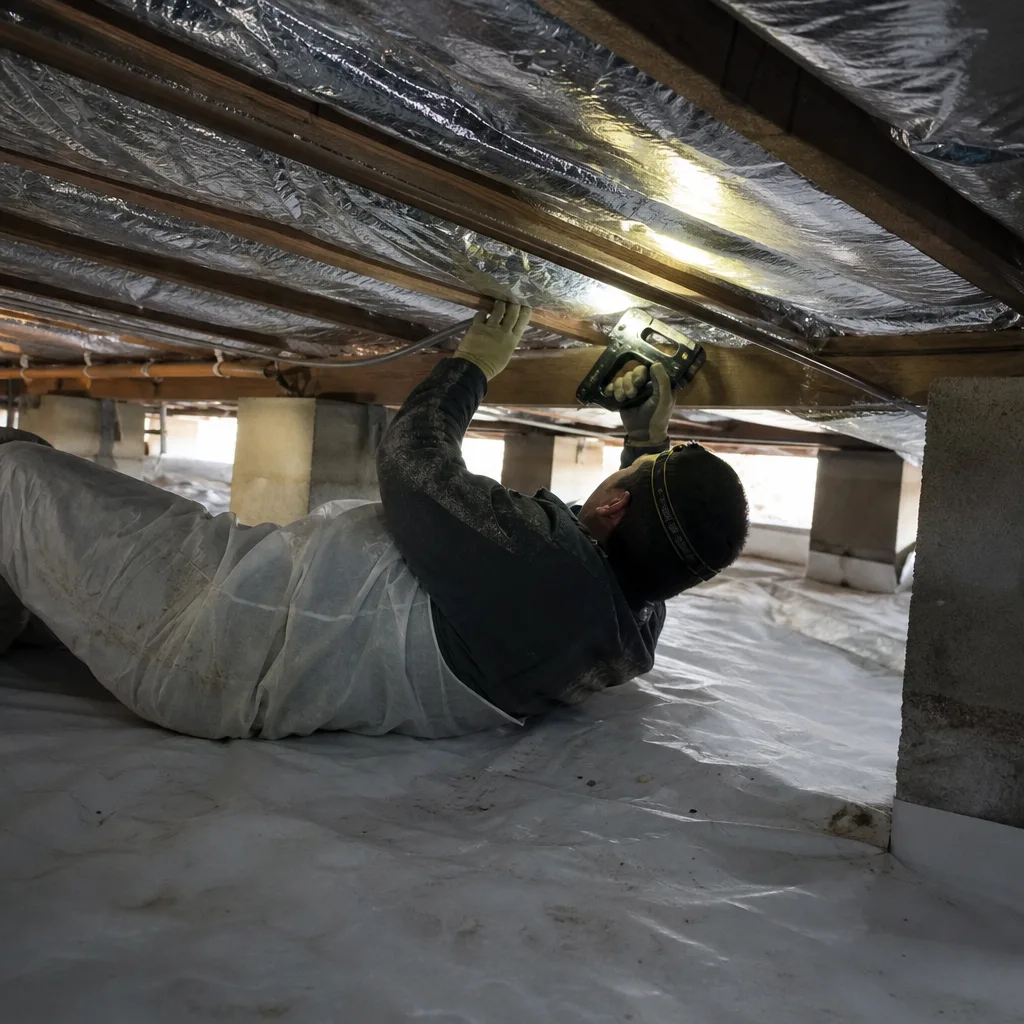
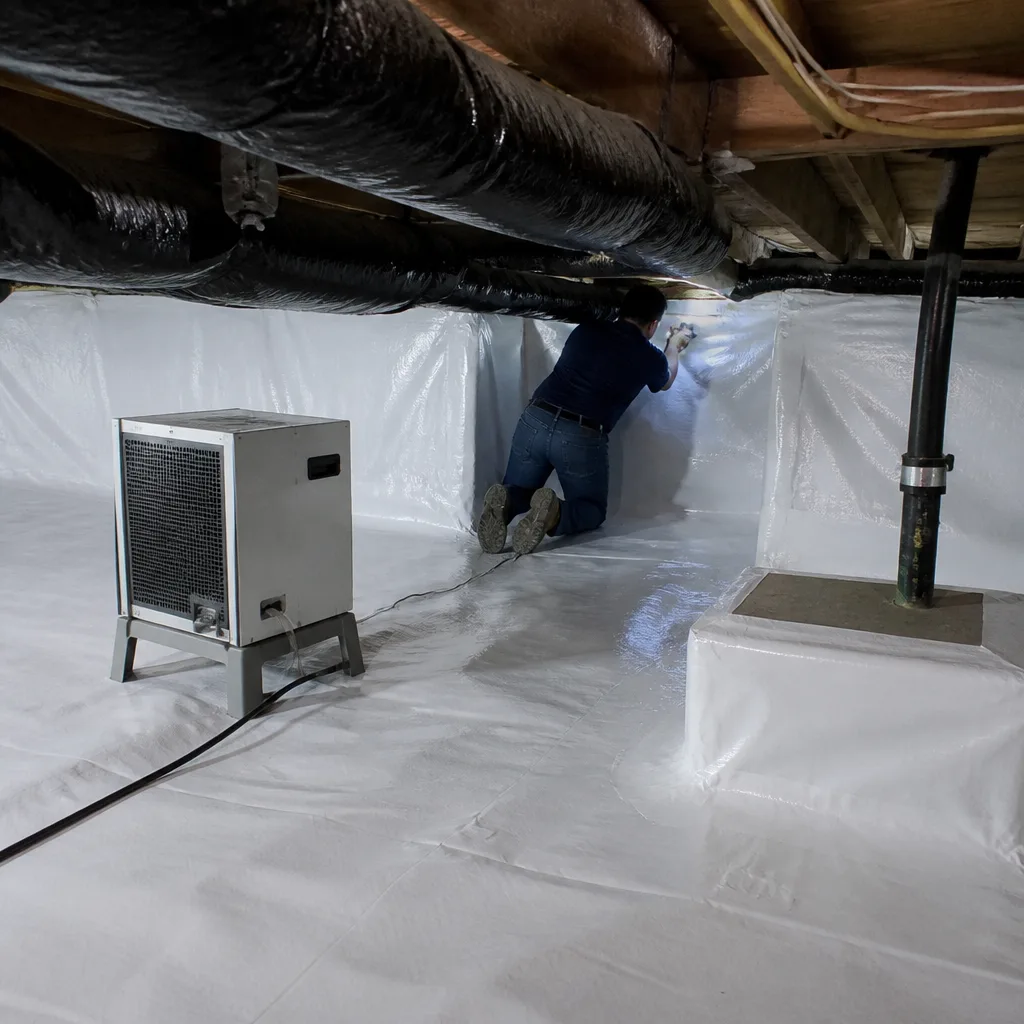
True crawl space encapsulation involves sealing the entire perimeter, installing a vapor barrier over all exposed earth, conditioning the space, and often dehumidification. A contractor who lays a 6-mil vapor barrier on the floor and calls it “encapsulation” is using terminology to inflate perceived value. In Palmdale’s dry climate, many crawl spaces need vapor barrier and rodent exclusion, not full encapsulation. Crawl space encapsulation and vapor barrier in Palmdale is a specific service with specific deliverables. If your quote doesn’t specify mil thickness, seam sealing method, and wall coverage, you are not getting encapsulation.
Palmdale Insulation Quote Comparison Template
Use this template to normalize any two or three quotes you receive. Copy the line items into a spreadsheet or print and fill by hand. The contractor who resists providing this detail is the contractor with the most to hide.
| Comparison Point | Contractor A | Contractor B | Contractor C |
|---|---|---|---|
| Material type & brand | |||
| Installed density (lb/ft³) | |||
| Target R-value & location | |||
| Air-sealing scope (specific items) | |||
| Blower-door test (pre/post) | |||
| Warranty (duration & coverage) | |||
| Total price | |||
| Price per conditioned square foot |
Calculate price per conditioned square foot by dividing total price by your home’s conditioned floor area. This normalizes for home size and lets you compare across properties. In Palmdale, we’ve seen legitimate attic insulation in Palmdale range from $1.80 to $3.50 per square foot depending on material, access difficulty, and air-sealing complexity. A quote at $0.90 per square foot is not a bargain. It is missing something.
Common Mistakes to Avoid
- Comparing bottom-line prices without normalizing specifications. A $2,400 quote for R-38 fiberglass at 0.5 lb/ft³ with no air sealing is not cheaper than a $3,200 quote for R-38 cellulose at 1.5 lb/ft³ with full top-plate sealing and a blower-door test. It is a different product with a different performance outcome.
- Hiring based on speed of availability alone. A contractor who can start tomorrow in peak Palmdale summer season may be available because their work quality generates repeat callbacks, not because they had a cancellation. Ask why the slot is open.
- Accepting verbal warranties. California law requires specific home improvement contract terms, but verbal promises of “lifetime” or “satisfaction guaranteed” are unenforceable without written documentation. Every warranty term belongs in the contract before work starts.
- Ignoring the attic access path. In Palmdale’s older neighborhoods like Palmdale Heights, attic accesses are often hallway closets with limited clearance. A contractor who doesn’t inspect the access route before quoting may damage finishes or abandon the job midway. The estimate should note access constraints and how they’ll be managed.
- Assuming all “R-38” is equal. R-value is tested in a lab at 75°F mean temperature. In a Palmdale attic at 130°F roof deck temperature, some materials lose effective R-value faster than others. A contractor who understands this will specify material appropriate for the application, not just the code minimum.
- Skipping the CSLB check because “they seemed professional.” We’ve recovered jobs in Palmdale where the previous contractor held no CSLB license, no insurance, and disappeared after deposit. The two-minute check at contractors.cslb.ca.gov costs nothing and has no substitute.
- Not asking about cleanup and protection. Insulation work generates debris. A legitimate quote specifies floor protection, containment, and final cleanup. A contractor who says “we’ll be careful” without specifying how is a contractor whose last job ended with insulation in your HVAC returns.
When to Call a Professional
Call a licensed insulation contractor when your energy bills spike without rate changes, when rooms develop persistent temperature differences, when you find compressed or disturbed insulation in the attic, or when you’re preparing a home for sale and need documented energy performance - learn the warning signs in Insulation Warning Signs: A Palmdale Homeowner’s Reference Guide. In Palmdale’s climate, insulation that performed adequately in 2010 may be underperforming now due to settling, rodent activity, or the simple fact that your cooling equipment is working harder against hotter summers.
Topside Attic Insulation Palmdale offers free estimates in Palmdale - call (661) 403-4467. We provide a written price before any work starts, a Documented Photo Record on every visit, and before-and-after blower-door numbers on applicable jobs so you can verify the performance change you paid for. Our 365-Day Done Right Promise applies to all completed work: if it’s not done right, we make it right.
Frequently Asked Questions
Most attic insulation jobs in a 1,500 to 2,500 square foot Palmdale home run between $2,800 and $5,400 depending on material type, installed density, air-sealing complexity, and attic access conditions; see our Insulation Cost Breakdown: The Palmdale Homeowner’s Reference for 2026 for detailed pricing factors. A quote below $2,000 for full attic replacement typically indicates missing line items - most commonly air sealing or proper density specification. Call (661) 403-4467 for a written estimate with all six line itemized; estimates are free.
Air sealing is necessary. In Palmdale’s climate, unsealed top plates and penetrations allow conditioned air to escape into the attic at rates that overwhelm the thermal benefit of additional insulation. A blower-door test quantifies this leakage. We seal first, then insulate, because blowing insulation over an unsealed attic floor traps air movement paths and can create moisture problems. Any contractor who offers insulation without addressing air sealing is not following building science.
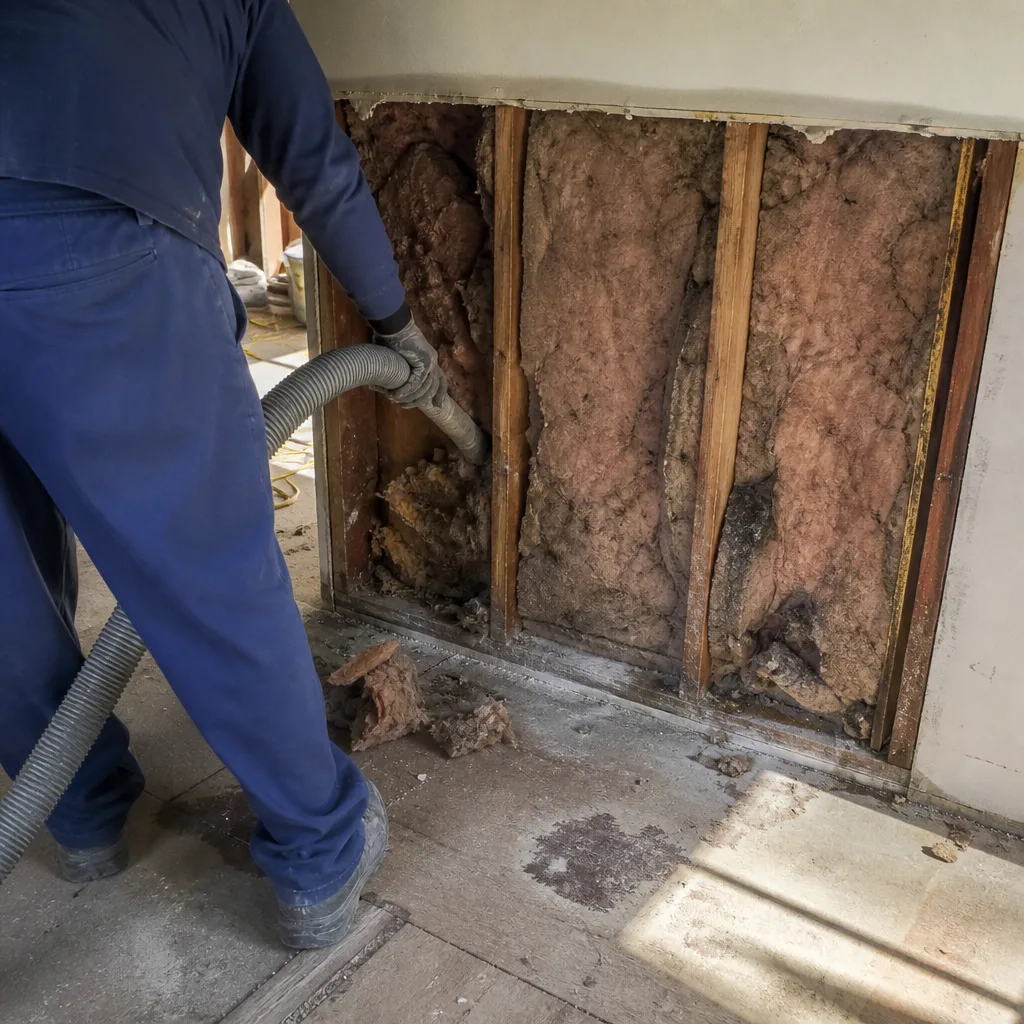
Insulation removal is necessary when existing material is contaminated by rodent waste, water-damaged, or compressed below 50% of original thickness. In Palmdale, we see this most often in homes near the Antelope Valley California Poppy Reserve where rodent pressure is higher, and in pre-1990 construction where original fiberglass has settled significantly. A visual inspection from the attic hatch can identify contamination or compression, but a full assessment requires walking the attic floor. We include photo documentation of existing conditions in every estimate so you can see what we see.
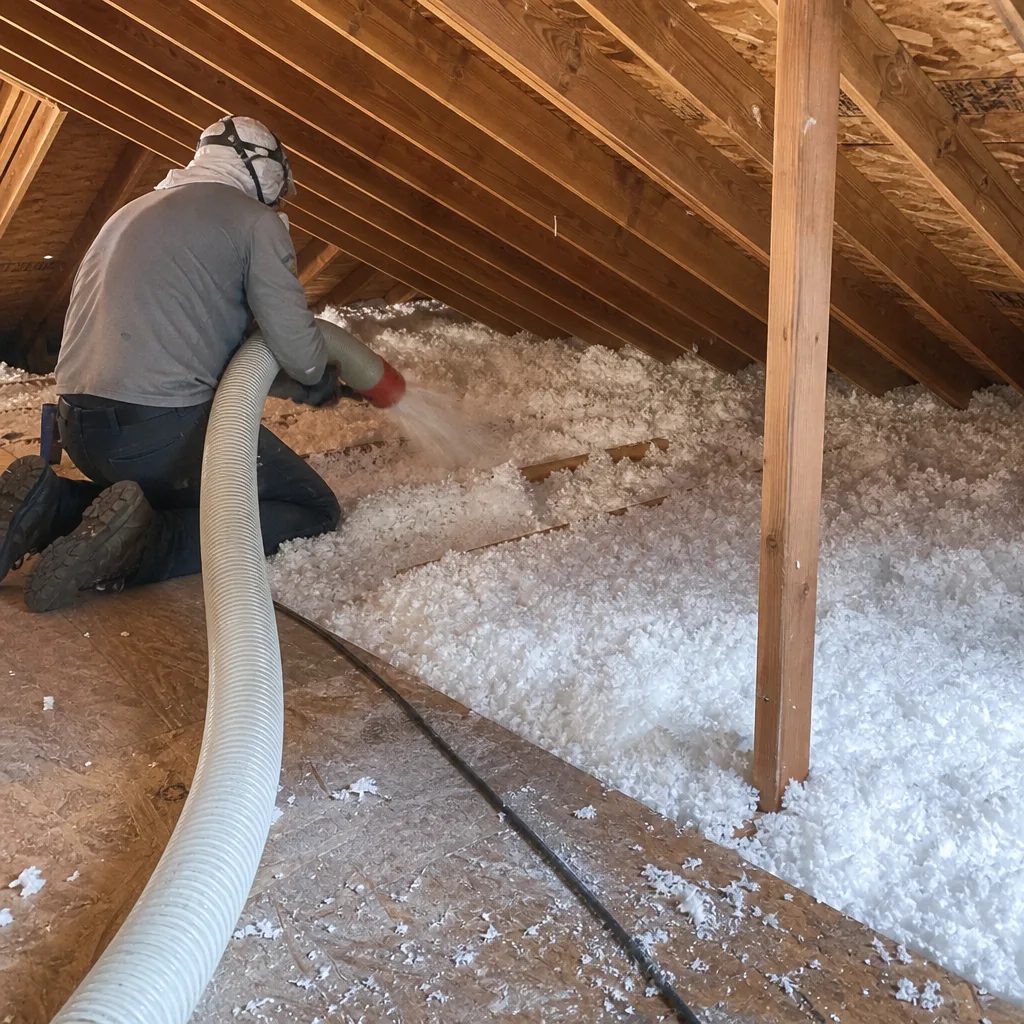
Blown-in fiberglass or cellulose is installed loose on the attic floor, cost-effective for vented attics, and works well when air sealing is performed first. Spray foam is applied as a liquid that expands to fill cavities, creates its own air barrier, and is typically used at roof lines for unvented attics or in specific wall applications. In Palmdale’s hot climate, spray foam at the roof line can reduce duct losses when HVAC equipment is in the attic, but it costs 2-3 times more per square foot than blown-in. The right choice depends on your home’s configuration, not on which material the contractor prefers to sell.
Loose-fill insulation requires specialized blowing equipment and proper respiratory protection; fiberglass and mineral wool irritate skin and lungs, and cellulose dust is combustible in confined concentrations. More critically, most homeowners cannot identify top plate locations, can light housings, or combustion safety clearance requirements without training. In California, insulation in contact with recessed lighting requires IC-rated fixtures or proper clearance; getting this wrong creates fire risk. We recommend professional installation for any job involving attic work, and we provide a written price so you can compare against the true cost of DIY equipment rental, material, and your time.
A typical attic insulation job in a Palmdale home of 2,000 square feet takes one to two days: half a day for air sealing and blower-door testing, and a half to full day for insulation installation, cleanup, and final documentation. Jobs requiring insulation removal, rodent proofing, or extensive crawl space work may extend to three days. We specify duration in the written scope before work starts, and we text when your technician is on the way so you’re not waiting on an arrival window.
Bring us the competing quote. Under our Free Second Opinion on Any Written Estimate, we will read it with you line by line and identify what is specified, what is omitted, and what questions you should ask the original contractor before signing. We have done this for hundreds of Palmdale homeowners since 2016, and we do not pressure you to switch. The goal is that you understand what you’re buying, regardless of who you hire.
The Bottom Line
Hiring an insulation contractor in Palmdale is not about finding the lowest bid. It is about reading the quote well enough to know what performance you’re actually buying. Verify the CSLB C-2 license. Demand six specific line items on every estimate. Ask for blower-door documentation, not promises. Interview with technical questions that reveal whether the contractor understands your building or just their sales script. And never sign a contract that lacks a written scope and written warranty before work begins. The contractor who resists this transparency is saving you from a costly mistake by showing you who they are.
Written by Wes Okafor, Owner at Topside Attic Insulation Palmdale, serving Palmdale since 2016.