
Last updated September 24, 2026
Insulation Cost Breakdown: The Palmdale Homeowner’s Reference for 2026
A Palmdale attic insulation quote for $2,800 and one for $4,400 can both be fair prices for the work each contractor actually intends to do. The problem is that neither quote, as typically written, tells the homeowner what that work actually is. We’ve reviewed thousands of proposals across the Antelope Valley since 2016, and the single biggest source of buyer’s remorse is the same every time: a homeowner compared two bottom-line numbers without understanding that one included air sealing, proper density, and old-material removal while the other assumed a clean attic and simply added insulation on top of whatever was already there. This guide deconstructs every line item so you can compare apples to apples, understand what Palmdale’s climate and code requirements mean for your specific home, and recognize when a quote is missing something you’ll pay for later.
Quick Answer
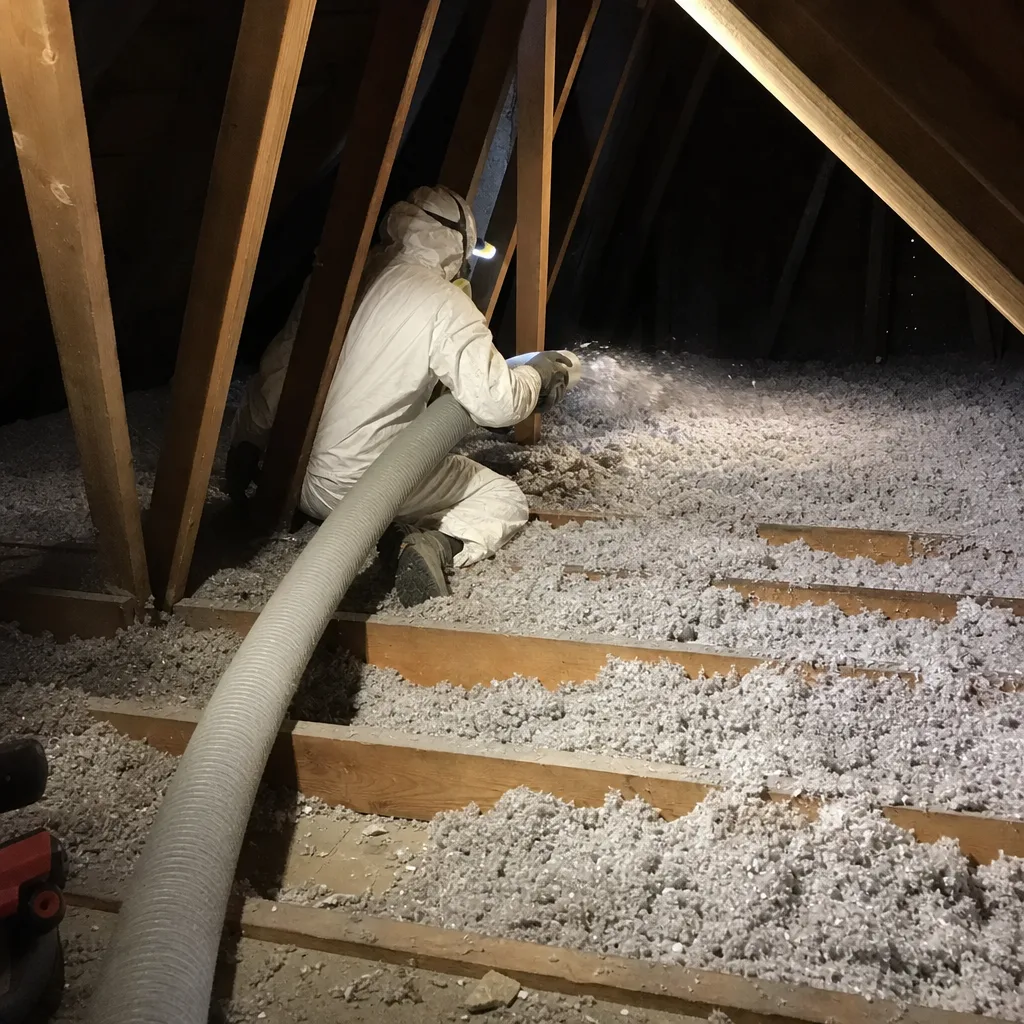
Most complete attic insulation jobs in Palmdale run between $2.80 and $5.40 per square foot installed in 2026, with the final price determined by insulation type, whether old material must be removed first, and whether air sealing is priced separately or bundled in. A typical 1,200-square-foot attic with removal, air sealing, and new blown fiberglass at R-38 generally totals $3,400-$4,800. Spray foam applications range from $4.50-$7.20 per square foot depending on open-cell versus closed-cell formulation and thickness.
Table of Contents
- Why Palmdale Insulation Quotes Vary by 60% for the Same Scope
- 2026 Cost Ranges by Material Type: Installed Price Per Square Foot
- What Air Sealing Actually Costs as a Separate Line Item
- Pre-Job Conditions That Change Your Price: Removal, Access, and What’s Hidden
- Incentives and Rebates Available to Palmdale Homeowners in 2026
- Cost Per Verified Performance Unit: Comparing Proposals With Blower-Door Numbers
- How Palmdale’s Climate and Building Code Affect Your Insulation Choices
- How to Read an Insulation Quote: Seven Line Items to Verify
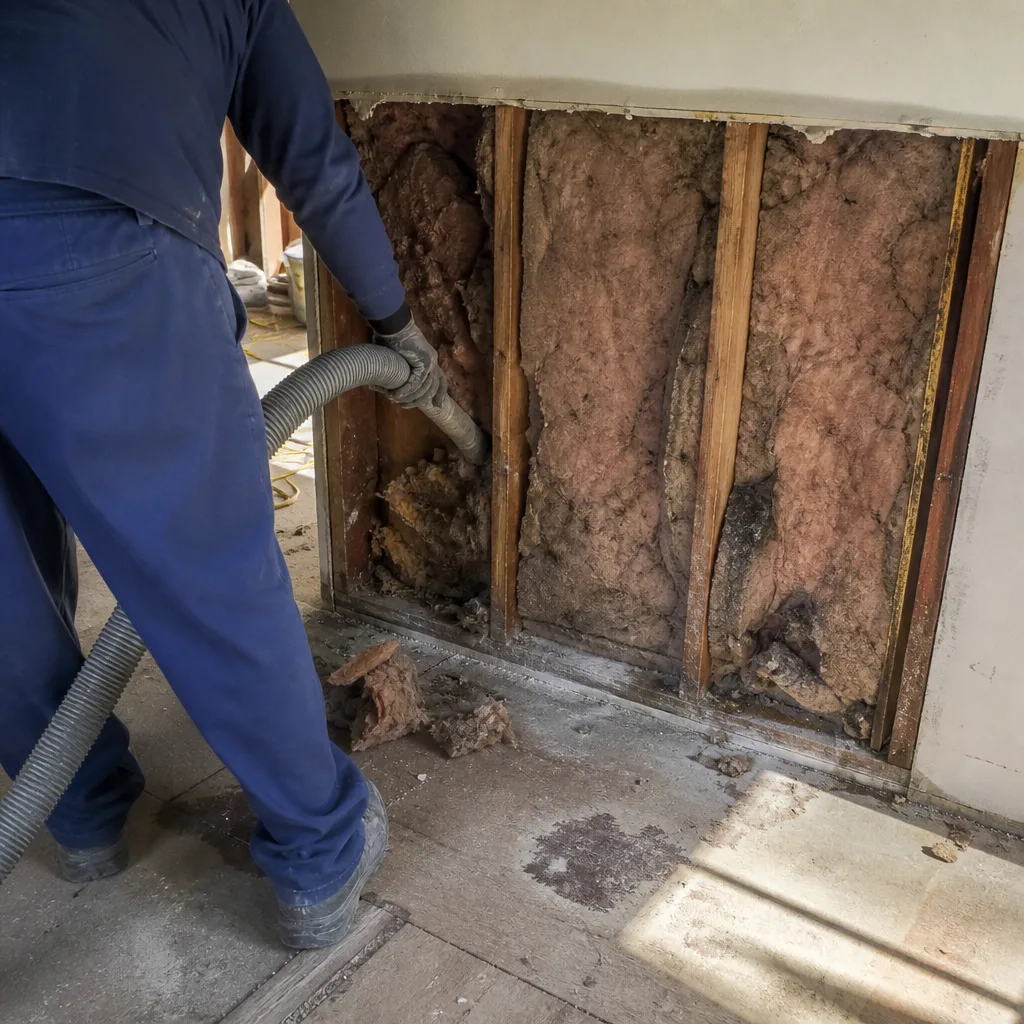 Before
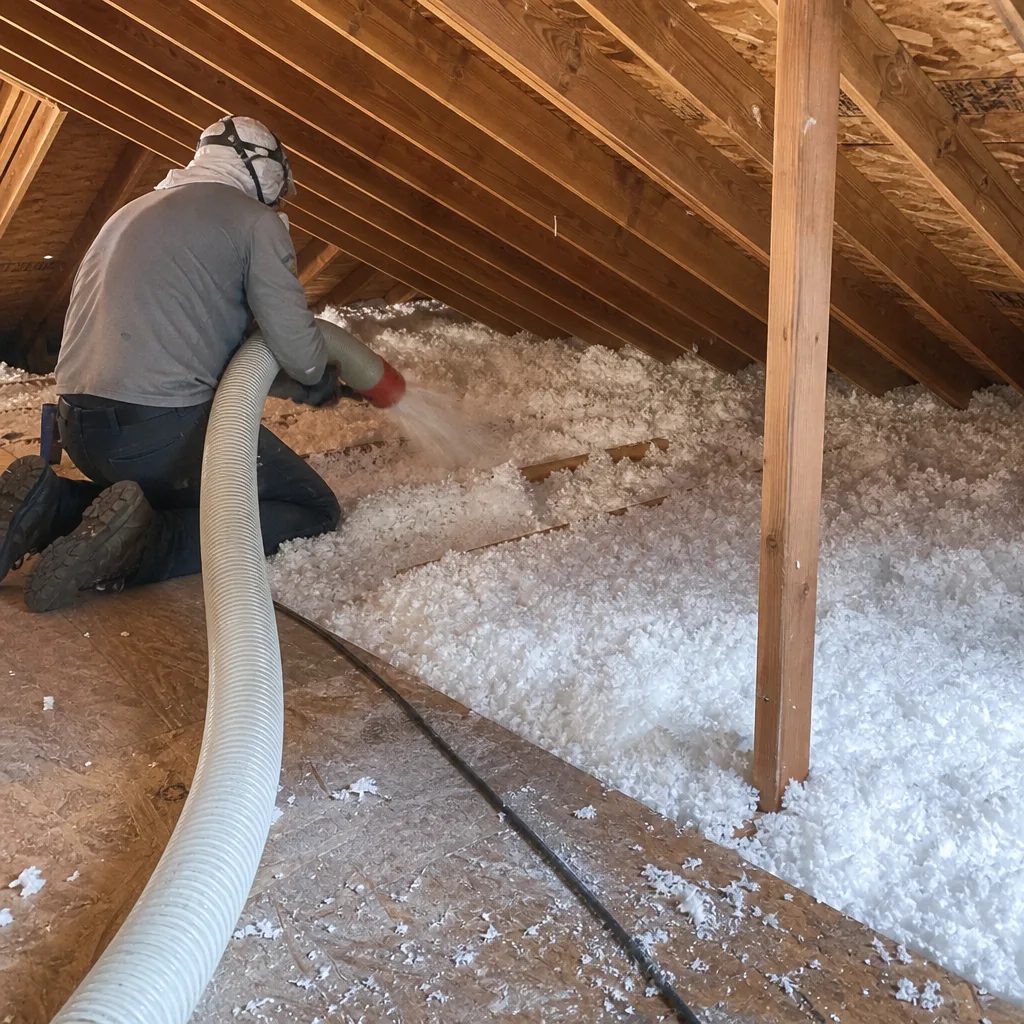 After
AfterWhy Palmdale Insulation Quotes Vary by 60% for the Same Scope
The 60% spread we see on comparable Palmdale homes comes down to three variables that rarely appear on the front page of a proposal: installed density, air sealing scope, and regional material costs that shifted significantly between 2023 and 2026.
Installed density is the weight of blown insulation per square foot at a given R-value. A contractor quoting blown fiberglass at 0.5 pounds per square foot for R-38 is using less material than one quoting 0.65 pounds per square foot. Both can claim “R-38,” but the lower-density install settles faster and performs below rating within two to three years. In Palmdale’s high-desert climate, with daily temperature swings of 30-40 degrees common from spring through fall, that settlement gap translates directly to higher HVAC run times.
Air sealing bundling is the second major variable. Some contractors fold air sealing into a per-square-foot insulation price, which makes the insulation line look higher but eliminates a separate charge. Others quote insulation and air sealing as separate items, which looks more transparent but can obscure whether the sealing scope is adequate. A third group, unfortunately, omits air sealing entirely and simply blows new insulation over an unsealed attic floor. In our experience across Palmdale neighborhoods from Rancho Vista to Quartz Hill-adjacent areas, that last approach is the most common source of callback complaints: the insulation is new, but the conditioned air still escapes through the same top plates, can light penetrations, and duct chases it always did.
Material cost shifts between 2023 and 2026 have been substantial for petroleum-derived products. Closed-cell spray foam, which uses isocyanate resins, saw price increases of 18-24% as supply chains adjusted. Fiberglass, being silica-based, was more stable but still rose 8-12% due to binder chemistry costs. Cellulose, manufactured from recycled paper with borate fire retardant, tracked closer to paper commodity prices and remained the most price-stable option. These shifts mean a 2023 quote reference from a neighbor or online forum is not a reliable benchmark for 2026 pricing in Palmdale.
Our approach at Topside Attic Insulation Palmdale home is to itemize every component: insulation type and density, air sealing labor hours and materials, removal scope if applicable, and blower-door testing before and after. Under Haven Standard Clause 1, you get a written price before any work starts - flat, with no additions once the crew is on site.
2026 Cost Ranges by Material Type: Installed Price Per Square Foot
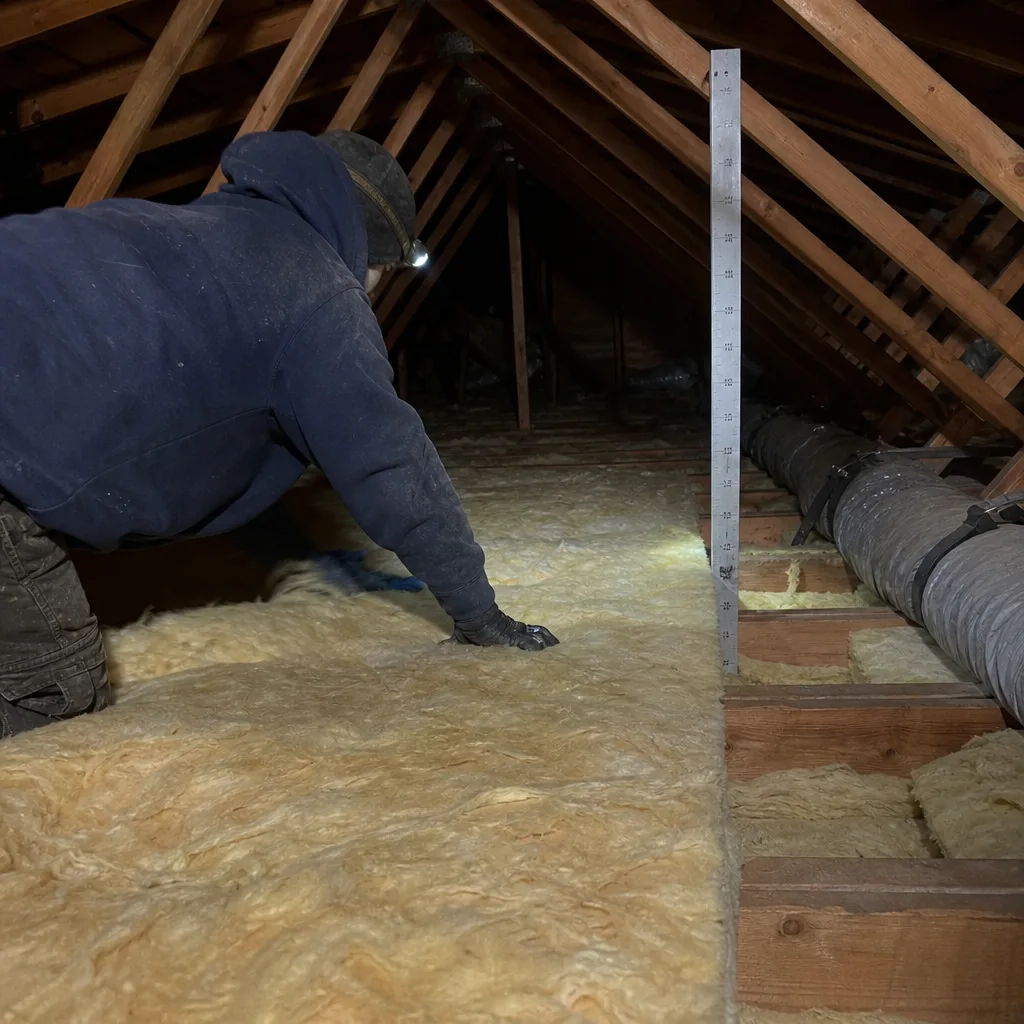
These ranges reflect what we’re seeing in the Palmdale market for completed jobs in 2026, including labor, material, and basic setup. They assume standard attic access, no removal of existing material, and air priced separately. Your specific home may fall outside these ranges based on access difficulty, square footage, or pre-existing conditions.
| Material | Installed Density / Thickness | Price Per Sq Ft (2026 Palmdale) | Typical Application |
|---|---|---|---|
| Blown fiberglass (Owens Corning, Johns Manville, CertainTeed) | 0.55-0.65 lbs/sq ft at R-38 | $1.80-$2.60 | Attic floor retrofit, most common in Palmdale |
| Blown cellulose (GreenFiber, others) | 1.1-1.3 lbs/sq ft at R-38 | $1.60-$2.40 | Attic floor, wall cavity dense-pack |
| Fiberglass batts (Knauf, Owens Corning) | R-30 to R-38, friction-fit or faced | $1.40-$2.20 | Wall cavities, knee walls, accessible joist bays |
| Open-cell spray foam (Icynene, Demilec) | 3.5-5.5 inches (R-13 to R-22) | $3.20-$4.80 | Roof decks, unvented attics, sound control |
| Closed-cell spray foam (Demilec, others) | 2-3 inches (R-12 to R-21) | $4.50-$7.20 | Rim joists, crawl spaces, moisture-critical areas |
| Radiant barrier (foil or reflective) | Applied to roof deck or rafters | $0.90-$1.60 | Supplement to insulation in high-solar-gain Palmdale homes |
These prices assume the attic is accessible via standard hatch or pull-down stairs, with at least 4 feet of clearance at the ridge. Low-clearance attics - common in Palmdale’s 1980s-1990s tract construction, particularly in the Anaverde and Palmdale East areas - add 10-20% to labor due to restricted movement and specialized equipment needs.
Density assumptions matter. We specify installed density on every quote because we’ve seen competitors in the Antelope Valley quote R-38 at densities that settle to R-30 within 36 months. Our Attic Insulation in Palmdale page details how we verify density in the field.
What Air Sealing Actually Costs as a Separate Line Item
Air sealing is the work that happens before insulation goes in: finding and closing the pathways where conditioned air escapes from your living space into the attic, walls, or crawl space. In Palmdale, where summer attic temperatures regularly exceed 140°F and winter nights drop below freezing, these pathways are the dominant source of energy loss in most homes built before 2010.
We never blow insulation over an unsealed attic floor. The Haven Standard requires it, and our blower-door numbers prove why: a typical Palmdale home from the 1990s reads 3,500-5,000 CFM50 before sealing and 2,000-2,800 after. That reduction - measured in cubic feet per minute at 50 Pascals of pressure - represents conditioned air you’re no longer heating and cooling for no benefit.
Here’s what air sealing costs when priced transparently:
| Component | Scope | Typical Cost (2026 Palmdale) |
|---|---|---|
| Top plate sealing | Seal all wall-to-attic junctions with caulk or foam | $180-$320 |
| Can light / fixture sealing | Seal or cover recessed lights, fan housings, electrical boxes | $85-$150 per fixture |
| Duct chase / penetration sealing | Seal around plumbing stacks, HVAC ducts, wiring penetrations | $120-$260 |
| Attic access sealing | Dam and weatherstrip hatch or pull-down stairs | $140-$220 |
| Rim joist sealing (basement/crawl) | Seal sill plate and rim joist with foam or caulk | $280-$480 |
| Blower-door guided sealing (full scope) | Systematic sealing with real-time leakage detection | $650-$1,200 |
A complete attic air sealing package for a 1,500-square-foot Palmdale home typically runs $850-$1,400 in labor and materials. When a contractor bundles this into a per-square-foot insulation price, the insulation line item rises by roughly $0.70-$1.10 per square foot. Neither approach is inherently wrong, but you need to know which one you’re looking at to compare quotes fairly.
Red flags we see in Palmdale proposals: “includes basic air sealing” with no itemization, or no mention of air sealing at all. If your quote doesn’t specify what was sealed and how it was verified, you’re likely getting insulation without the performance improvement you’re paying for.
Pre-Job Conditions That Change Your Price: Removal, Access, and What’s Hidden
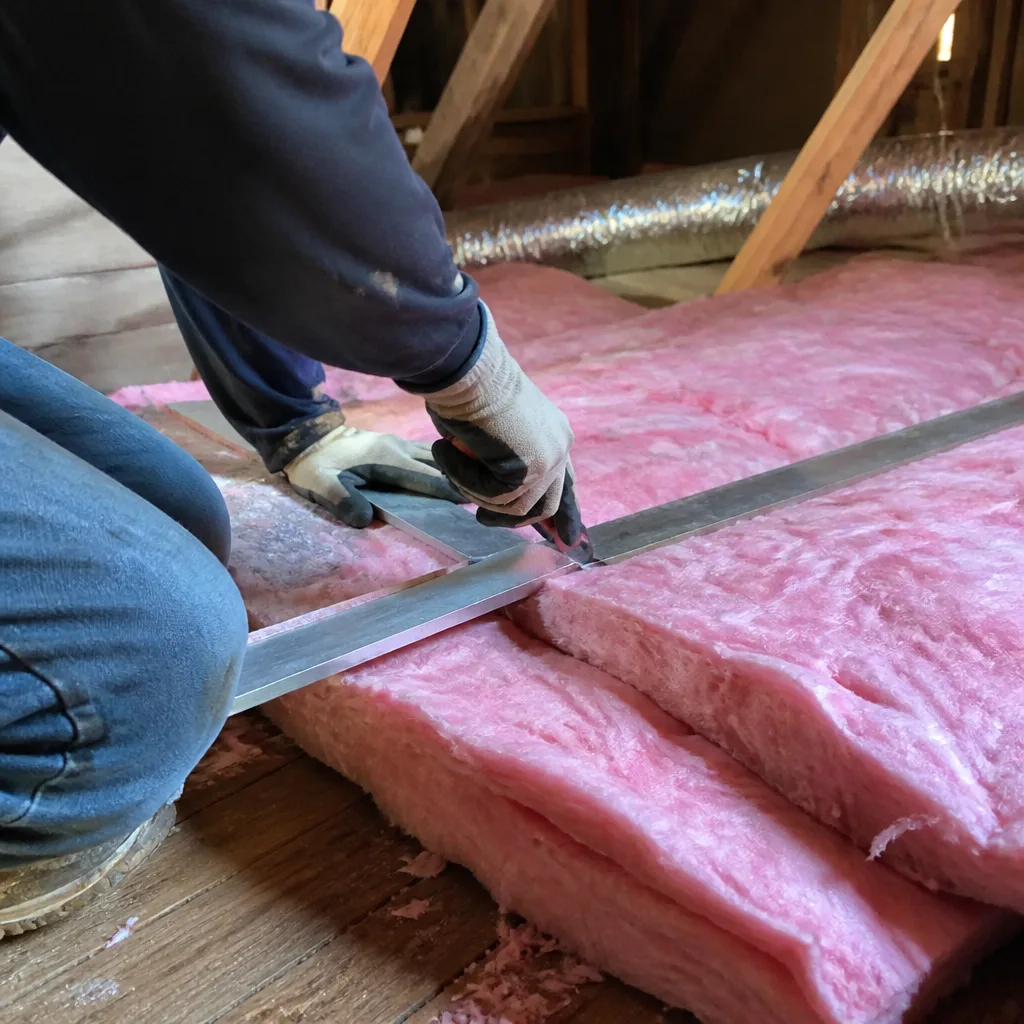
The condition of your existing insulation and attic space is the single biggest variable that turns a $3,000 job into a $5,500 job. These costs are frequently omitted from initial quotes, either because the contractor hasn’t inspected the space or because they’re hoping to add them later.
Old insulation removal runs $0.15-$0.35 per square foot in Palmdale, with the range determined by material type and contamination level. Blown fiberglass or cellulose vacuums out relatively cleanly. Old batts, especially if they’ve been compressed by storage or walked on, require more labor. Insulation contaminated by rodent activity - common in Palmdale’s desert-edge neighborhoods where pack rats and roof rats are active - requires protective protocols and disposal procedures that push removal toward the top of that range.
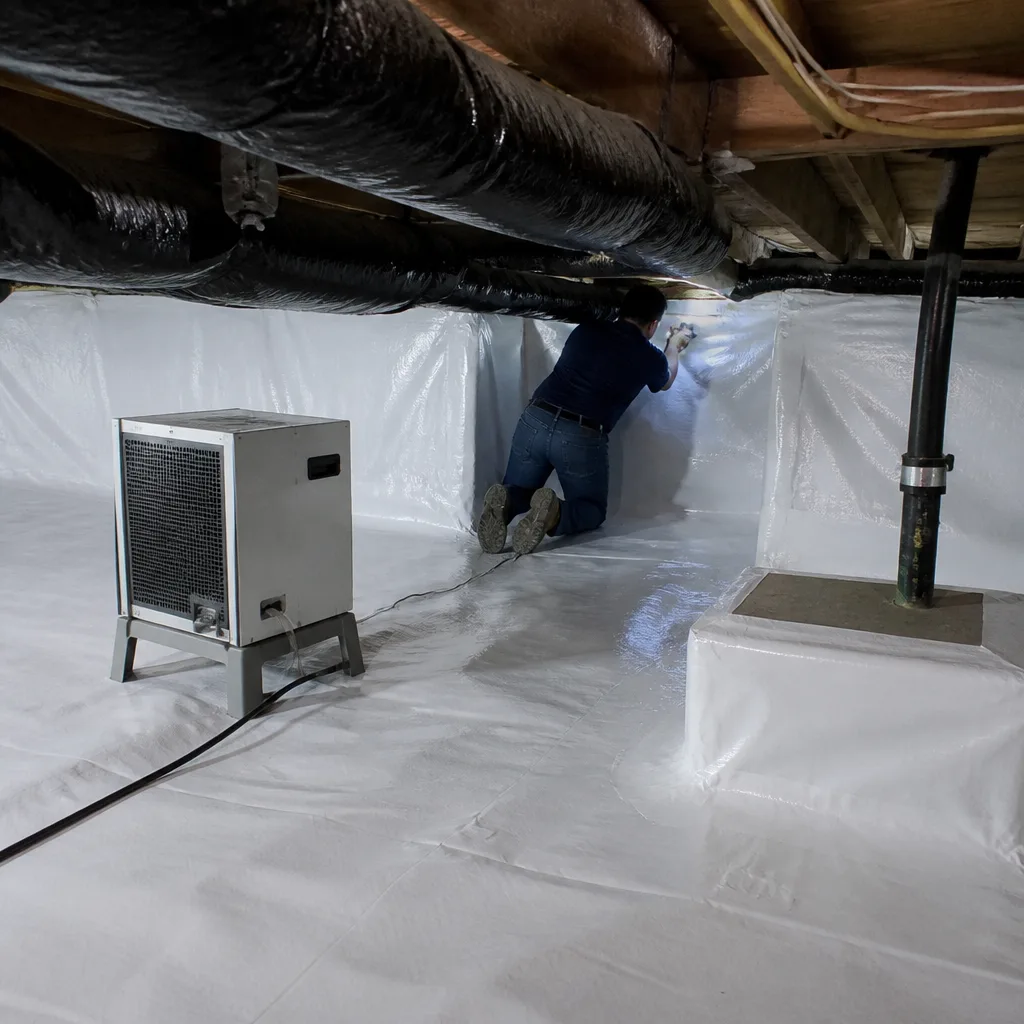
We include a photo assessment in our initial site visit, and every job closes with a Crawl Space Encapsulation & Vapor Barrier in Palmdale or attic Documented Photo Record so you can verify what was there and what replaced it.
Access limitations add labor hours quickly. A standard pull-down stair or scuttle hole allows efficient material transport. A small hatch in a closet, or an attic with less than 3 feet of clearance at the eaves, requires alternative equipment and more time. In West Palmdale’s newer construction, truss designs with raised-heel energy heels improve access but also increase the square footage of attic floor to treat.
Hidden conditions we encounter regularly in Palmdale:
- Ventilation deficiencies: blocked or missing soffit vents that must be cleared or added before insulation can be installed properly. Cost: $45-$85 per vent location.
- Electrical hazards: exposed junction boxes, outdated knob-and-tube wiring, or DIY modifications that must be addressed before insulation contact. We flag these for licensed electrician referral; we do not perform electrical work.
- Structural issues: sagging joists, water-stained decking from past roof leaks, or inadequate framing for the load of additional insulation. These require repair before insulation installation.
- Active rodent infestations: droppings, nesting material, or entry pathways that must be sealed and cleaned before new insulation goes in. Our attic cleaning and rodent proofing service addresses this systematically.
A contractor who quotes without seeing your attic cannot know which of these conditions apply. Under Haven Standard, we provide a written price only after inspection, so the scope is complete and the price is flat.
Incentives and Rebates Available to Palmdale Homeowners in 2026
Several programs currently reduce the net cost of insulation work in Palmdale, but each has specific documentation requirements that must be met at the time of installation. Retroactive claims are generally denied.
IRA Section 25C Tax Credit (Federal)
The Inflation Reduction Act’s Energy Efficient Home Improvement Credit covers 30% of insulation material costs, up to $1,200 per year. Key details for 2026:
- Credit applies to materials only, not labor. Your contractor must itemize materials separately on the invoice for the claim to be valid.
- Products must meet ENERGY STAR or equivalent performance standards. We source materials from Owens Corning, Johns Manville, Knauf, Rockwool, CertainTeed, Icynene, Demilec, and GreenFiber - all qualifying manufacturers.
- Installation must be completed in the tax year claimed. The credit is non-refundable but can offset tax liability.
- Documentation required: itemized invoice showing product costs, manufacturer certification statement (we provide this), and IRS Form 5695.
Southern California Edison (SCE) Rebates
SCE offers insulation rebates for electrically heated homes, with amounts varying by baseline efficiency and improvement magnitude. In 2026, typical attic insulation rebates range from $200-$600 for qualifying projects. Requirements include:
- Pre- and post-installation inspection by a program-approved contractor or HERS rater
- Minimum R-value improvement specified by program guidelines
- Application submitted within 90 days of installation completion
SoCalGas Rebates
For homes with gas heating, SoCalGas maintains a separate rebate stream for envelope improvements. Attic insulation rebates typically run $150-$400 depending on existing conditions and improvement scope. The program requires:
- Pre-installation assessment documenting existing R-value
- Post-installation verification of installed R-value and coverage completeness
- Contractor participation in the program network (we are a registered participant)
Local and Utility Stacking
In most cases, federal tax credits can be combined with utility rebates, but utility rebates generally cannot be stacked with each other (SCE and SoCalGas rebates are mutually exclusive based on your primary heating fuel). We calculate your optimal incentive stack during our estimate and provide the documentation package required for each program.
Important: rebate programs change. The figures here reflect 2026 program structures as of publication. We verify current availability before every job and include applicable incentives in your written price so you know your net cost before work begins.
Cost Per Verified Performance Unit: Comparing Proposals With Blower-Door Numbers
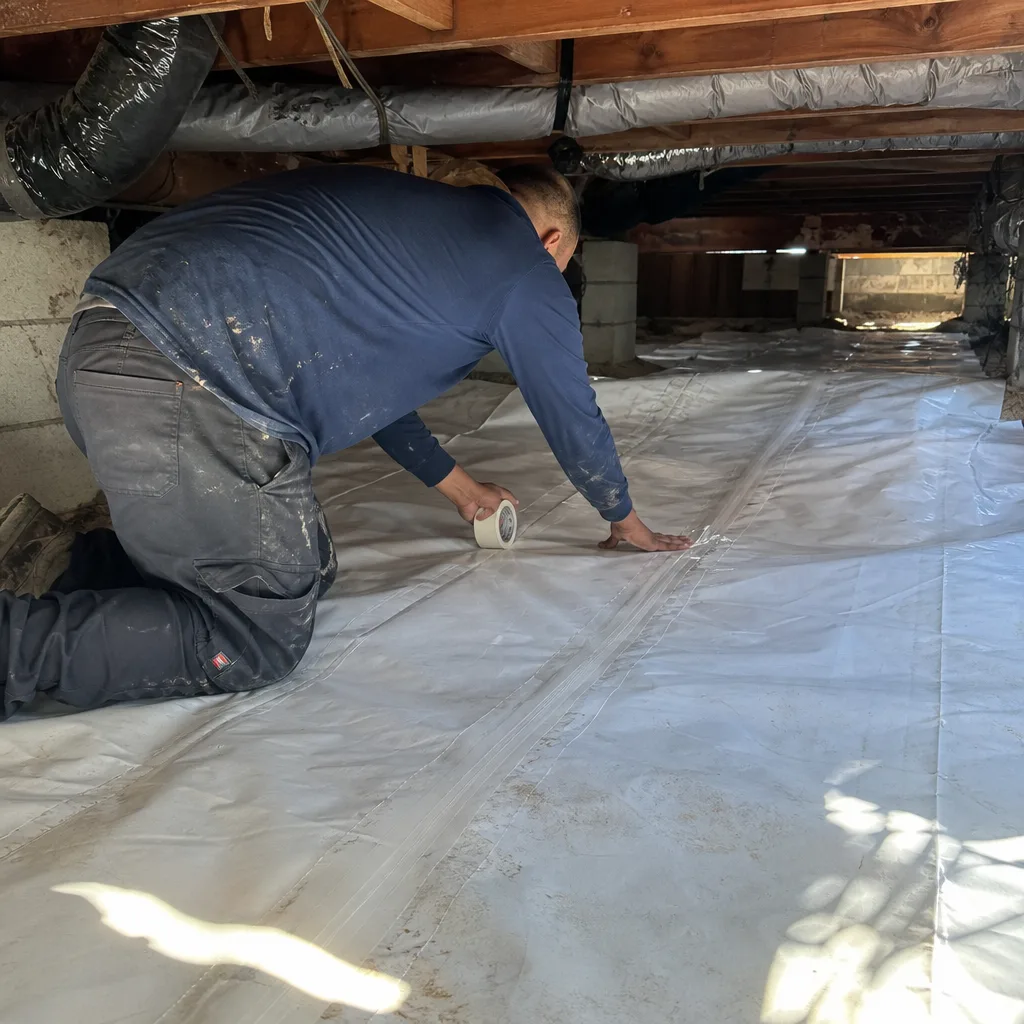
Most insulation quotes ask you to trust that the work will improve your home’s efficiency. A proposal with blower-door numbers gives you a way to verify that trust - and to compare the true value of competing bids.
A blower-door test is a pressurization reading that shows, in one number, how much air your building envelope is losing. The measurement is CFM50: cubic feet per minute of airflow required to maintain 50 Pascals of pressure difference between inside and outside. Lower is better. A typical Palmdale home from the 1980s or 1990s reads 3,500-5,500 CFM50 before work. After comprehensive air sealing and insulation, we typically see 1,800-2,800 CFM50.
The cost per ACH50 reduction is a framework we’ve developed to help homeowners compare proposals that include measured outcomes versus those that don’t. Here’s how to calculate it:
- Calculate your home’s volume in cubic feet (square footage times average ceiling height; typically 8 or 9 feet in Palmdale homes).
- Convert CFM50 to ACH50: multiply CFM50 by 60, then divide by home volume. This gives air changes per hour at 50 Pascals.
- Find the difference between pre-work ACH50 and projected or actual post-work ACH50.
- Divide total project cost by that ACH50 reduction.
Example: A 1,600-square-foot Palmdale home with 8-foot ceilings has 12,800 cubic feet of volume. Pre-work blower-door reading: 4,200 CFM50. That’s 19.7 ACH50. Post-work target: 2,400 CFM50, or 11.3 ACH50. Reduction: 8.4 ACH50. At a total project cost of $4,200, the cost per ACH50 reduction is $500.
What this tells you: a competitor quoting $3,200 with no blower-door testing, no air sealing scope, and no performance verification might look cheaper. But if their work achieves only a 3 ACH50 reduction because they skipped sealing, their effective cost per unit of performance is $1,067 - more than double.
We publish before-and-after blower-door numbers on every applicable job. It’s how we document that you got what you paid for. Our Spray Foam Insulation in Palmdale page shows how this applies to unvented attic conversions specifically.
How Palmdale’s Climate and Building Code Affect Your Insulation Choices
Palmdale sits at 2,655 feet elevation in the Mojave Desert’s western edge, which creates insulation requirements distinct from Los Angeles Basin homes at sea level. Understanding these local conditions prevents overspending on the wrong solutions or underspending on critical ones.
Climate Zone 15 under California’s Title 24 energy code covers Palmdale and the Antelope Valley. This high-desert zone has more heating degree days than cooling degree days annually, meaning winter heat loss is a slightly larger energy burden than summer heat gain - though both matter significantly. Title 24 prescribes minimum R-values for new construction and major renovations:
- Wood-framed attic: R-38 minimum (raised to R-49 in 2022 code cycle for new construction)
- Wood-framed wall: R-21 or equivalent continuous insulation
- Floor over unconditioned space: R-19
Existing homes are not required to meet current code unless undergoing substantial alteration, but these numbers represent the performance threshold where energy returns justify material costs in this climate.
Diurnal temperature swings of 30-40°F are common in Palmdale from March through November. This rapid cycling stresses insulation systems that rely on air sealing alone without adequate thermal resistance. A home with good air sealing but R-19 attic insulation will still experience significant heat flow on summer afternoons and winter predawns. We typically recommend R-38 as the practical minimum for Palmdale attics, with R-49 or higher for homeowners planning long-term occupancy.
Solar gain through roofing is extreme. Palmdale receives approximately 280 days of full sun annually, and dark asphalt shingles can reach 170°F surface temperatures in July. This makes radiant barrier consideration relevant for homes with dark roofs and limited attic ventilation. A radiant barrier reduces radiant heat transfer from roof deck to attic floor by 20-35%, which can justify its cost in homes where cooling loads dominate. It does not replace insulation; it supplements it.
Wind exposure in Palmdale’s western and northern areas, particularly near the foothills, creates pressure differentials that accelerate air leakage. Homes in these zones benefit disproportionately from comprehensive air sealing. We’ve measured 15-25% higher CFM50 readings in homes within a mile of the San Gabriel Mountains foothills compared to similar construction in more sheltered neighborhoods.
Local code enforcement in Palmdale requires permits for insulation work that involves structural modification, electrical box relocation, or changes to ventilation systems. Pure insulation retrofit over existing attic floors typically does not require permit, but we verify current requirements with the City of Palmdale Building Division before work begins and include permit costs in the written price when applicable.
How to Read an Insulation Quote: Seven Line Items to Verify
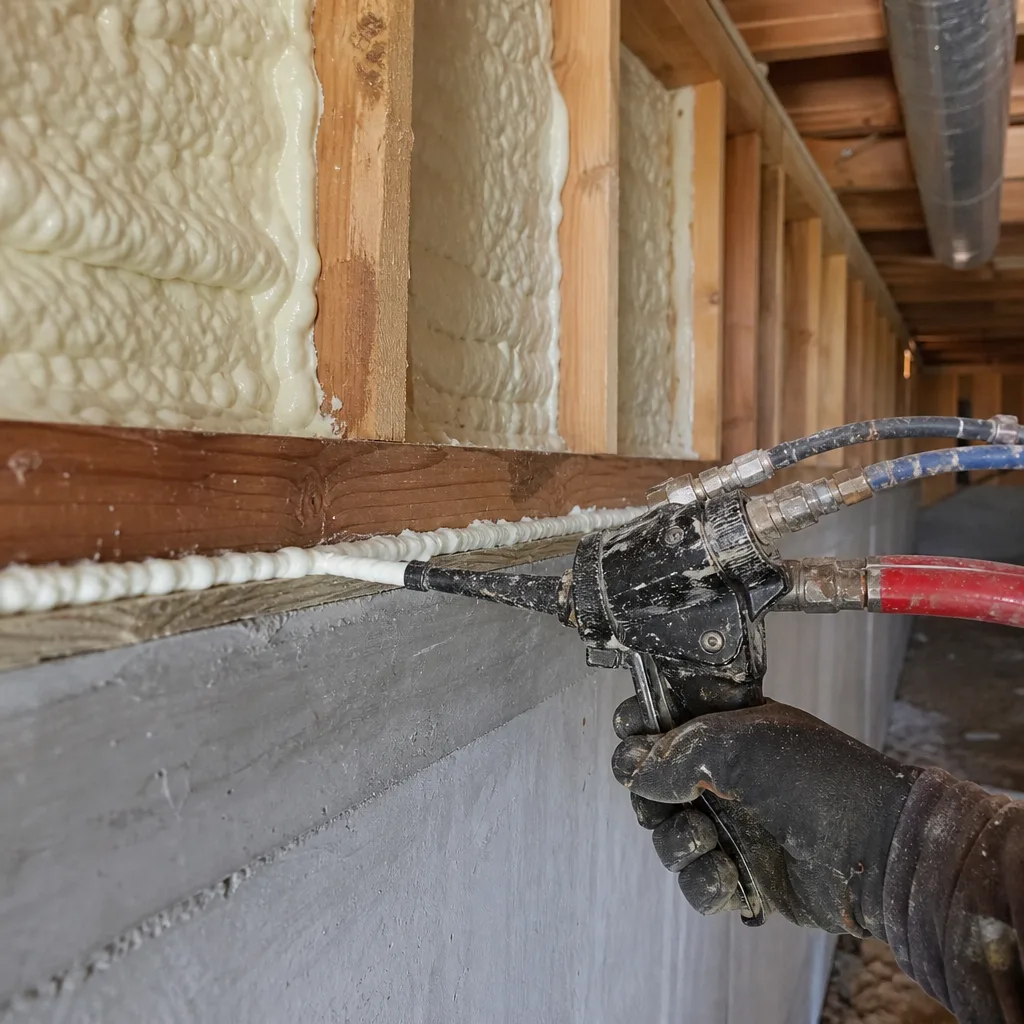
A properly detailed insulation quote should answer your questions before you ask them, and our more guides & resources can help you prepare. Here’s what to look for, and what to question if it’s missing.
- Insulation type and manufacturer. “Blown fiberglass” is insufficient. The quote should name the product (e.g., Owens Corning AttiCat, Johns Manville Climate Pro) and specify installed density or thickness. Vague language suggests the contractor hasn’t specified what they’ll actually install.
- Target R-value and coverage area. Verify that the R-value matches your climate zone needs and that the square footage matches your attic’s measured floor area, not a rough estimate. A 1,200-square-foot home may have 1,400 square feet of attic due to overhangs and garage connections.
- Air sealing scope, itemized. Look for specific components: top plates, can lights, penetrations, attic access. If air sealing appears as a single bundled line, ask for the labor-hour estimate and material specification. If it’s absent, ask why.
- Removal and disposal of existing material. If your attic currently has insulation, the quote should state whether it stays or goes, and what the removal and disposal cost is. “Dispose of old insulation” without a price is a placeholder for a future change order.
- Ventilation assessment and modifications. Proper attic ventilation prevents moisture accumulation and extends roof life. The quote should note whether existing vents are adequate or if additions are recommended, with prices.
- Pre- and post-work testing. Blower-door testing before and after is the only way to verify air sealing performance. If a contractor claims to do air sealing but doesn’t test, you have no way to know if it worked. We provide these numbers on every applicable job.
- Warranty terms and documentation. What do you receive when the crew leaves? A Haven Standard job delivers: written scope of work completed, written warranty terms, before-and-after blower-door report (if applicable), and Documented Photo Record of the completed work. Anything less is incomplete.
We’ve provided Free Second Opinions on written estimates from other Palmdale contractors since 2016. Bring us any quote; we’ll read it with you and identify what’s specified, what’s assumed, and what’s missing.
Common Mistakes to Avoid
- Comparing only total price without verifying scope. A $2,800 quote for insulation-only and a $4,200 quote for insulation plus air sealing are not comparable services. Break both into line items before deciding.
- Adding insulation over unsealed air leaks. This is the most common error we correct in Palmdale homes. New insulation over old leaks performs poorly and can mask moisture problems that worsen over time.
- Ignoring installed density in blown insulation quotes. A contractor quoting R-38 at 0.4 lbs/sq ft of fiberglass is not delivering the same product as one quoting 0.65 lbs/sq ft. Ask for the density specification in writing.
- Skipping removal of contaminated insulation. Rodent-contaminated insulation left in place continues to affect indoor air quality. The removal cost is significant, but leaving it is worse for long-term health and resale value.
- Assuming all spray foam is equivalent. Open-cell and closed-cell foams have different R-values per inch, moisture permeability, and structural characteristics. A quote saying “spray foam” without specifying type and thickness is incomplete.
- Missing rebate documentation deadlines. SCE and SoCalGas rebates require application within 90 days of installation. We handle this paperwork as part of our standard process, but if you’re managing your own claim, calendar the deadline.
- Choosing R-value alone without considering air leakage. In Palmdale’s windy, high-swing climate, a well-sealed R-30 attic outperforms a leaky R-44. The blower-door number matters as much as the insulation rating.
When to Call a Professional
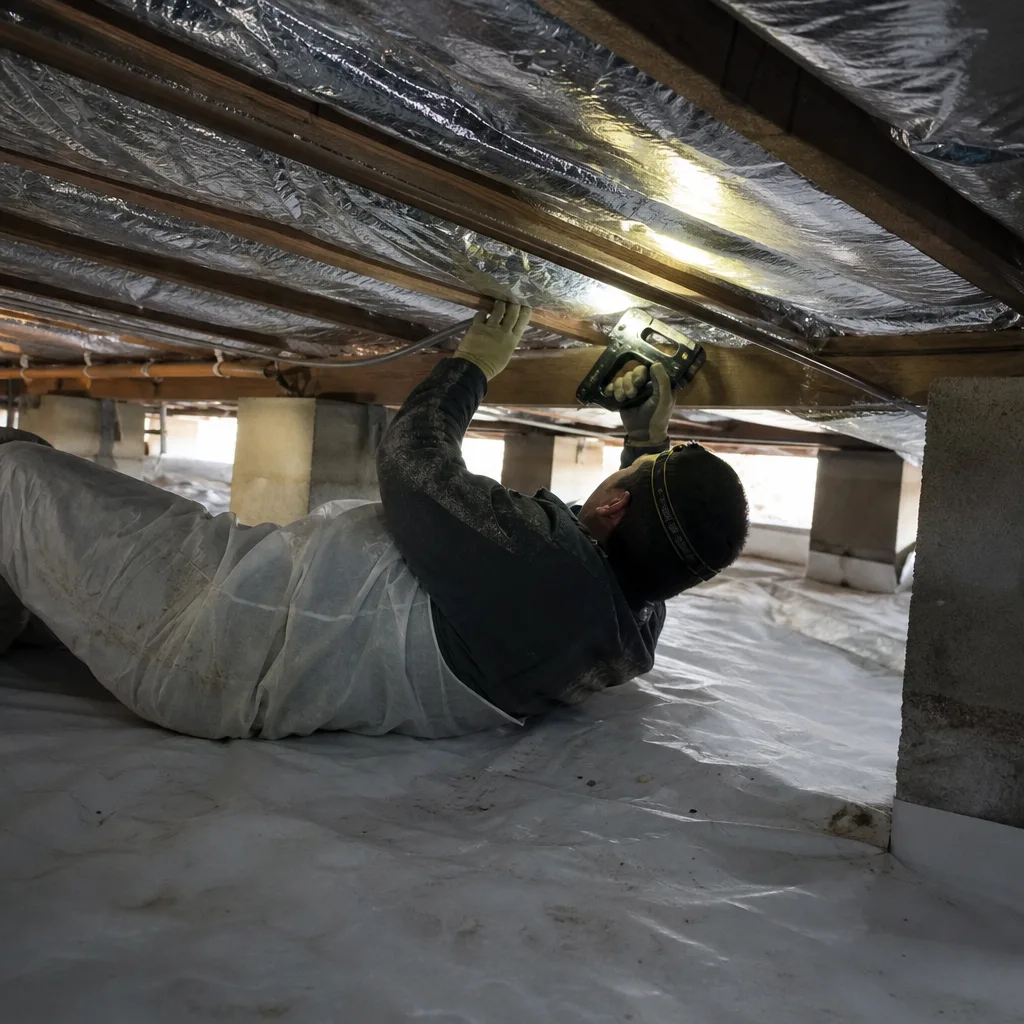
Call for an assessment when your energy bills are rising without rate increases, when rooms have persistent temperature differences of more than 4°F from the thermostat reading, or when you’re planning to replace HVAC equipment and want to right-size the new system to an improved envelope. Also call before finishing an attic or adding storage flooring; insulation decisions made after structural changes are always more expensive.
If you’ve received a quote that seems incomplete, or you’re trying to compare proposals with different structures, we offer a Free Second Opinion on any written estimate. We’ll read it with you, identify the line items, and explain what each means for your specific Palmdale home.
Topside Attic Insulation Palmdale offers free estimates in Palmdale - call (661) 403-4467. A live person answers 24/7, and every job begins with a written price before any work starts. That’s Haven Standard Clause 1.
Frequently Asked Questions
Most complete attic insulation jobs in Palmdale run $2.80-$5.40 per square foot installed, with a typical 1,200-square-foot attic totaling $3,400-$4,800 including removal, air sealing, and new blown fiberglass at R-38. The final price depends on insulation type, whether old material must be removed, and whether air sealing is priced separately or bundled. Call (661) 403-4467 for a written estimate on your specific home - estimates are free.
Repair is rarely cost-effective for attic insulation. Spot-adding insulation over old, settled, or contaminated material creates density inconsistencies and can trap moisture. Complete removal and replacement with verified density and comprehensive air sealing delivers measurable performance that patchwork cannot. In our experience across Palmdale, homeowners who choose full replacement see utility reductions of 15-30% versus 5-10% for spot repairs. Call (661) 403-4467 and we’ll assess your specific attic condition.
No, and you should be wary of any contractor who offers same-day installation without a detailed attic inspection. Proper quoting requires measuring square footage, assessing existing conditions, identifying air leakage pathways, and specifying materials. Under Haven Standard, we provide a written price only after inspection so the scope is complete and accurate. Most Palmdale jobs are scheduled within 3-7 business days of quote acceptance.
Quotes vary because contractors are often pricing different scopes: different installed densities, different air sealing approaches, and different assumptions about removal needs. A $2,800 quote and a $4,400 quote for the same Palmdale home can both be fair if the work described is actually different. The problem is that most quotes don’t describe the work clearly enough for you to tell. We itemize every component so you can compare apples to apples.
Three programs currently apply: the federal IRA Section 25C tax credit (30% of material costs, up to $1,200 annually), SCE rebates for electrically heated homes ($200-$600 typical), and SoCalGas rebates for gas-heated homes ($150-$400 typical). Each requires specific documentation at installation; retroactive claims are generally denied. We calculate your optimal incentive stack and provide the required documentation package as part of every job.
Demand before-and-after blower-door numbers. A blower-door test - a pressurization reading showing how much air your home loses - is the only objective verification. We publish these numbers on every applicable job: a typical Palmdale home reads 3,500-5,000 CFM50 before sealing and 2,000-2,800 after. If your contractor can’t show you the number, you can’t know if the work was effective.
The Bottom Line
Insulation cost in Palmdale is not a single number - it’s a function of material type, installed density, air sealing scope, pre-existing conditions, and whether the quote you’re reading actually describes what’s being done. The 60% price spread we see on comparable homes reflects real differences in scope, not just contractor pricing variation. Your protection is in the details: itemized line items, specified densities, transparent air sealing costs, and verified performance through blower-door testing. Get these in writing before work starts, understand your incentive stack, and you’ll know whether you’re paying for insulation that performs or insulation that merely looks new.
Written by Wes Okafor, Owner at Topside Attic Insulation Palmdale, serving Palmdale since 2016.