
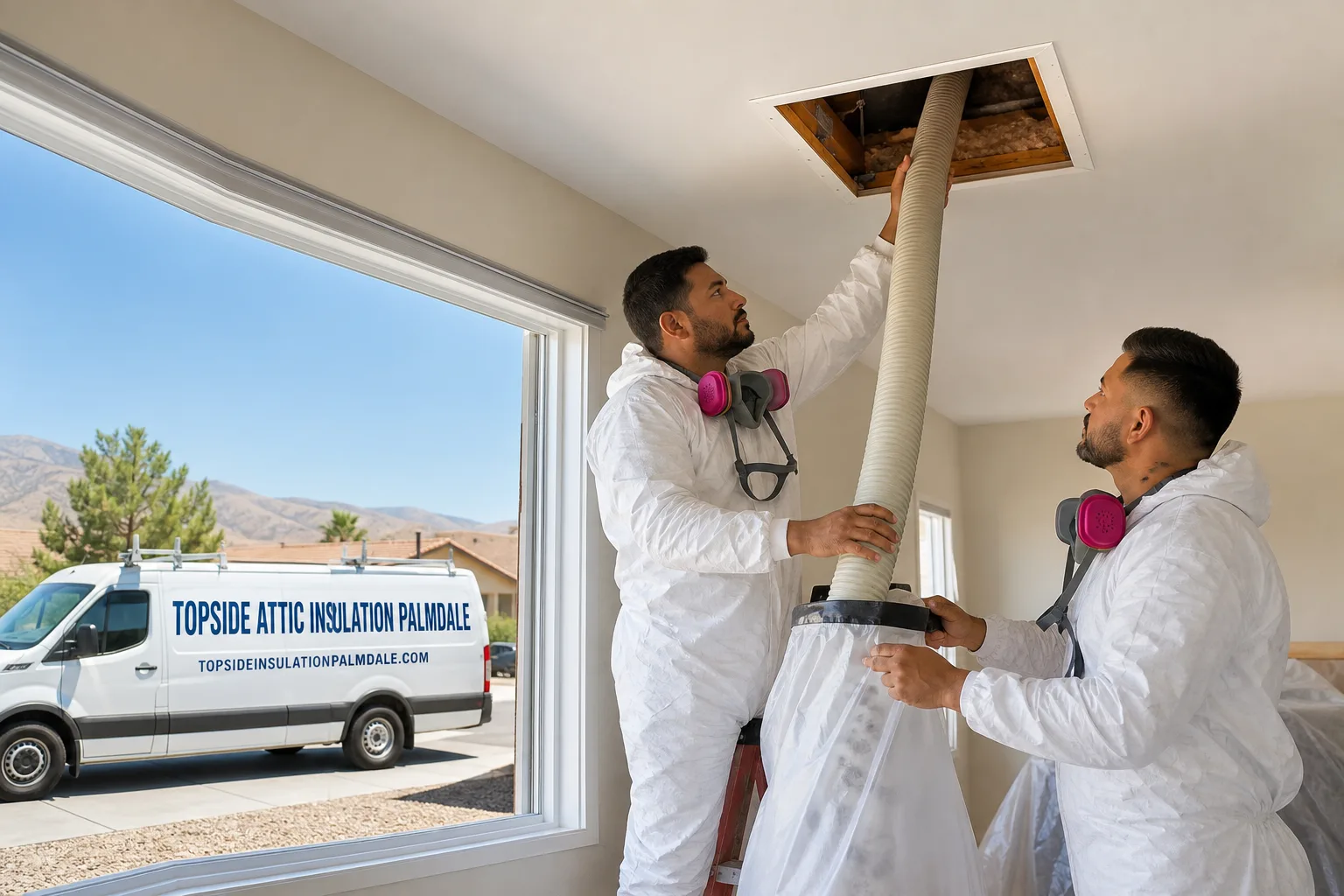
Fast, Reliable Blown-In Insulation Across Lancaster
Blown-in insulation in Lancaster, CA typically costs $1.80 to $3.20 per square foot of attic floor, with most complete attic jobs running $2,400-$4,800 for a standard single-story tract home and dense-pack wall insulation adding $1,200-$2,800 depending on cavity depth and access. We’re usually on-site in Lancaster within 24-48 hours of your call, and same-day starts are common for attic top-ups when the access is clear. Our crews know the Antelope Valley’s building stock from the pre-1960s ranch homes near Sierra Highway to the 1980s-90s stucco tracts that dominate the Avenue J through Avenue L corridor, and we dispatch from our Los Angeles office with Lancaster-specific material loads already on the truck. Call (661) 403-4467 for a written price before any work starts.
Why Topside Attic Insulation Palmdale Is Lancaster’s Preferred Blown-In Insulation Company
We’ve sealed and insulated more than 9,000 homes since 2016, and a significant share of them sit in Lancaster’s 93534, 93535, and 93536 ZIP codes. Homeowners here leave reviews that specifically mention the blower-door readings we leave behind - the documentation that proves the job worked, not just that it got done. Our response time to Lancaster averages same-day or next-day, which matters when your upstairs bedrooms are hitting 95°F in August or your furnace won’t stop running on a 28°F January night.
We know Lancaster’s housing stock cold. The 1988-1995 stucco tracts with low-slope roofs and minimal soffit ventilation. The older cinder-block construction near the original downtown core with zero original wall insulation. The split-levels and two-stories off 30th Street West where the Tehachapi wind finds every gap. That local knowledge changes what we quote, what we stock, and what we warn you about before we start. Our Blown-In Insulation team doesn’t guess at Antelope Valley conditions - we measure them, document them, and fix them.
Our Blown-In Insulation Services in Lancaster
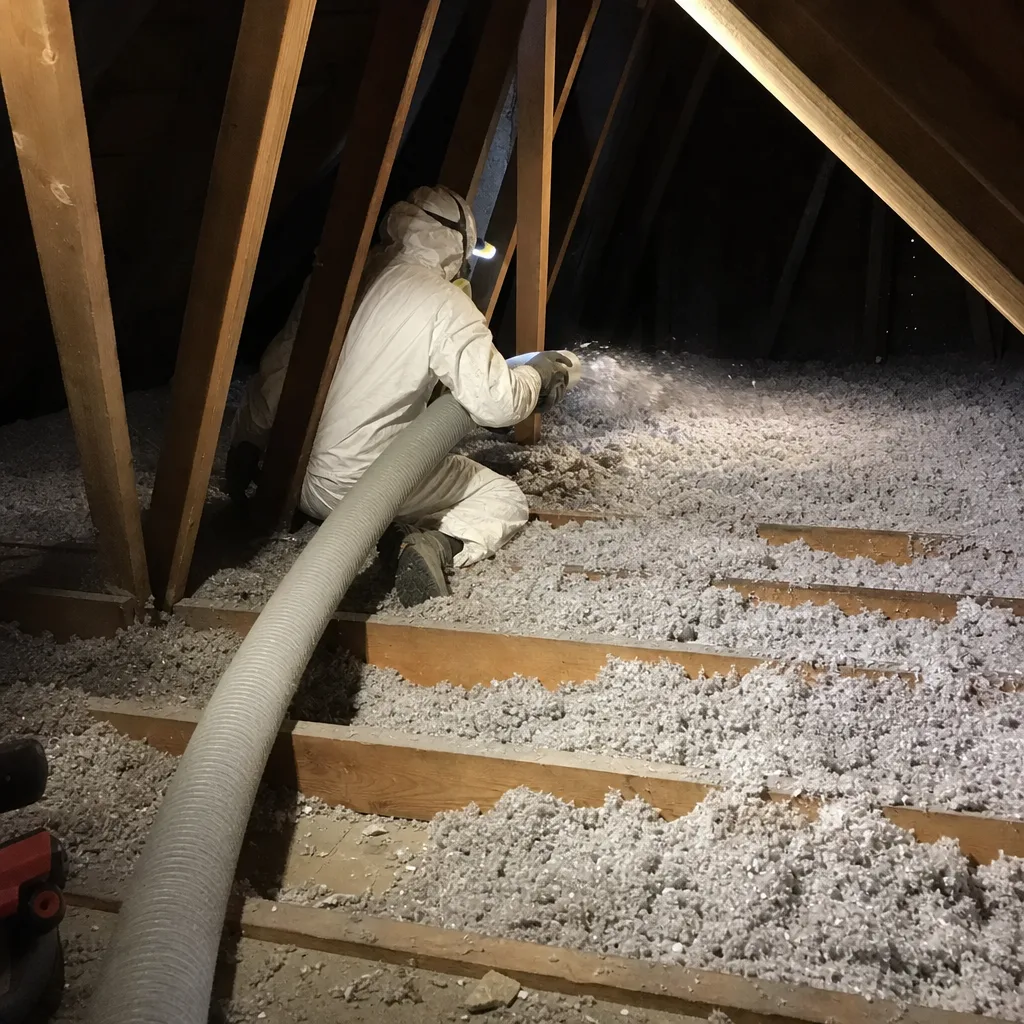
Blown-In Cellulose
Cellulose handles Lancaster’s temperature swings better than most materials because it resists the convective looping that fiberglass allows when the delta-T across your ceiling hits 80°F on a 105°F day. We source treated cellulose from GreenFiber and Owens Corning, blowing it to specified density - not eyeballing it - and we never install it over an unsealed attic floor. In Lancaster’s wind corridor, loose fill without air sealing becomes drifted fill. We seal first.
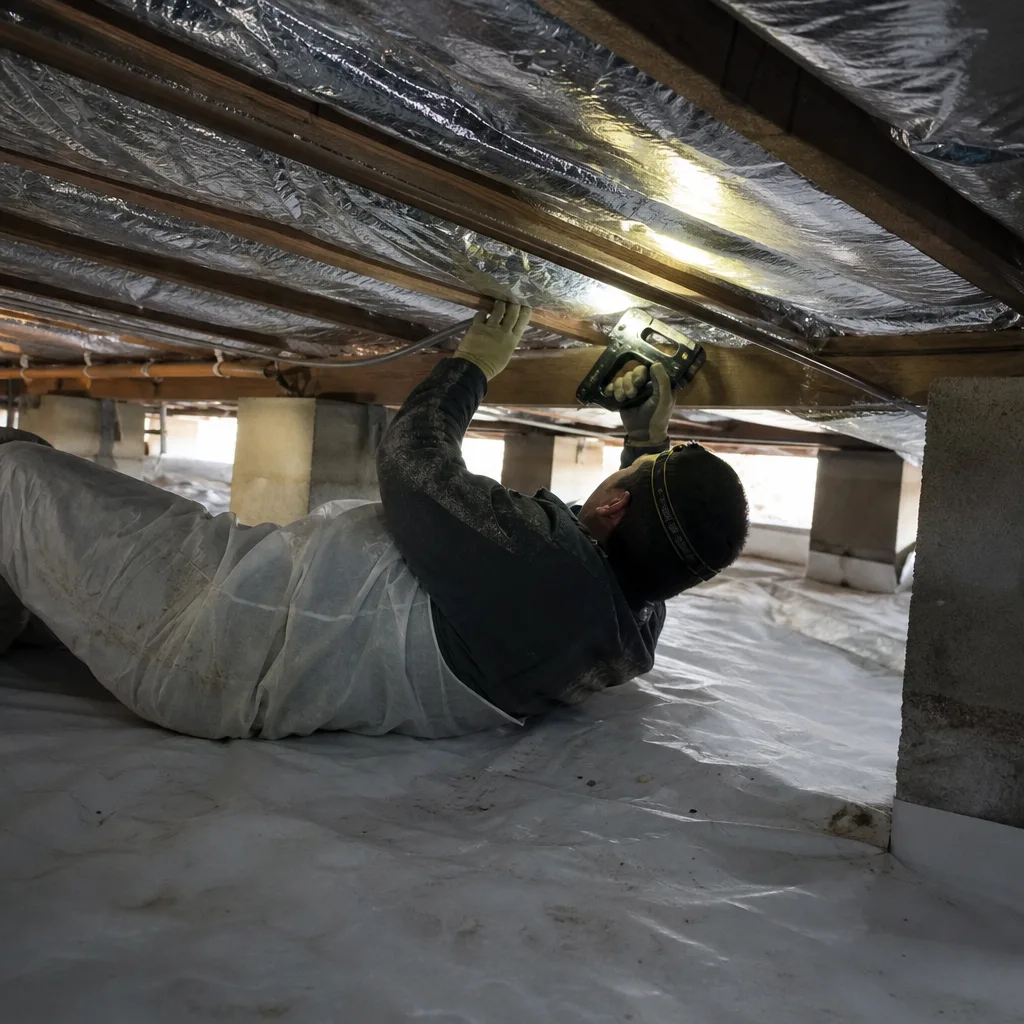
Blown-In Fiberglass
For homeowners who want the non-combustible properties of fiberglass in a high-fire-risk zone, we blow Owens Corning and CertainTeed fiberglass to R-49 depth in Lancaster attics, extending vent baffles at every eave to prevent wind-washing. Fiberglass doesn’t settle as aggressively as cellulose under heat, but it still compresses over decades in 150°F attics. We quote based on settled performance, not bag label.
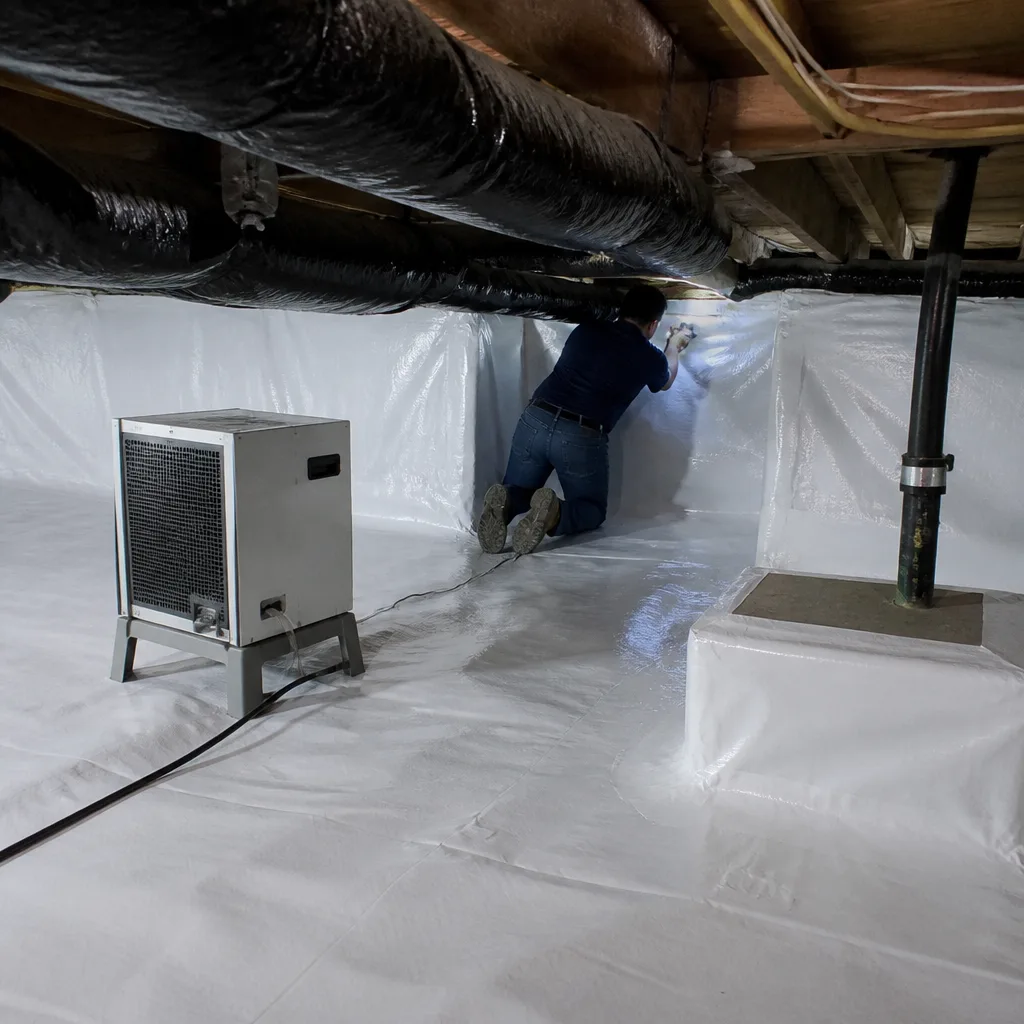
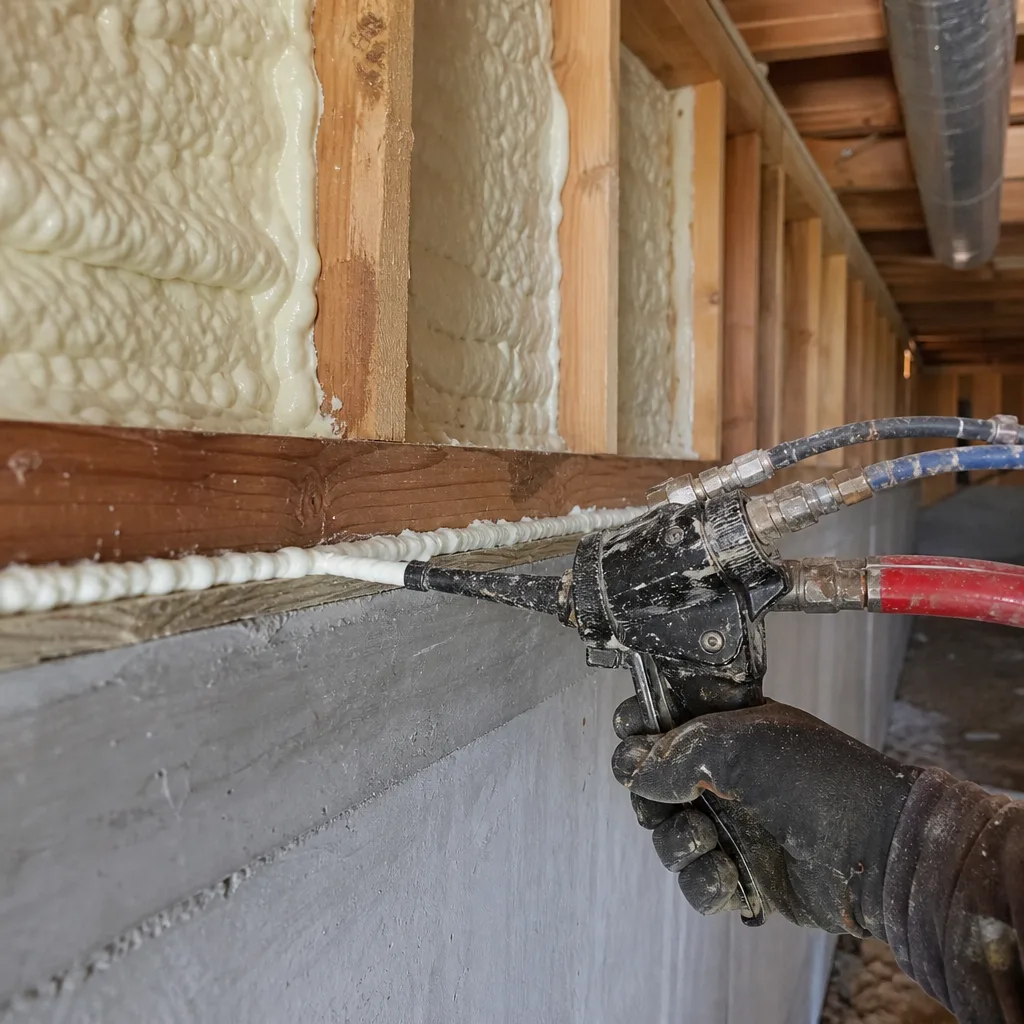
Dense-Pack Wall Insulation
This is where Lancaster’s climate demands separate from coastal LA. Dense-pack cellulose or fiberglass blown into closed wall cavities at 3.5-4.0 pounds per cubic foot stops air movement through the wall itself - critical when the Tehachapi Pass winds pressurize one side of your house and depressurize the other. Most 1980s-90s Lancaster tracts were built with empty 2×4 walls or minimal R-11 batts. Dense-pack brings those walls to R-13-R-15 and, more importantly, eliminates the infiltration paths that make your thermostat fight the wind.
Blown-In Top-Up
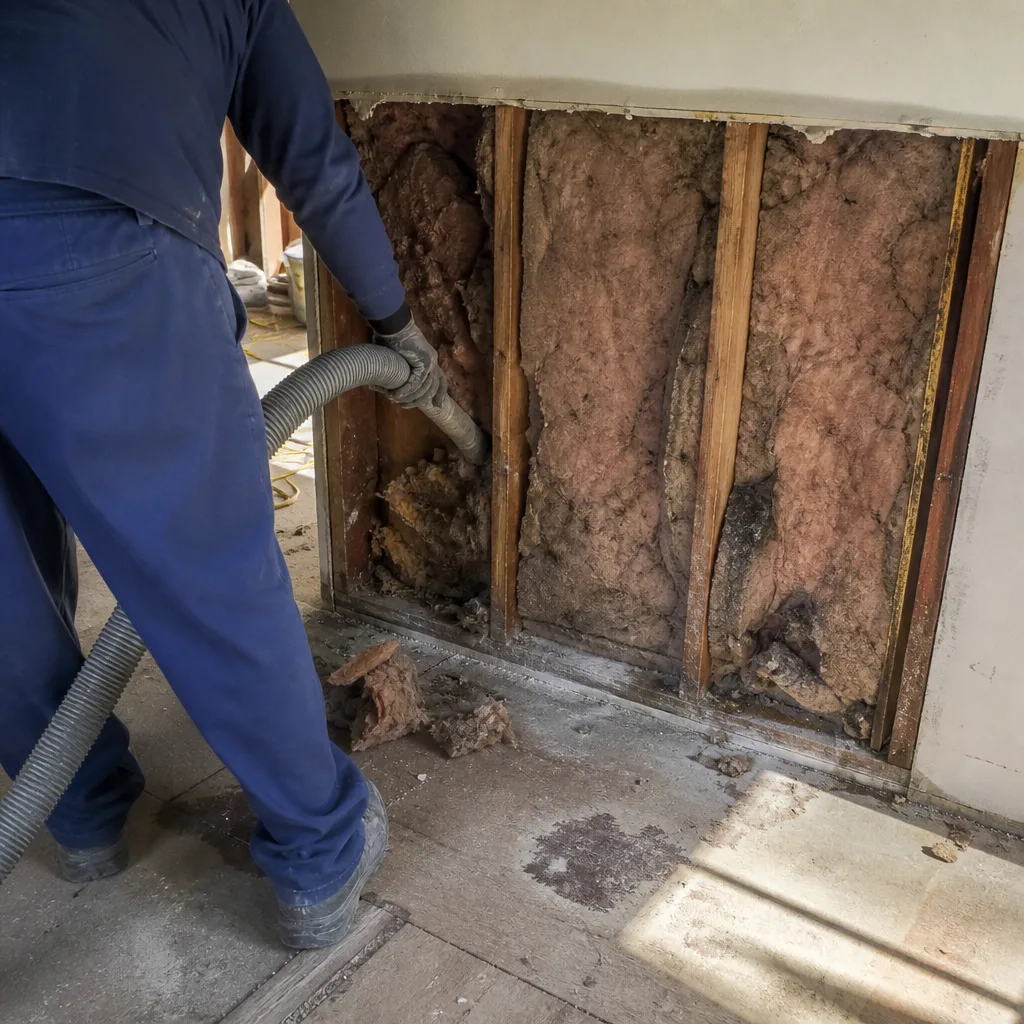
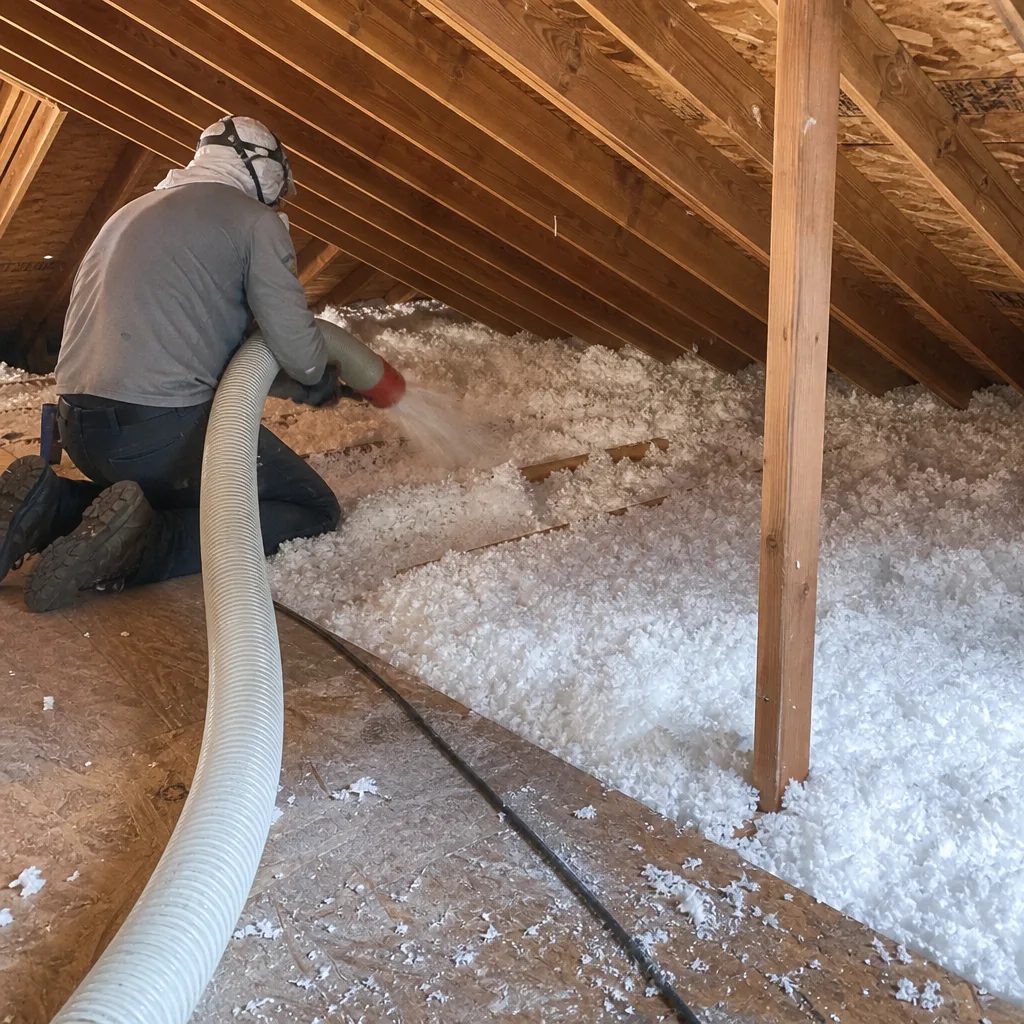
The most common call we get in Lancaster. Homeowner climbs into the attic, sees the original R-19 flattened to something that looks like a dirty quilt, and wants to know if we can just blow more on top. Sometimes yes, sometimes no. If the existing material is compressed fiberglass with bare patches and wind scouring - typical in the Avenue J-L corridor after thirty years - we remove it, air-seal the deck and top plates, then blow fresh material to R-49. If it’s relatively uniform settled cellulose with no moisture staining, a top-up after air sealing can work. We photograph everything and show you before we quote.
What happens when you call
- 1
A real person answersNo phone trees - you reach a local pro.
- 2
You get an upfront price rangeHonest numbers before anyone is dispatched.
- 3
A background-checked tech heads outLicensed & insured, dispatched right away.
- 4
You approve before work beginsNothing starts until you say go.
 Before
 After
AfterTrusted Brands We Service in Lancaster
We stock Owens Corning, Rockwool, and CertainTeed materials on every Lancaster run - no special-order delays, no proprietary lock-in that limits your options. Owens Corning fiberglass and GreenFiber cellulose handle the bulk of our attic work here. Rockwool’s mineral wool goes into jobs where fire resistance and sound dampening matter, which is more common than you’d think in Lancaster’s denser subdivisions. We also source Icynene and Demilec spray foam for hybrid systems where air sealing demands exceed what blown-in alone can achieve. Every bag lot is documented in your job record.
Common Blown-In Insulation Problems We See in Lancaster Homes
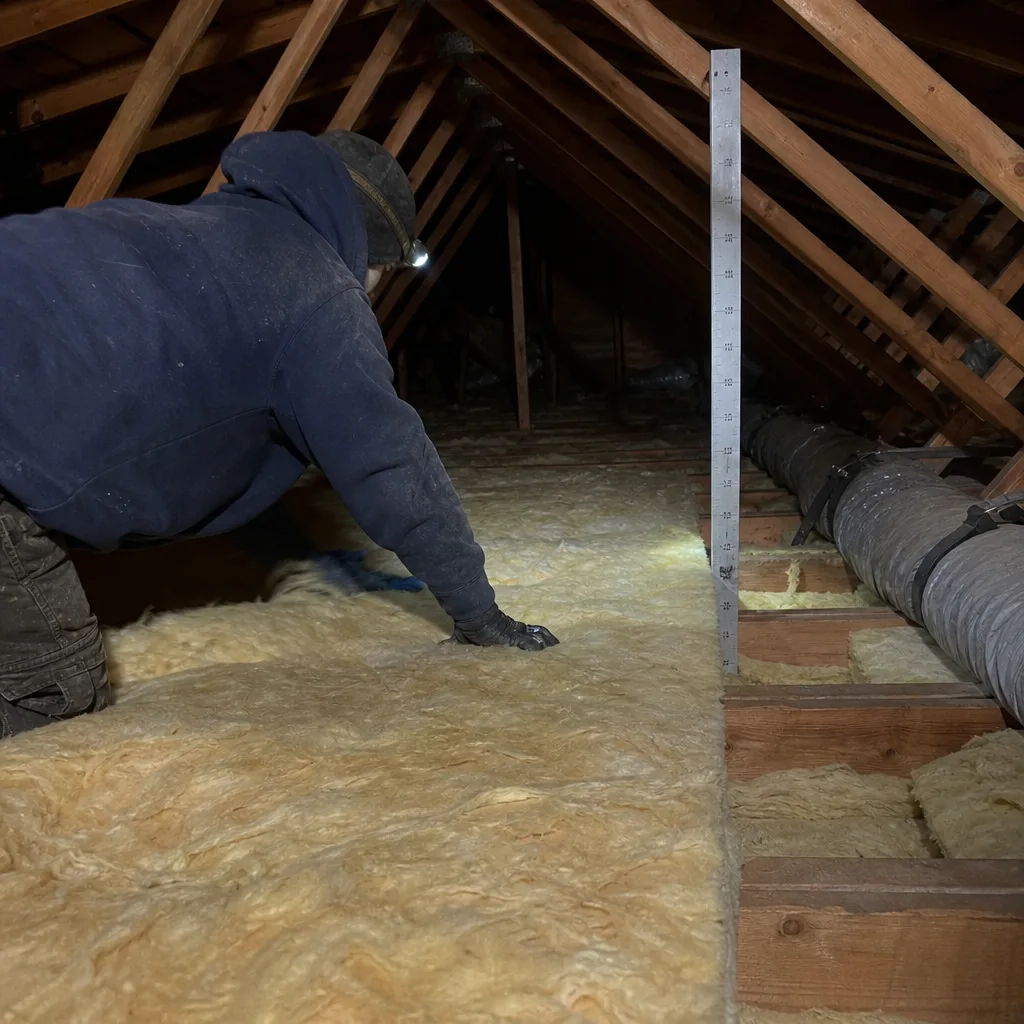
- Wind-scoured fiberglass drifts. Tehachapi Pass gusts find any gap in soffit baffles or top-plate sealing and redistribute your attic insulation into piles and bare patches. We see this constantly on east-facing slopes in the Avenue K corridor, where the prevailing wind hits hardest.
- Heat-compacted settled cellulose. Thirty summers at 150°F+ bakes blown-in cellulose into a dense, uneven mat. The bag said R-19 at installation. The reality in your attic today is closer to R-13, with thin spots over the master bedroom where the ceiling joists compressed it further.
- Cooked new top-ups from vent failure. Low-slope 1980s stucco roofs with undersized soffit vents and painted-shut gable vents trap superheated air against the deck. Blow new insulation in without fixing ventilation first, and you’re insulating the heat against the ceiling - not venting it out.
- Empty wall cavities in pre-energy-code construction. Homes near Sierra Highway and the original Lancaster downtown core, built before 1978, often have 2×4 walls with no insulation at all. The homeowner feels it as cold walls in January and hot walls in August, but the attic gets all the attention because it’s accessible.
Pricing for Blown-In Insulation in Lancaster, CA
Most complete attic jobs in Lancaster run $2,400-$4,800 for a 1,200-2,000 square foot single-story home, including air sealing of top plates, can lights, and penetrations before any insulation goes in. Dense-pack wall insulation adds $1,200-$2,800 depending on cavity depth, siding type (stucco removal and repair costs more than vinyl), and interior access. A blown-in top-up over existing material, after air sealing, typically runs $1,100-$2,200.
What moves you within those ranges: attic accessibility (hatch size, truss spacing, whether we can stand or crawl), existing material condition (removal adds $400-$900), ventilation repairs needed, and whether duct sealing is bundled. We give you a written price before any work starts - Haven Standard Clause 1 - and a free second opinion on any competing written estimate you bring us. Call (661) 403-4467 for exact numbers on your house.
We Also Serve Cities Near Lancaster
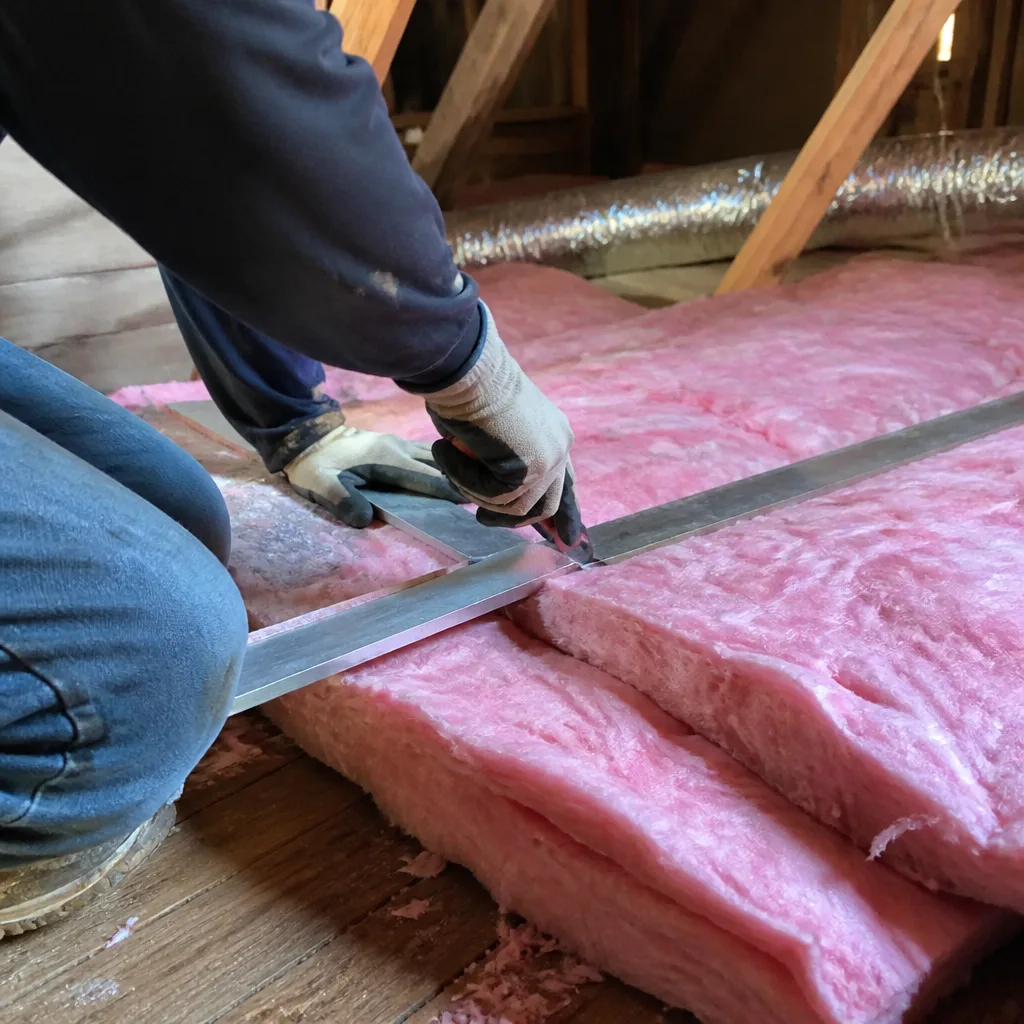
Our crews work the full Antelope Valley and Santa Clarita corridor, including Lancaster, Acton, Littlerock, Palmdale, and Santa Clarita. Dispatch and scheduling are coordinated from our Los Angeles office, with material loads staged for each service area so we’re not driving empty trucks across the county.
Serving Lancaster, CA - Our Local Coverage Area
We’re based in the Lancaster area and know this community well. Use the map below to see our service coverage - if you’re nearby, we can almost certainly help.
FAQs - Blown-In Insulation in Lancaster
Climb up and look, or send us photos. If the material is uniformly settled but covers the joists, a top-up after air sealing often works. If you see bare patches, wind scouring, discoloration from roof leaks, or compressed batts flattened below the joist tops - all common in Avenue J-L corridor homes - we remove it, seal the deck, and start fresh. Call (661) 403-4467 and we’ll tell you which category you’re in before we schedule.
Lancaster’s 2,350-foot elevation in the Antelope Valley creates a dual extreme that coastal LA doesn’t face: summer attic temperatures above 150°F and winter nights in the mid-20s°F, plus wind-driven infiltration through the Tehachapi Pass corridor. A coastal home with weak insulation might be uncomfortable; a Lancaster home with the same weakness has furnaces short-cycling in January and AC units failing in July. The energy penalty is roughly double. Call (661) 403-4467 for a free estimate.
It helps both, and winter is where underinsulated Lancaster homes really bleed money. R-49 in the attic and dense-packed walls slow conductive heat loss when it’s 28°F outside and 70°F inside, and proper air sealing stops the wind from pulling conditioned air out through every gap. We see winter gas bills drop 25-40% after proper attic work in Lancaster’s 1980s tracts. Call (661) 403-4467 for a written quote.
Dense-pack is cellulose or fiberglass blown into closed wall cavities at high density - 3.5-4.0 pounds per cubic foot - so it blocks air movement through the wall itself, not just slows heat transfer. Lancaster’s Tehachapi winds pressurize walls directly; empty or poorly filled cavities become bellows that pump conditioned air out. Dense-pack stops that. Most 1980s-90s Lancaster tracts were built without it. Call (661) 403-4467 to check your walls.
We remove it when it’s compromised - compressed, wind-scoured, moisture-stained, or contaminated. We top up over it when it’s clean, uniform, and the right type for the new material to bond with. We photograph the attic and show you the condition before we quote, so you know which path we’re recommending and why. Call (661) 403-4467 to schedule an inspection.
Written by Wes Okafor, Owner at Envelope Insulation Co., serving Lancaster and the Antelope Valley under The Haven Standard since 2016.