
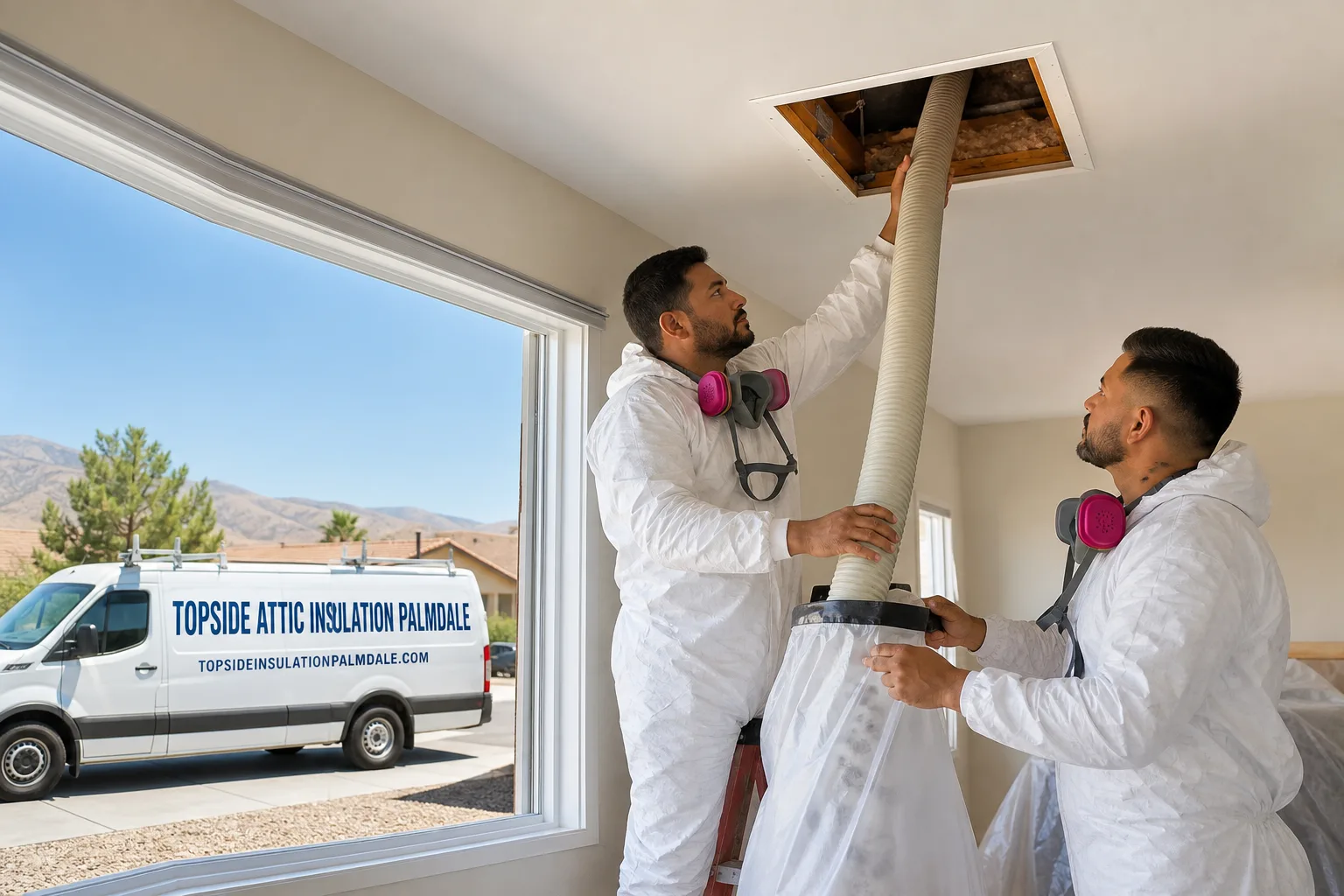
Fast, Reliable Spray Foam Insulation Across Lancaster
Spray foam insulation in Lancaster typically costs $2.80-$6.50 per board foot installed, with most whole-attic jobs running $4,200-$8,900 depending on open-cell versus closed-cell specification and whether we’re working a low-slope stucco roof deck in the Avenue J-L corridor or a standard vented attic. Our crews are on the road to Lancaster daily from our Los Angeles office, and we answer calls live at (661) 403-4467 - no voicemail, no callback windows measured in business days.
We’ve sealed and insulated more than 9,000 homes since 2016, and the Antelope Valley accounts for a growing share of that work. Lancaster’s not like other Southern California markets. The city sits at 2,350 feet in the high desert, and that elevation produces a dual climate extreme: summer attic temperatures that bake past 150°F, followed by genuine hard-freeze winter nights in the mid-20s°F. Your insulation has to fight both battles. That’s why we start every Lancaster job with a blower-door test - a pressurization reading that shows, in one number, how much conditioned air your building envelope is losing - and we don’t lift a spray gun until the air sealing is documented.
Why Topside Attic Insulation Palmdale Is Lancaster’s Preferred Spray Foam Insulation Company
Our reputation in Lancaster is built on documented results, not years-on-a-truck. Homeowners here read the three-star reviews as carefully as the five-star ones, so we publish before-and-after blower-door numbers on every applicable job. You’ll see the CFM50 reduction in writing before you pay.
Response time to Lancaster is same-day or next-day for standard bookings, with emergency scheduling available when a failed insulation assembly is threatening equipment or occupant safety. Dispatch coordinates from our Los Angeles office, but the crew that arrives at your door knows the local housing stock: the 1980s-90s stucco tracts between Avenue J and Avenue L, the pre-1960s construction near Sierra Highway, the low-slope roof decks that trap heat and the rim joists that leak Tehachapi Pass wind straight into conditioned space.
We operate under The Haven Standard. That means a written price before any work starts, a written warranty delivered before anyone lifts a tool, and a 365-Day Done Right Promise - if it’s not done right, we make it right. Every visit includes a Documented Photo Record, and we offer a Free Second Opinion on any written estimate from another contractor. Background-checked, uniformed technicians. Calls answered live, 24/7.
Our Spray Foam Insulation Services in Lancaster
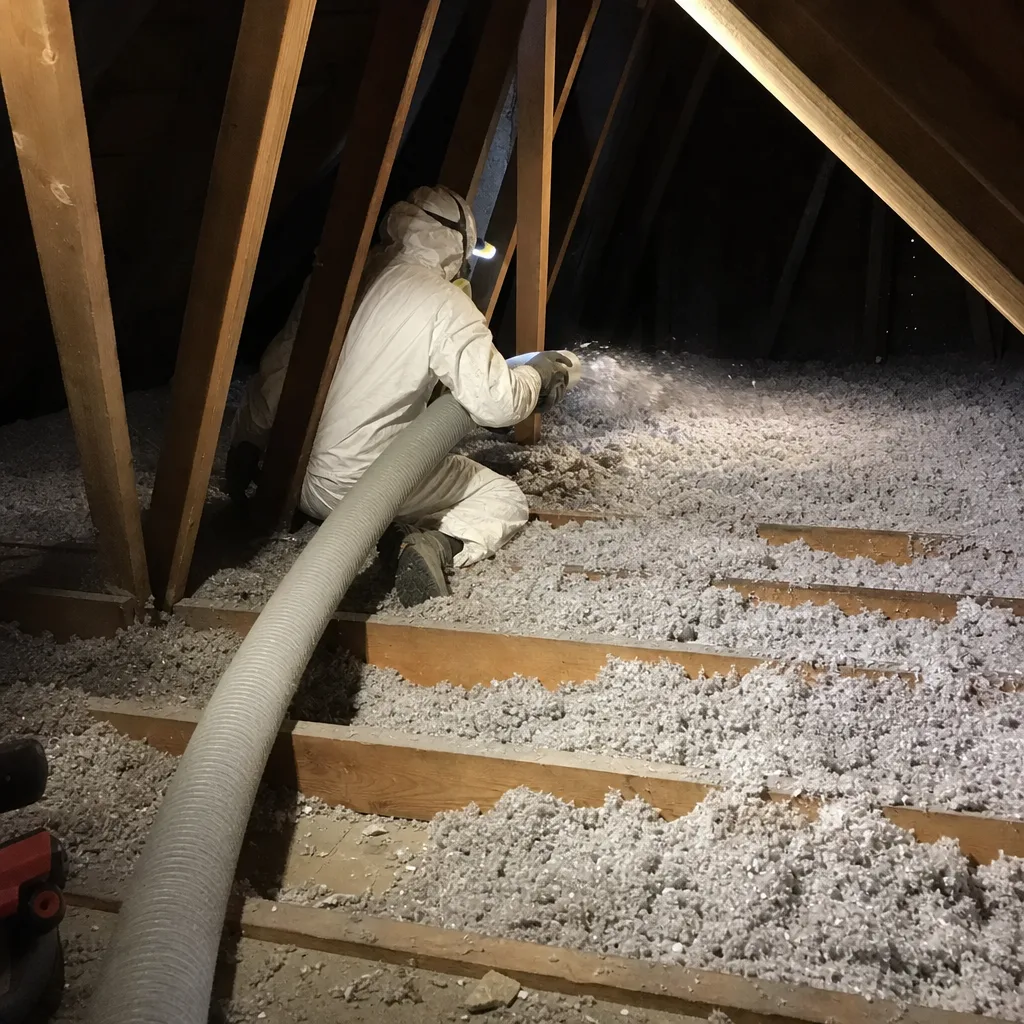
Closed-Cell Spray Foam
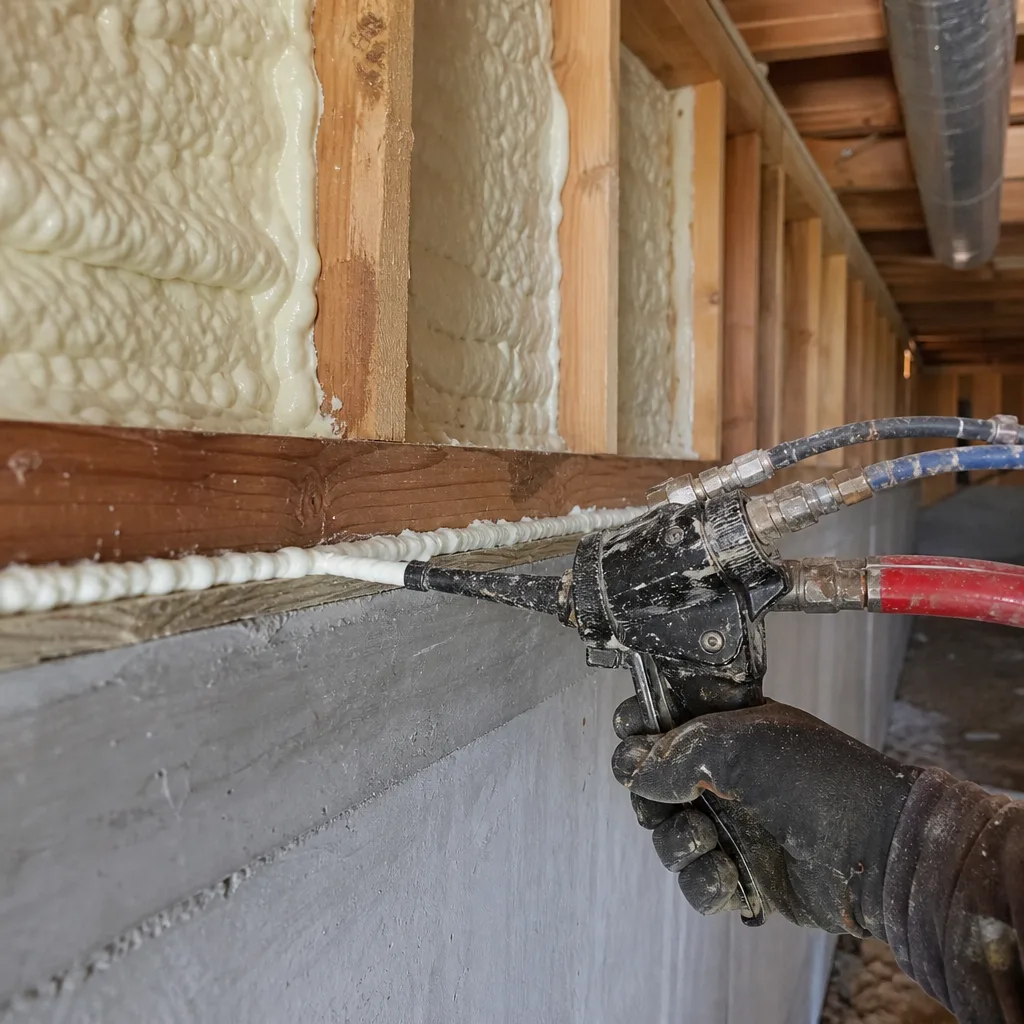
Closed-cell spray foam is our default specification for Lancaster’s hard-freeze conditions. At R-6.5 per inch, it delivers the highest R-value per inch of any insulation we install, and its 2.0+ lb density creates a vapor barrier that stops winter moisture drive cold-side-out - a real concern when attic temperatures swing from 150°F summer bake to below-freezing winter nights. We specify closed-cell for rim joists, garage ceiling lids, and any roof-deck application where ventilation is limited or absent. On that 1990 stucco two-story near Avenue J and 30th West, our crew found original blown-in fiberglass settled to roughly R-13, a garage ceiling lid with nothing over it, and meter-box, top-plate, and rim-joist leaks feeding the Tehachapi Pass wind straight into the return. We closed-cell sprayed the rim joists and garage ceiling lid, open-cell flashed the attic roofline to lock the envelope, and left the ducts sealed and re-supported; the homeowner called back after the first cold snap because the furnace wasn’t short-cycling at 5 a.m. anymore.
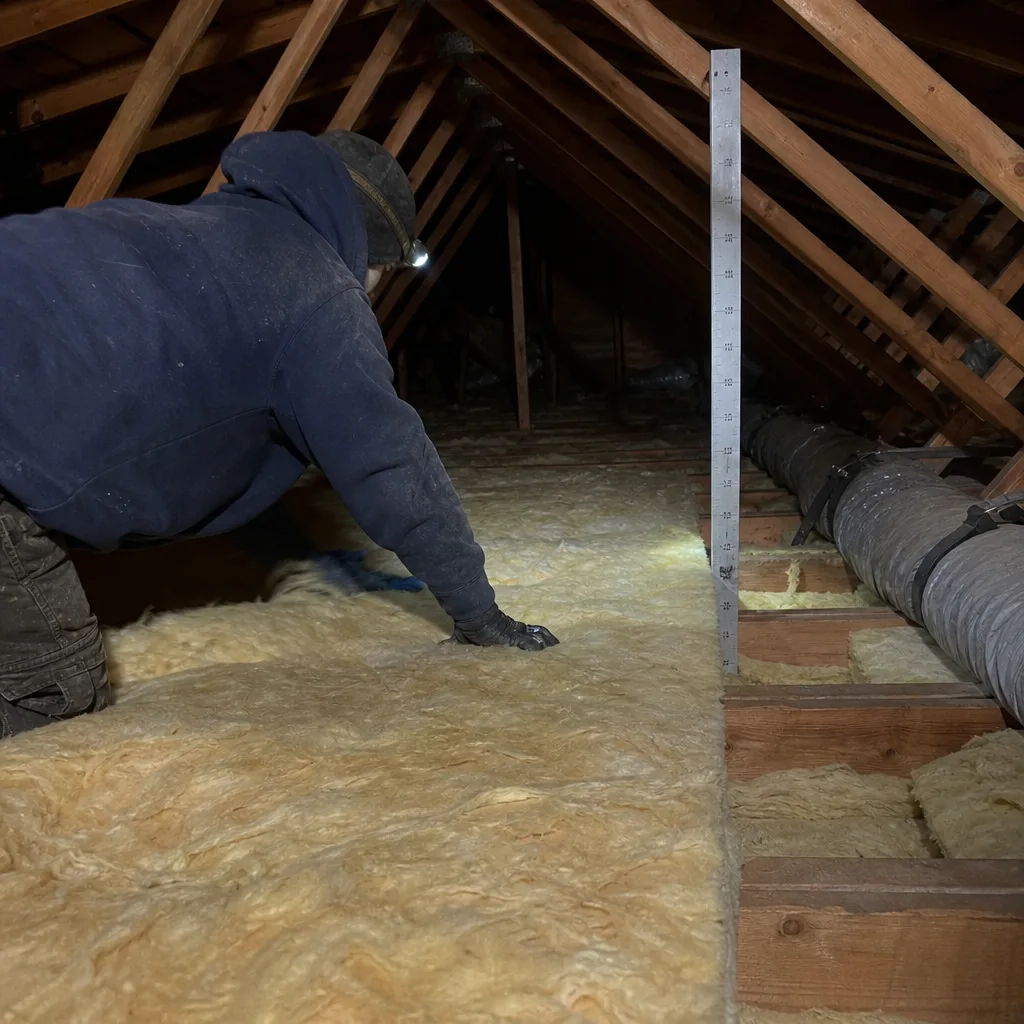
Open-Cell Spray Foam
Open-cell spray foam runs lighter - roughly 0.5 lb density, R-3.6 per inch - and we use it selectively in Lancaster. It’s cost-effective for large attic roofline flashings where we’re creating an unvented conditioned attic, but only when the assembly includes a class-A thermal barrier and we’ve already sealed the infiltration paths. Open-cell is vapor-permeable, so in Lancaster’s dual-load climate we never specify it below grade or in garage ceilings without additional ignition-barrier protection. The material we source from Icynene is specified to current California Title 24 requirements for climate zone 5.
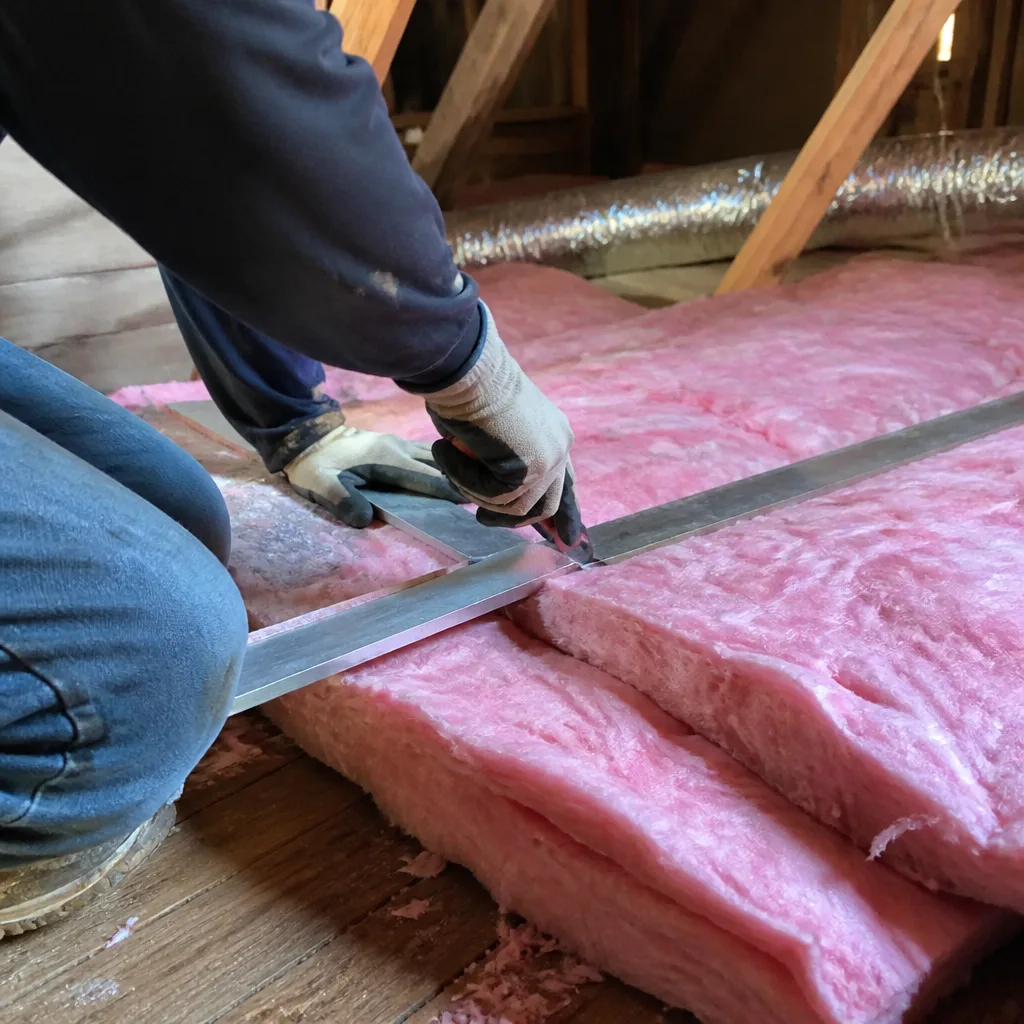
Rim Joist Spray Foam
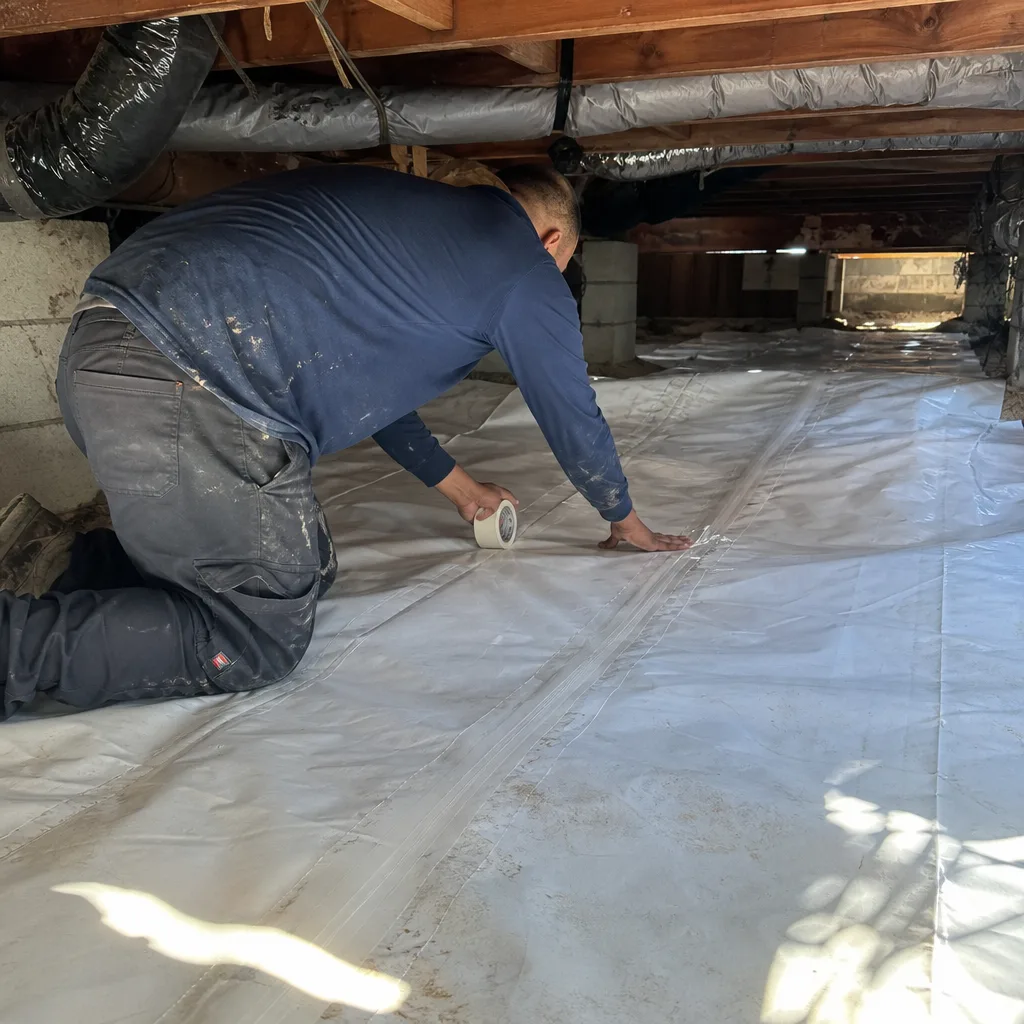
The rim joist is where your foundation meets your first floor, and in Lancaster’s 1980s-90s tract homes it’s almost always unsealed. Tehachapi Pass winds pressurize crawl spaces and basements, then drive unconditioned air through rim-joist gaps into wall cavities and floor systems. We spray closed-cell foam directly to the rim-joist surface after sealing sill-plate gaps with acoustic sealant. This is single-highest-ROI work in many Lancaster homes because it addresses the infiltration path that blown-in attic insulation cannot touch. The blower-door test quantifies the improvement in CFM50 before we leave.
Garage Ceiling Spray Foam
Garage ceiling lids in Lancaster tract homes are often completely empty - no insulation, no air barrier, just drywall or stucco separating a 150°F summer garage from conditioned bedrooms above. We spray closed-cell foam to the garage ceiling underside, creating both thermal resistance and an ignition barrier when specified to code. Critical detail: attached garages in Lancaster require a class-A thermal barrier over any foam plastic insulation. We handle the permitting documentation and coordinate inspection. This assembly also blocks garage-to-house air leakage, a significant infiltration path that standard attic insulation ignores.
Spray Foam Roof Deck
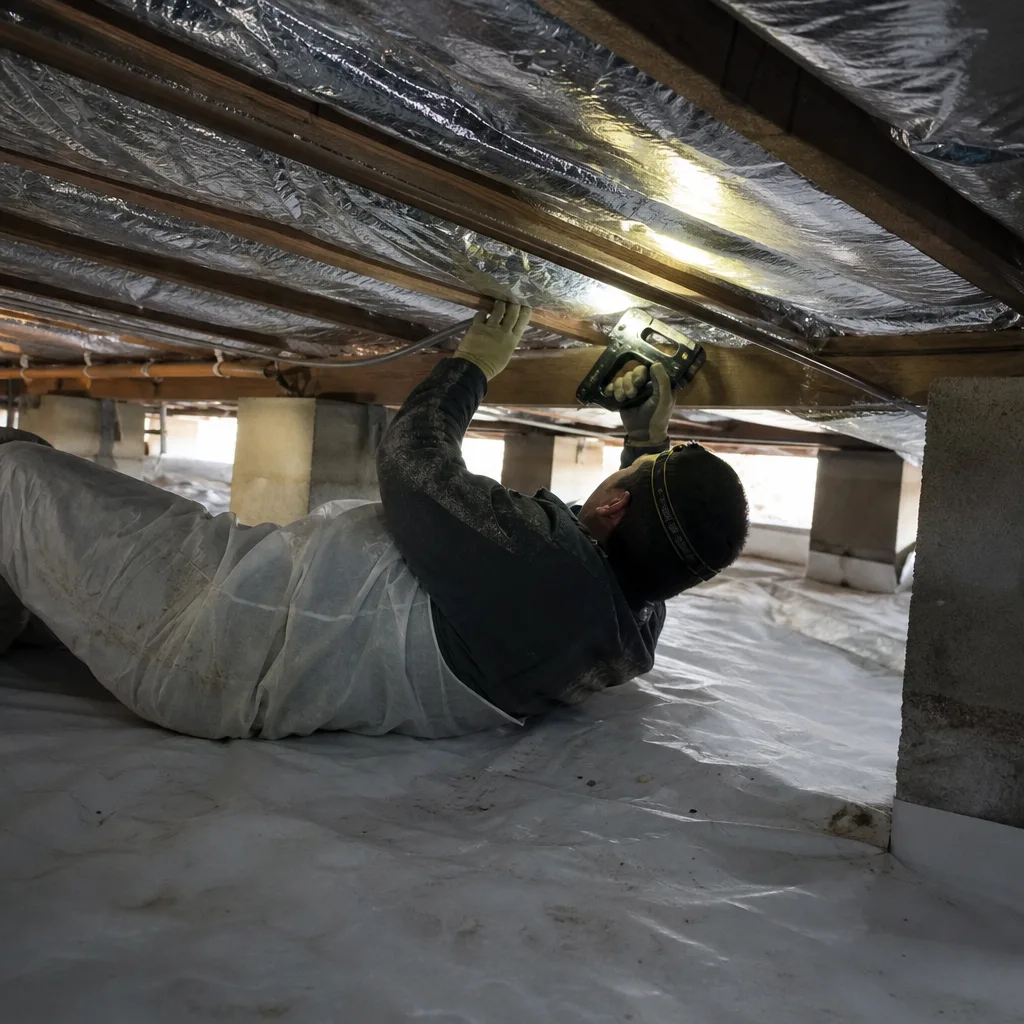
Low-slope stucco roof decks in the Avenue J-L corridor are a Lancaster-specific problem. Original construction used minimal ventilation clearance, and three decades of 150°F attic temperatures have degraded sheathing and compressed any original blown-in material. We convert these to unvented conditioned attics by spraying open-cell or closed-cell foam directly to the roof deck underside, creating a sealed thermal boundary at the roofline rather than the attic floor. This moves HVAC ducts and air handlers inside conditioned space, which is where they should have been in 1990. The specification depends on roof-deck condition, existing sheathing moisture content, and whether we’re also addressing top-plate leaks.
What happens when you call
- 1
A real person answersNo phone trees - you reach a local pro.
- 2
You get an upfront price rangeHonest numbers before anyone is dispatched.
- 3
A background-checked tech heads outLicensed & insured, dispatched right away.
- 4
You approve before work beginsNothing starts until you say go.
 Before
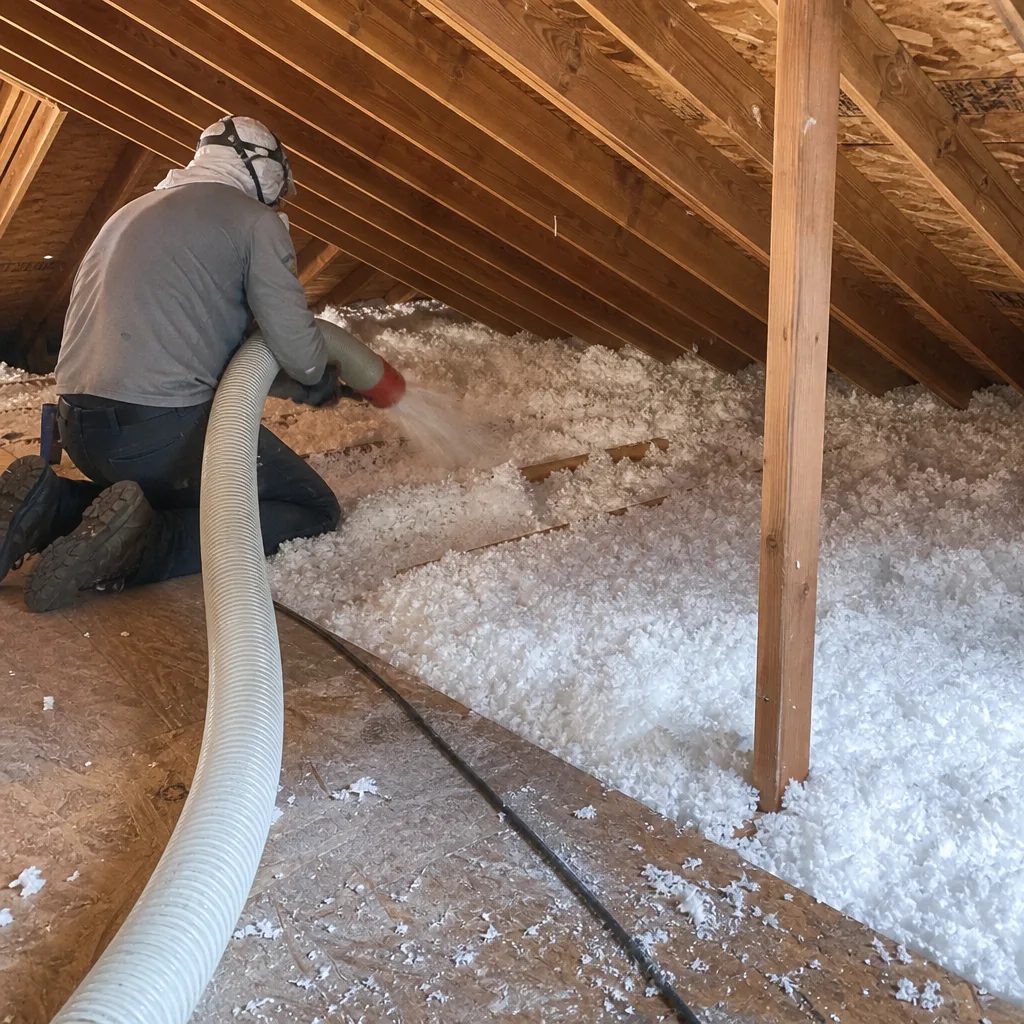 After
AfterTrusted Brands We Service in Lancaster
We source spray foam materials from Icynene, Knauf, and Rockwool - no proprietary lock-in, no single-source product pushing. Our Lancaster crews carry stock for common open-cell and closed-cell formulations, so we’re not waiting on a Los Angeles warehouse pull for standard jobs. For specialized applications - high-density closed-cell for rim-joist work, or hybrid assemblies combining spray foam with mineral wool ignition barriers - we specify from our full supplier list that includes Owens Corning, Johns Manville, CertainTeed, Demilec, and GreenFiber. Every material batch is documented with manufacturer data sheets and applied per written scope. You get the product specification in your job folder, not a verbal assurance.
Common Spray Foam Insulation Problems We See in Lancaster Homes
- Fiberglass batts stuffed into low-slope 1980s-90s stucco roof decks with no ventilation clearance. The 150°F summer attic temperatures cook the sheathing and compress the fiberglass to an effective R-13 or lower. We’ve measured attic floor temperatures above 140°F in these assemblies. Spray foam at the roofline, properly specified, eliminates the ventilation dependency entirely.
- Open-cell foam sprayed without a class-A thermal barrier in attached garage ceilings. Lancaster wind-driven dust accumulates on foam surfaces, and hot water heater pilots or furnace ignition sources create real flash hazards. We see this on competitor jobs where speed beat code compliance. We don’t skip the thermal barrier, and we document it with photos.
- Foam applied tight to roof deck in unvented assemblies without sealing rim-joist and top-plate infiltration paths. The Tehachapi Pass corridor winds still load the house from below and from wall cavities. Summer radiation and winter wind penetrate the envelope despite the roof-deck foam. We seal first, then insulate - always.
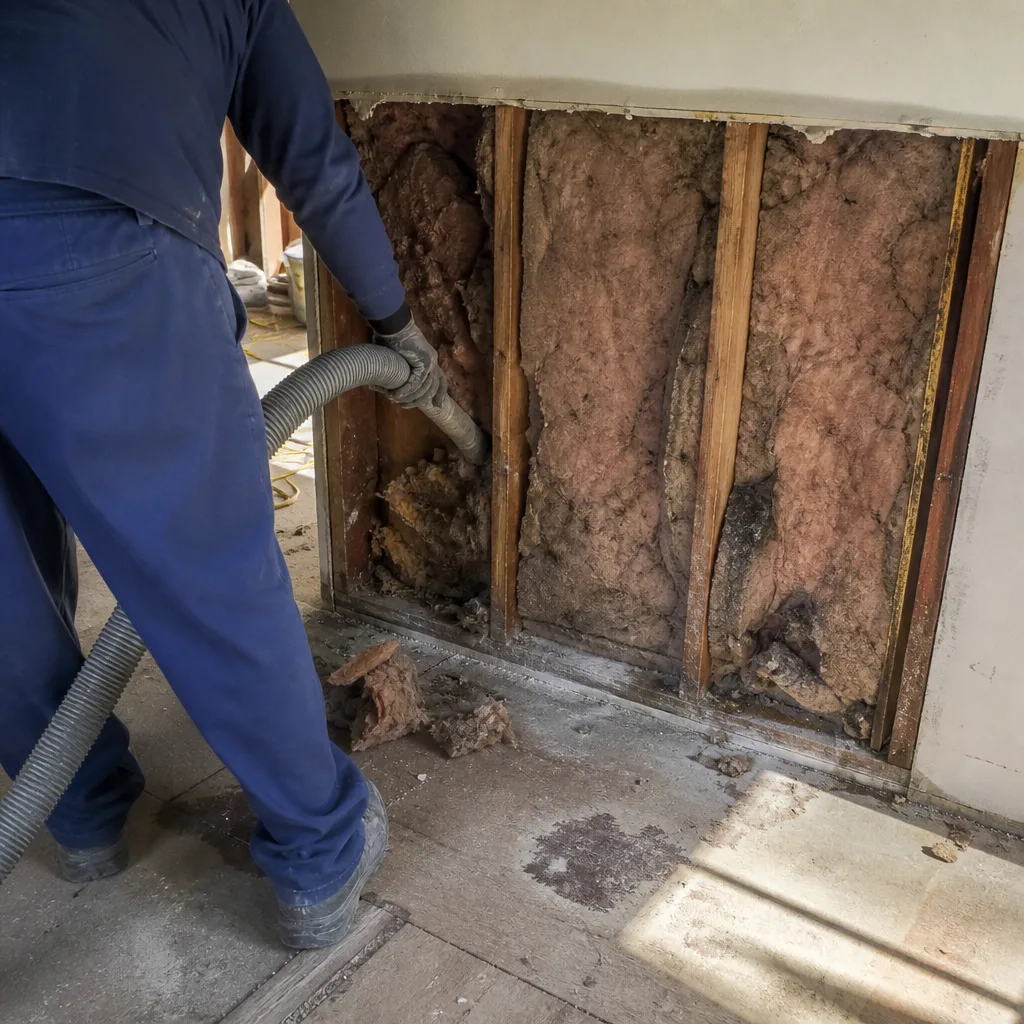
- Original blown-in attic insulation settled and stratified after 30+ years of thermal cycling. In the Avenue J through Avenue L corridor, we regularly find material that was specified at R-19 now performing at R-10 or less. The homeowner pays for heating and cooling that exits through the attic floor before it reaches the registers.
Pricing for Spray Foam Insulation in Lancaster, CA
Most spray foam jobs in Lancaster fall in these ranges, installed:
| Application | Typical Range |
|---|---|
| Open-cell attic roofline (per board foot) | $2.80-$3.90 |
| Closed-cell rim joist or garage ceiling (per board foot) | $4.50-$6.50 |
| Typical whole-attic open-cell conversion (1,200-1,800 sq ft roofline) | $4,200-$6,800 |
| Closed-cell garage ceiling lid (standard 2-car) | $2,800-$4,400 |
| Rim-joist sealing + closed-cell (typical tract home) | $1,800-$3,200 |
| Hybrid: attic floor air sealing + blown-in to R-49 | $3,200-$5,600 |
What moves the number: roof-deck accessibility in low-slope assemblies, existing insulation removal requirements, thermal-barrier and ignition-barrier code compliance, and whether we’re also specifying duct sealing or mechanical re-support. Every Lancaster job begins with a written price - Haven Standard Clause 1 - and we provide a Free Second Opinion on any competing written estimate. Call (661) 403-4467 for a written scope and exact price. Estimates are free.
We Also Serve Cities Near Lancaster
Our crews work the full Antelope Valley and Santa Clarita corridor: Lancaster, Acton, Littlerock, Palmdale, and Santa Clarita. Dispatch from our Los Angeles office coordinates scheduling across all service areas. If you’re in a outlying tract near the Angeles National Forest boundary or in a pre-1960s build close to Sierra Highway, we know the housing stock and the specific infiltration patterns. Our Spray Foam Insulation team covers the full envelope: attic, walls, rim joists, garage ceilings, and roof decks.
Serving Lancaster, CA - Our Local Coverage Area
We’re based in the Lancaster area and know this community well. Use the map below to see our service coverage - if you’re nearby, we can almost certainly help.
FAQs - Spray Foam Insulation in Lancaster
Yes - if the blown-in has settled below current code or if you’re experiencing the dual-load symptoms we see constantly: furnace short-cycling on freeze nights and AC that can’t hold setpoint past 3 p.m. in July. Most original blown-in in the Avenue J-L corridor has compressed to R-13 or less. We test first, then specify. Call (661) 403-4467 for a blower-door test and written price.
Closed-cell for rim joists, garage ceilings, and any application where a vapor barrier is required. Open-cell for large attic roofline flashings where we’re creating an unvented conditioned attic and the assembly includes proper thermal-barrier protection. Lancaster’s hard-freeze winters push us toward closed-cell in any boundary condition. We specify per assembly, not per sales quota.
Yes - this is a core application for us in Lancaster. We convert these vented, overheated attics to unvented conditioned assemblies by spraying directly to the roof deck underside. The specification depends on sheathing condition and moisture content, which we measure before writing scope. We also seal top plates and rim joists so the Tehachapi Pass wind doesn’t bypass the new thermal boundary.
By creating an airtight, high-R-value boundary that doesn’t degrade with thermal cycling. Unlike fiberglass that settles and stratifies, spray foam adheres to substrates and maintains its R-value across temperature swings. The critical factor is specification: we match the foam type, density, and thickness to the actual load calculation for your specific assembly, not a generic chart.
Often yes, but the approach differs. These homes frequently have little to no original insulation, balloon framing that creates vertical air channels, and irregular cavities that blown-in material cannot fill completely. We use closed-cell foam for its air-sealing and structural rigidity in irregular spaces, combined with targeted air sealing at the attic floor and rim joists. The blower-door test proves the improvement. Call (661) 403-4467 for a written assessment - estimates are free.
Written by Wes Okafor, Owner at Topside Attic Insulation Palmdale, serving Lancaster since 2016 under The Haven Standard.