
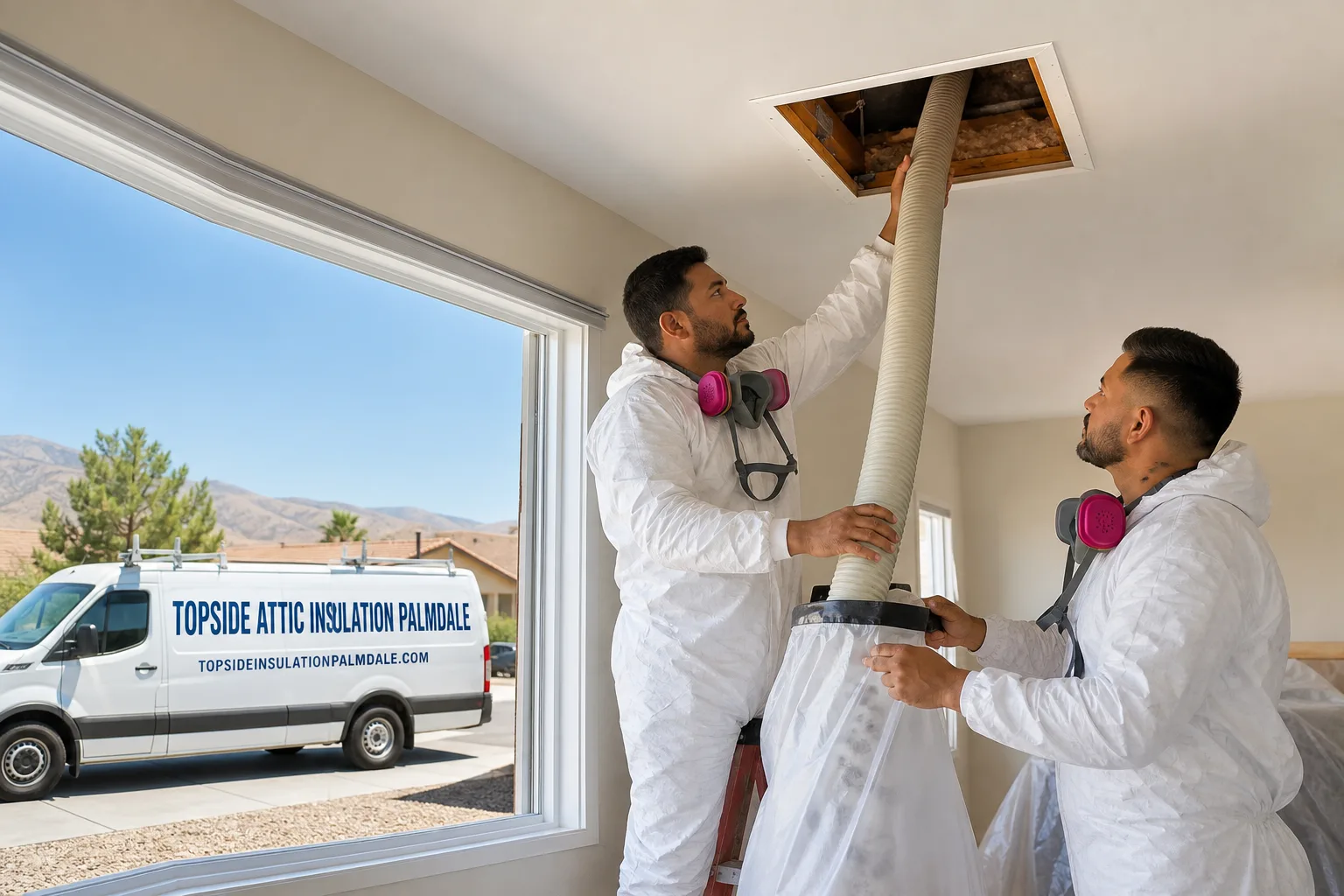
Fast, Reliable Attic Insulation Across Lake Los Angeles
Most attic insulation jobs in Lake Los Angeles run between $1,800 and $4,200 for a full retrofit on a typical 1,200-1,800 square foot home, and our crews can usually inspect and price the work within 24 hours of your call. Because Lake Los Angeles sits at roughly 2,700 feet on the Antelope Valley floor, your attic faces a dual thermal load that coastal LA contractors rarely engineer for - 100°F+ summer attic temperatures that cook blown fiber and sub-freezing winter nights that demand full R-value retention in the same assembly. We’ve been sizing insulation for this exact high-desert condition since 2016, and we dispatch crews to Lake Los Angeles from our Los Angeles office with same-day availability most weeks. Call (661) 403-4467 to schedule a free inspection and written price - no work starts without it.
Why Topside Attic Insulation Palmdale Is Lake Los Angeles’s Preferred Attic Insulation Company
Our reputation in Lake Los Angeles was built on documented results, not promises. We’ve sealed and insulated more than 9,000 homes since 2016, and every job closes with a Documented Photo Record and, on applicable work, before-and-after blower-door numbers that show exactly how much conditioned air your home stopped losing. Lake Los Angeles homeowners specifically call us back because we publish those pressurization readings - a single figure, in writing, that proves the air sealing worked.
Response time to Lake Los Angeles is typically same-day or next-day for inspections, with crews already running routes through the Antelope Valley. We know the local housing stock: the 1950s-70s speculative-lot builds, the manufactured homes with shallow attic cavities, the owner-built ranches off 170th Street East and Avenue O where previous owners stacked new batts over collapsed old ones and called it done. That local knowledge means we spot failure modes a generalist misses.
Our Attic Insulation in Lake Los Angeles customers get the Haven Standard on every job: a written price before any work starts, a named technician, a text when they’re en route, and the 365-Day Done Right Promise backed by a written warranty. Calls are answered by a live person 24/7 - no voicemail loops, no callback windows measured in business days.
Our Attic Insulation Services in Lake Los Angeles
Blown-In Attic Insulation
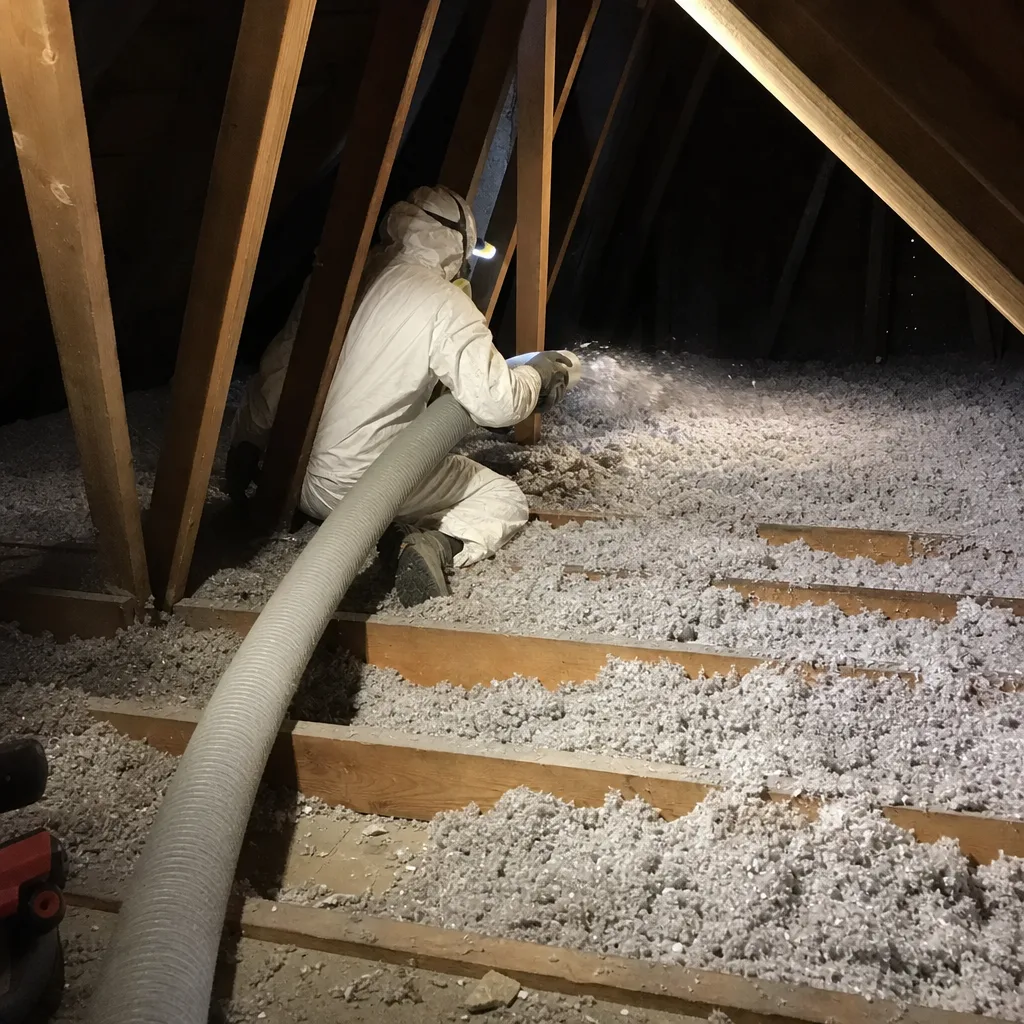
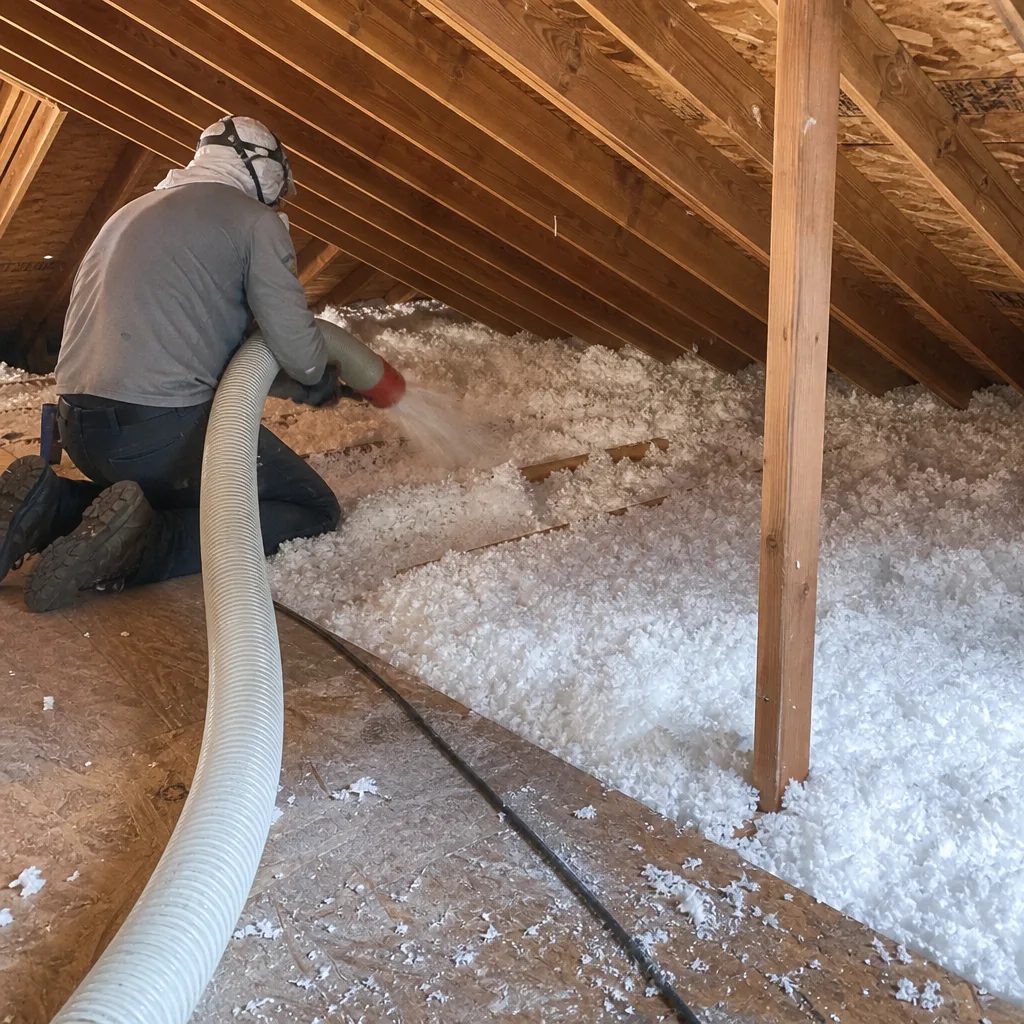
Blown-In Insulation - Lake Los Angeles with fiberglass or cellulose is our most common specification for Lake Los Angeles homes because it fills irregular attic cavities completely - critical in the shallow, uneven spaces typical of manufactured homes and 1960s owner-built slabs-on-grade. We blow to a uniform depth, install baffles at every soffit vent to maintain airflow, and never blow over an unsealed attic floor. On a 1960s owner-built ranch off 170th Street East, our crew found R-6 worth of collapsed, wind-scoured batts over a bare, unsealed top plate - the previous owner had stacked new batts over the old and the valley wind had simply blown the attic’s heat straight through the gaps. We pulled the failed batts, foamed the top plates and can lights, added baffles at every soffit vent, and blew in Owens Corning fiberglass to a uniform depth, dropping that home’s summer ceiling temps noticeably the first week.
Attic Batt Insulation
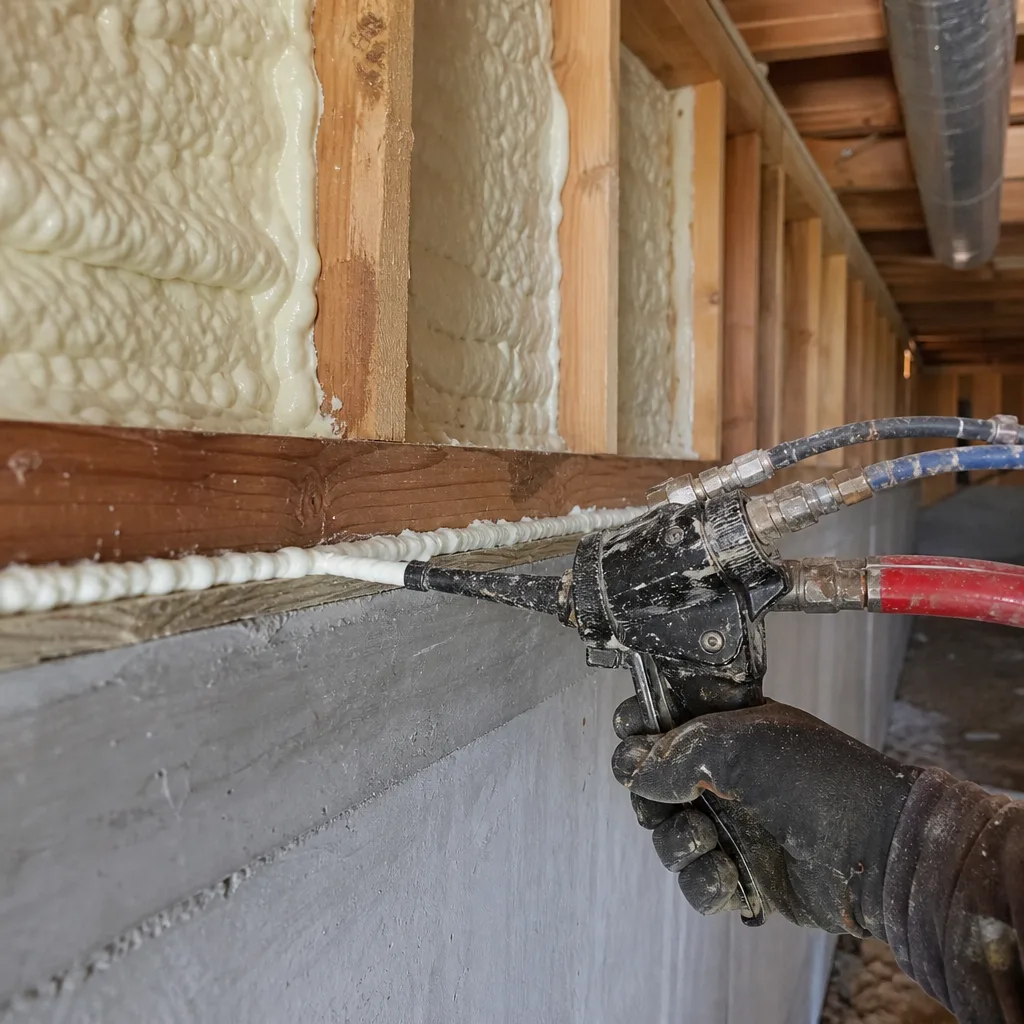
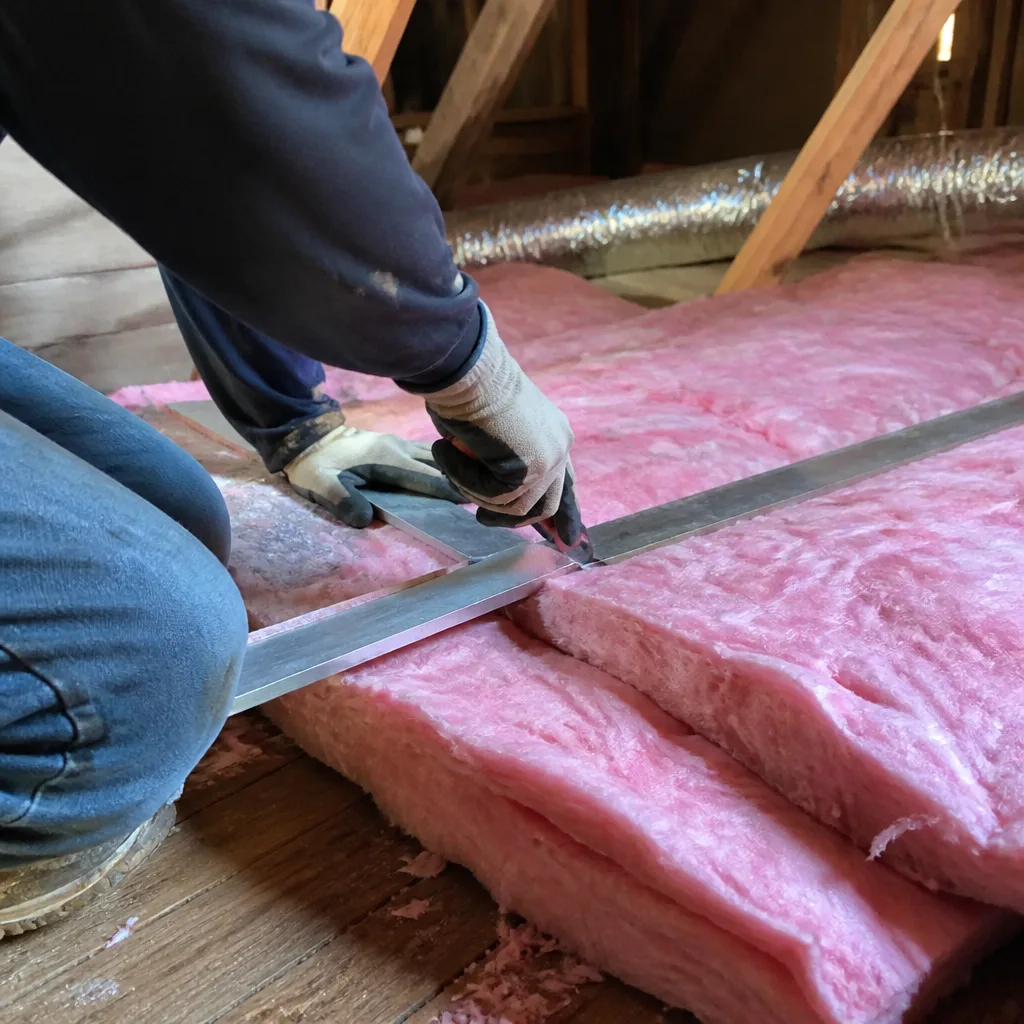
Batt insulation still has a place in Lake Los Angeles, particularly in newer stick-built homes with regular joist spacing and adequate attic height. We install CertainTeed fiberglass batts when the cavity geometry supports full contact with the drywall ceiling - no gaps, no compression, no wind-wash at the edges. In Lake Los Angeles’s persistent valley winds, a batt that loses contact with the ceiling is a batt that’s not insulating. We verify contact before we leave, and we document it in your photo record.
Attic Insulation Top-Up
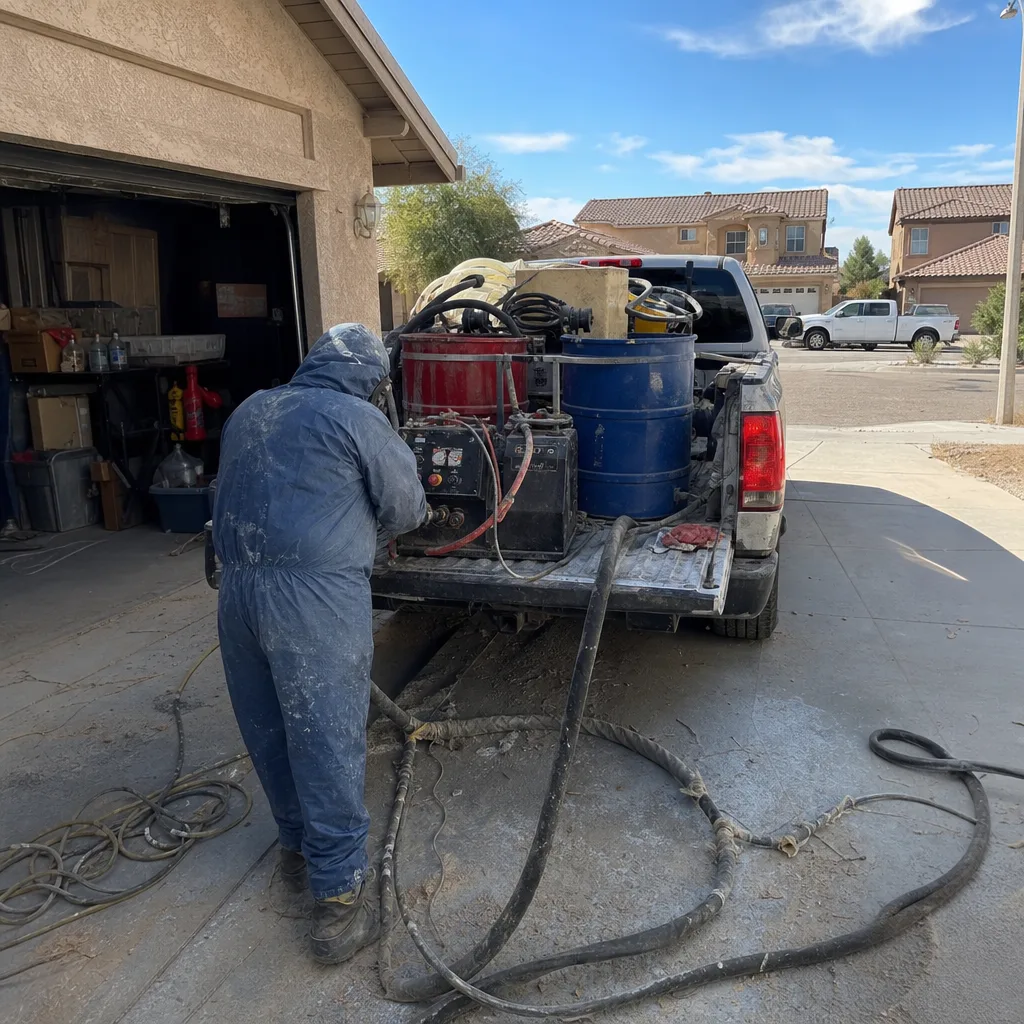
Top-ups are common in Lake Los Angeles because so many homes here were built with minimal original insulation - R-11 or less in the speculative-lot era - and homeowners want to add depth without stripping the attic bare. We don’t do blind top-ups. Our crew inspects first: we pull back existing material at multiple points to check for moisture staining, rodent activity, and whether the original batts have compressed or lost contact with the ceiling. If the existing layer is clean and the attic is sealed, we’ll blow new material over it to the depth your home’s thermal load requires. If it’s not clean or not sealed, we’ll tell you why a full replacement is the honest spec.
Attic Insulation Replacement
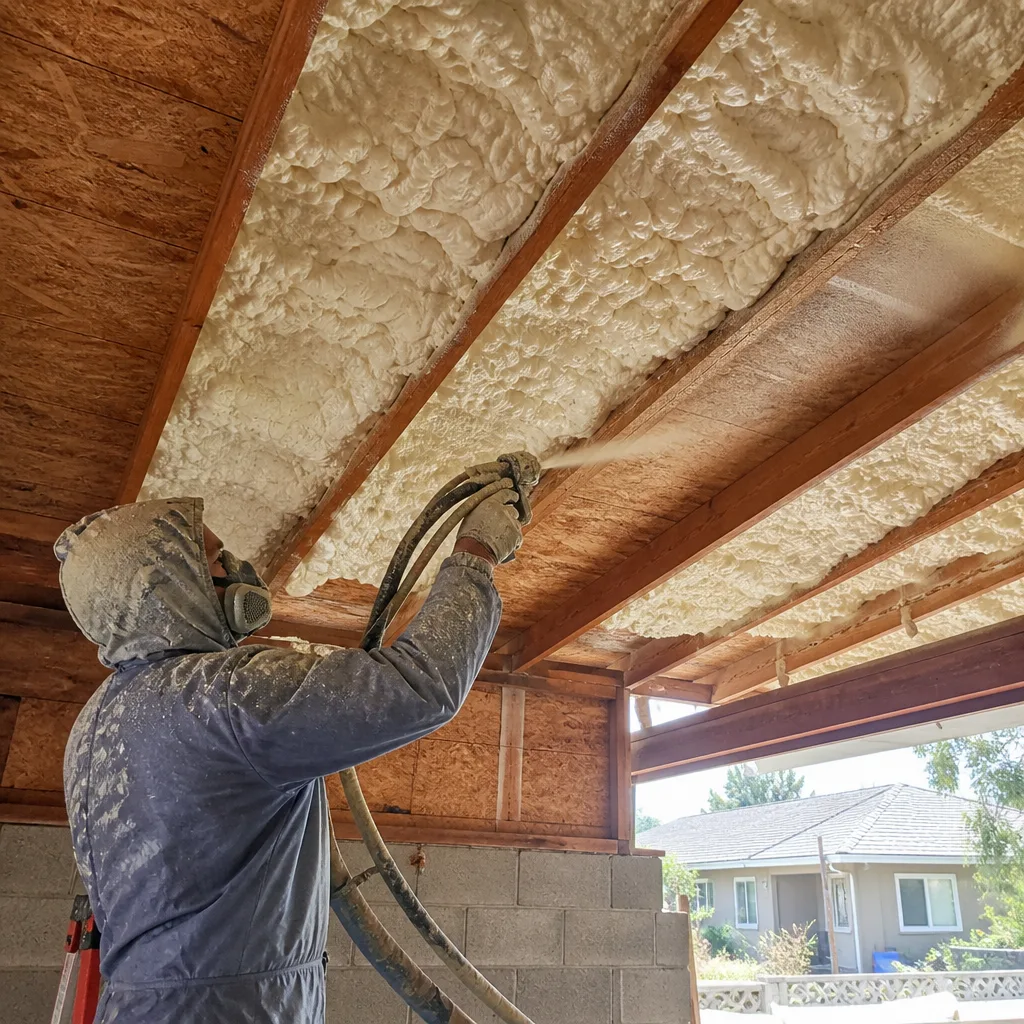
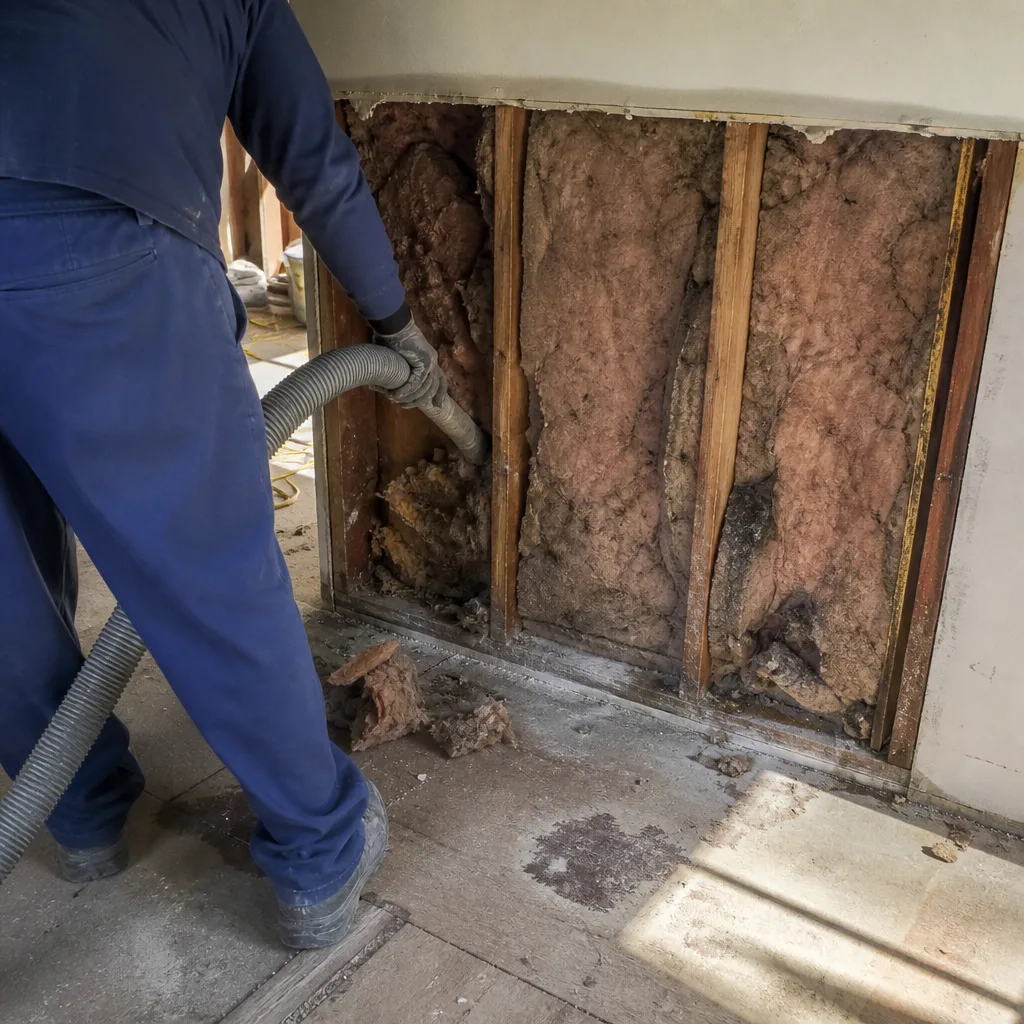
Full replacement is the right call for many Lake Los Angeles homes, especially the 1950s-70s owner-built stock where original batts have collapsed, compressed, or been contaminated by roof leaks or rodent activity. We remove the failed material, seal every top plate and penetration with foam, install baffles for ventilation, then blow new insulation to a uniform depth. The result is documented with before-and-after blower-door numbers so you can verify the air-sealing performance in writing.
Attic Baffles & Ventilation Prep
Attic baffles - the channels that keep soffit vents open as insulation depth increases - are non-negotiable in Lake Los Angeles. The Antelope Valley’s temperature swings create powerful stack effect pressure: hot air rising in summer, cold air falling in winter. Without baffles, that pressure pulls insulation away from the eaves and creates thin spots that fail first. We install baffles at every soffit vent before adding any insulation, and we verify they’re seated correctly before we blow. This is standard on our Attic Insulation jobs, not an upsell.
What happens when you call
- 1
A real person answersNo phone trees - you reach a local pro.
- 2
You get an upfront price rangeHonest numbers before anyone is dispatched.
- 3
A background-checked tech heads outLicensed & insured, dispatched right away.
- 4
You approve before work beginsNothing starts until you say go.
 Before
 After
AfterTrusted Brands We Service in Lake Los Angeles
We source materials from Owens Corning, Johns Manville, Knauf, CertainTeed, Icynene, Demilec, and GreenFiber - no proprietary product lock-in, so we specify what your home actually needs rather than what a manufacturer contract requires. For Lake Los Angeles’s dual thermal load, we typically specify Owens Corning blown fiberglass for attic floors and CertainTeed batts for regular cavities where the geometry supports full contact. Demilec open-cell spray foam is available for complex air-sealing applications where batt or blown-in won’t achieve the necessary seal at top plates and penetrations. We stock standard materials locally for fast turnaround, and we carry the full range of baffle types to fit every soffit vent configuration we encounter in Antelope Valley housing stock.
Common Attic Insulation Problems We See in Lake Los Angeles Homes
- Wind-driven infiltration through unsealed top plates and can-lid penetrations strips out attic R-value even when the insulation depth looks adequate. The valley wind finds every gap, and in Lake Los Angeles that wind blows hard and often. We seal first, then insulate - in that order, every time.
- Speculative-lot 1950s-70s owner-built homes often have no attic air barrier at all, so batts sag, compress, and lose contact with the drywall ceiling. Once contact is broken, the batt is doing almost nothing. We see this on Avenue O, on 170th Street East, and throughout the older sections of the community.
- Manufactured-home attic cavities are shallow and irregular, so a one-size blown-in depth spec leaves thin spots at the eaves that fail first in both summer heat and winter freezes. We measure cavity depth at multiple points and adjust our blow rate accordingly - no uniform-depth guesswork.
- Manufactured home skirting frequently gaps or warps in the harsh wind and temperature cycles, leaving underfloor insulation exposed to the elements and reducing its effective R-value dramatically. This is a failure mode a West LA contractor would almost never encounter, but it’s routine in Lake Los Angeles. We inspect skirting condition as part of our full-envelope assessment.
Pricing for Attic Insulation in Lake Los Angeles, CA
A typical blown-in attic insulation job in Lake Los Angeles runs $1,800-$3,400 for a 1,200-1,500 square foot home with standard cavity geometry and accessible attic space. Attic batt insulation in regular joist cavities runs $2,200-$4,000 for the same footprint. Attic insulation top-up, where existing material is clean and the attic is already sealed, typically runs $1,200-$2,400. Full attic insulation replacement - remove, seal, reinstall - runs $2,800-$5,200 depending on contamination level and cavity complexity. Manufactured homes with shallow, irregular cavities often fall at the lower end of material cost but higher end of labor due to access difficulty.
What moves the number: attic square footage, cavity depth and irregularity, whether existing material must be removed, whether air sealing is needed at top plates and penetrations, and whether rodent damage or moisture contamination requires remediation. We give you a flat, written price before any work starts - Haven Standard Clause 1 - and we offer a Free Second Opinion on any competing written estimate. Call (661) 403-4467 for your exact number; estimates are free.
We Also Serve Cities Near Lake Los Angeles
Our crews run regular routes through the Antelope Valley and also serve Lake Los Angeles neighbors in Palmdale, Desert View Highlands, Quartz Hill, and Acton. Scheduling and dispatch are coordinated from our Los Angeles office, with local crews serving each community.
Serving Lake Los Angeles, CA - Our Local Coverage Area
We’re based in the Lake Los Angeles area and know this community well. Use the map below to see our service coverage - if you’re nearby, we can almost certainly help.
FAQs - Attic Insulation in Lake Los Angeles
Because Lake Los Angeles sits at ~2,700 feet on the Antelope Valley floor, attic insulation here must be sized for a dual load - 100°F+ summer attic temps that cook blown fiber and sub-freezing winter nights that demand full R-value retention - the opposite of the one-sided cooling design coastal LA contractors default to. The wind that sweeps the valley floor also drives attic air infiltration through every unsealed top plate and can lid gap, so air-sealing is as load-bearing as the R-value itself. We engineer for both directions. Call (661) 403-4467 for a spec review of your home.
Probably not, and we’ll show you why before we quote. Most 1960s owner-built homes in Lake Los Angeles were constructed with no air barrier at the attic floor, so the original batts have sagged, compressed, or lost ceiling contact - and previous owners often stacked new over old without sealing the gaps. We pull back material at inspection to check. If the existing layer is clean and the cavity is sealed, a top-up works. If not, we’ll quote replacement with proper air sealing so you don’t pay twice. Estimates are free; call (661) 403-4467.
The persistent high winds across the valley floor pressurize the attic space and drive air through any gap in the building envelope - unsealed top plates, can light penetrations, chimney chases, duct boots. That moving air strips heat from insulation in winter and injects heat in summer, a process called wind-wash. Even a thick insulation layer performs like a thin one if the wind blows through it. We stop the wind first with foam sealing, then add insulation. The before-and-after blower-door numbers on every applicable job prove the difference.
We work on manufactured homes, mobile homes, and stick-built structures throughout Lake Los Angeles - manufactured housing is a significant share of the local stock, and we’re familiar with the shallow cavities, irregular geometry, and skirting-related underfloor issues specific to these buildings. We adjust our blow rates and material specs for cavity depth, and we inspect skirting condition as part of our assessment. Call (661) 403-4467 to schedule.
Look for three things: batts that have lost contact with the ceiling (you’ll see gaps or sagging), dark streaking on insulation near soffits or penetrations (indicates air infiltration carrying dust), and any thin spots at the eaves where wind may have scoured material away. Don’t disturb anything you suspect contains asbestos - many 1950s-70s homes in Lake Los Angeles have vermiculite or early fiberglass that should be tested first. If you see any of these conditions, call us for a professional inspection; we’ll document what we find and give you a written price to fix it.
Written by Wes Okafor, Owner at Topside Attic Insulation Palmdale, serving Lake Los Angeles since 2016.