
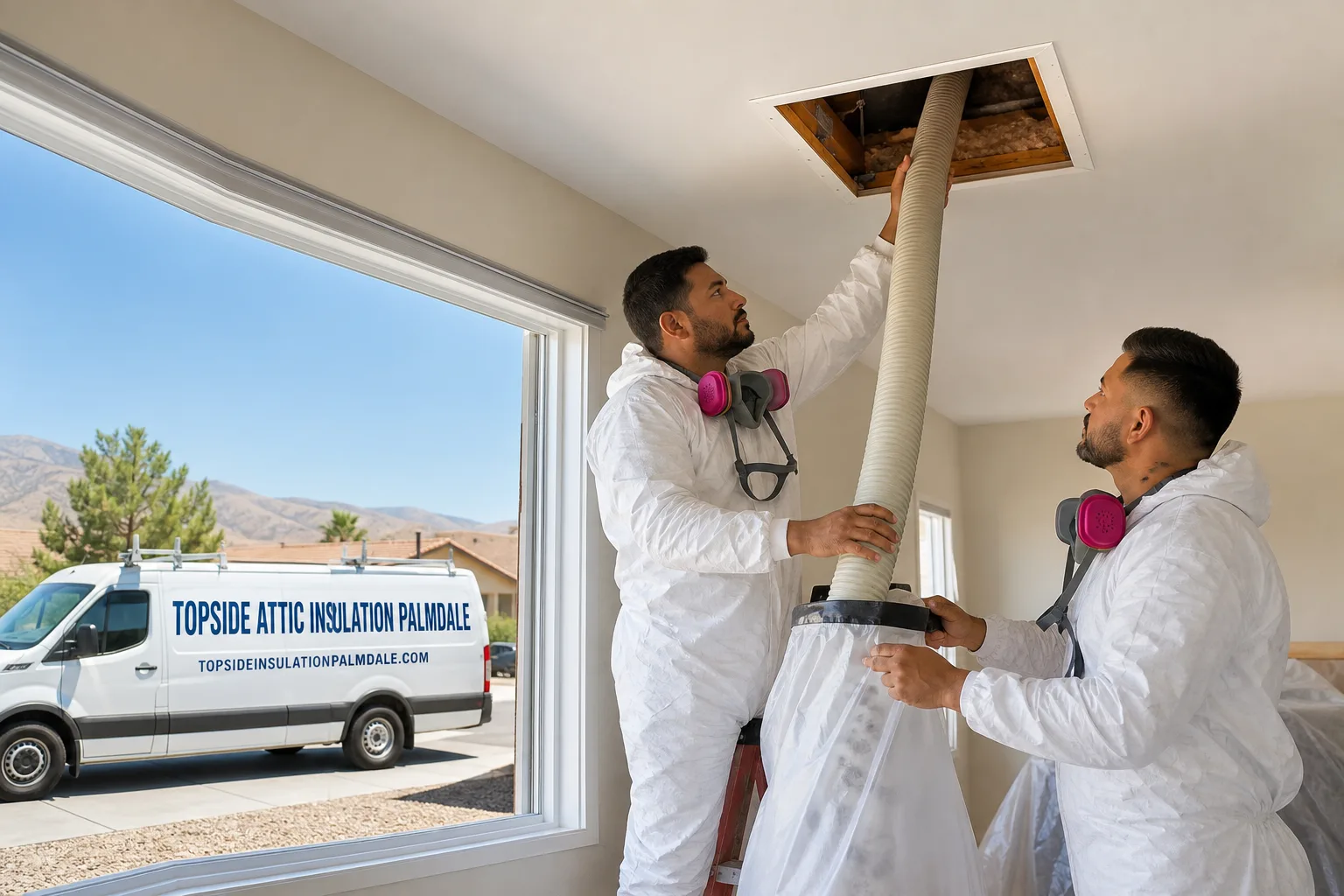
Fast, Reliable Spray Foam Insulation Across Littlerock
Spray foam insulation in Littlerock typically runs $2.80-$6.50 per board foot depending on open-cell or closed-cell product, and most attic jobs on a standard ranch home fall between $4,200 and $8,900 total. We’re usually on-site in Littlerock within 24-48 hours of your call, with crews dispatched from our Los Angeles office and routed directly to Antelope Valley jobs. If your ranch home off Pearblossom Highway or East Avenue T still has the original compressed batts from the 1960s, we start every project with a written price, a documented photo record, and a blower-door test so you can see exactly what you’re losing before we seal a single gap. Call (661) 403-4467 - a live person answers, 24/7.
Why Topside Attic Insulation Palmdale Is Littlerock’s Preferred Spray Foam Insulation Company
We’ve worked on enough Littlerock homes to know the difference between a coastal LA attic and what we find out here. The Antelope Valley’s 35-45°F daily temperature swings, 100°F-plus summer afternoons, and below-freezing January dawns punish insulation that wasn’t specified for both extremes. Our crews have removed contaminated fiberglass from ranch homes near Littlerock High, sealed open-eave soffit vents on 1970s construction along 87th Street East, and sprayed roof decks in manufactured home communities where thin-wall envelopes demand a lighter touch.
Our reviews from Littlerock customers consistently mention two things: we show up when we say we will, and we leave documentation behind. Under Haven Standard, you get a named technician, a text when they’re en route, and a written scope with your flat price before anyone lifts a tool. The 365-Day Done Right Promise applies to every job - if it’s not right, we make it right. We’ve sealed and insulated 9,000+ homes since 2016, and every one started with that written price and ended with a documented record.
Response time to Littlerock is typically next-day or same-week, not the two-week callback windows common with crews routing from the San Fernando Valley. We know the local building department’s requirements for unincorporated LA County parcels, and we’ve worked with the rural electrical and plumbing configurations that show up in Littlerock’s agricultural-era housing stock.
Our Spray Foam Insulation Services in Littlerock
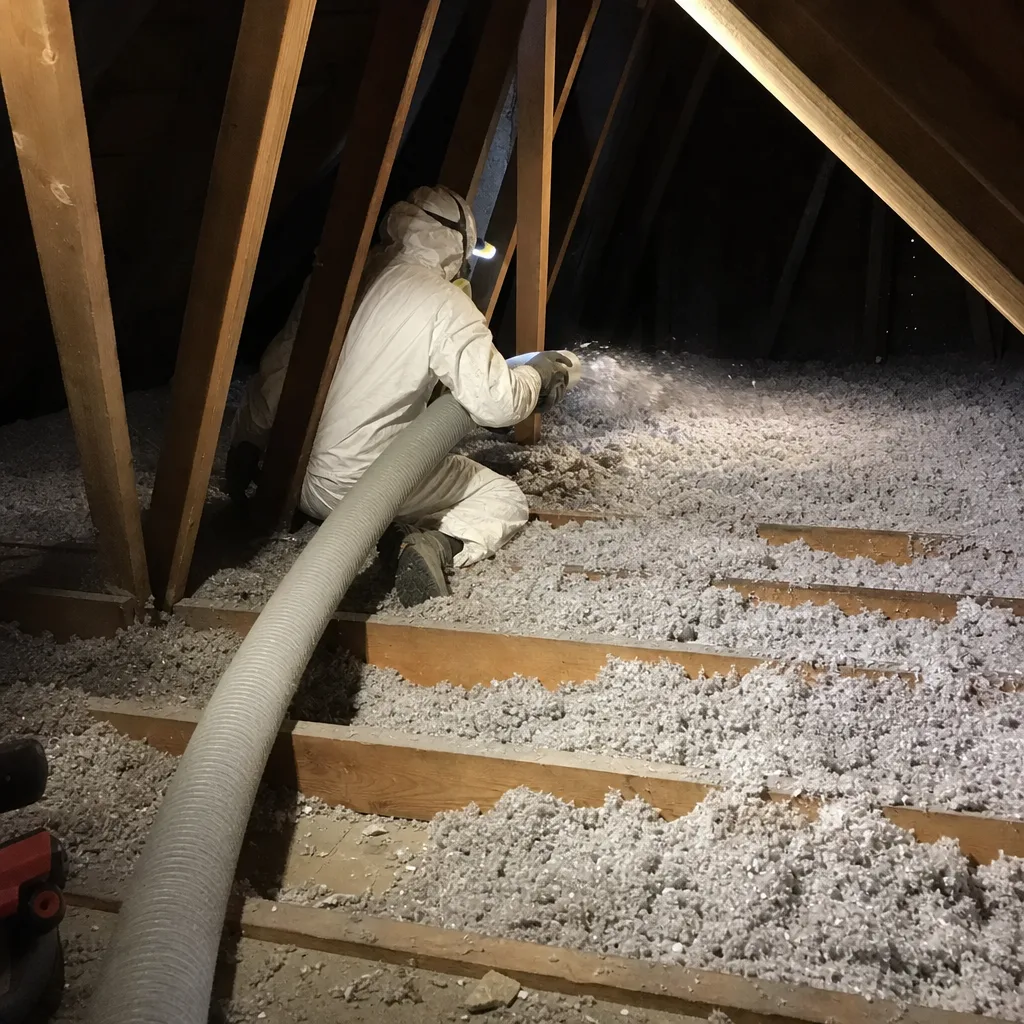
Closed-Cell Spray Foam
Closed-cell spray foam is our default recommendation for Littlerock roof decks and exterior walls where R-value per inch matters and the material needs to act as its own air barrier. At roughly 6.5 R-value per inch, it delivers the thermal resistance needed for Antelope Valley’s dual-extreme climate without eating up the shallow 2×4 rafter bays common in 1950s-1970s Littlerock ranch construction. We source closed-cell products from Demilec and CertainTeed, applied in lifts that prevent overheating and shrinkage during cure. On a recent job near Longview Road, we sprayed 3 inches of closed-cell on a roof deck that had been hitting 150°F in July - the homeowner’s August electric bill dropped 34% against the prior year.
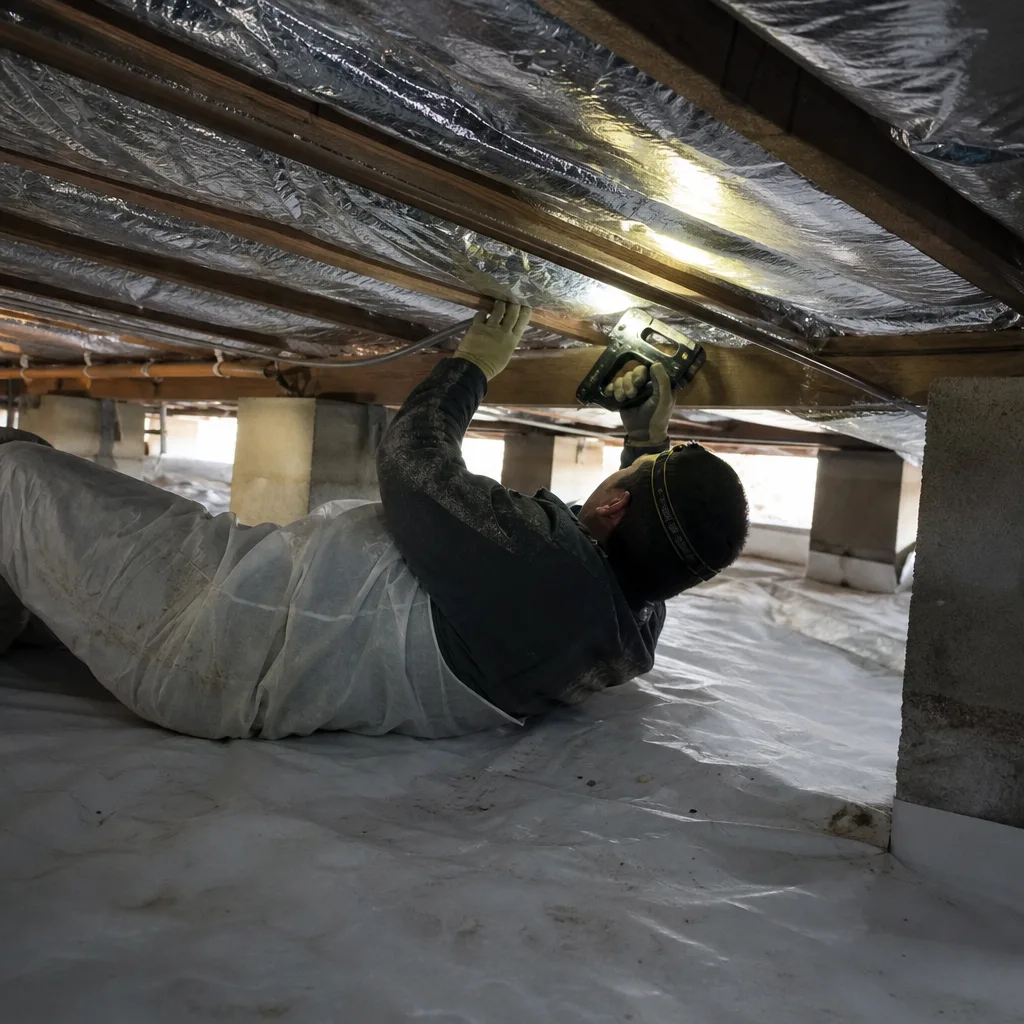
Open-Cell Spray Foam
Open-cell spray foam runs lighter and more flexible at roughly 3.5 R-value per inch, and we use it in Littlerock for interior gable walls, garage ceilings, and any application where we need the foam to breathe with seasonal wood movement. It’s not a moisture barrier, which is exactly why it works in older ranch homes with residual humidity migration patterns we don’t want to trap. Our Spray Foam Insulation team pairs open-cell with closed-cell in hybrid assemblies - closed-cell at the roof deck for thermal blocking, open-cell at the walls for cost efficiency and acoustic dampening. We specify Icynene open-cell for Littlerock jobs where low-density expansion won’t stress aging framing.
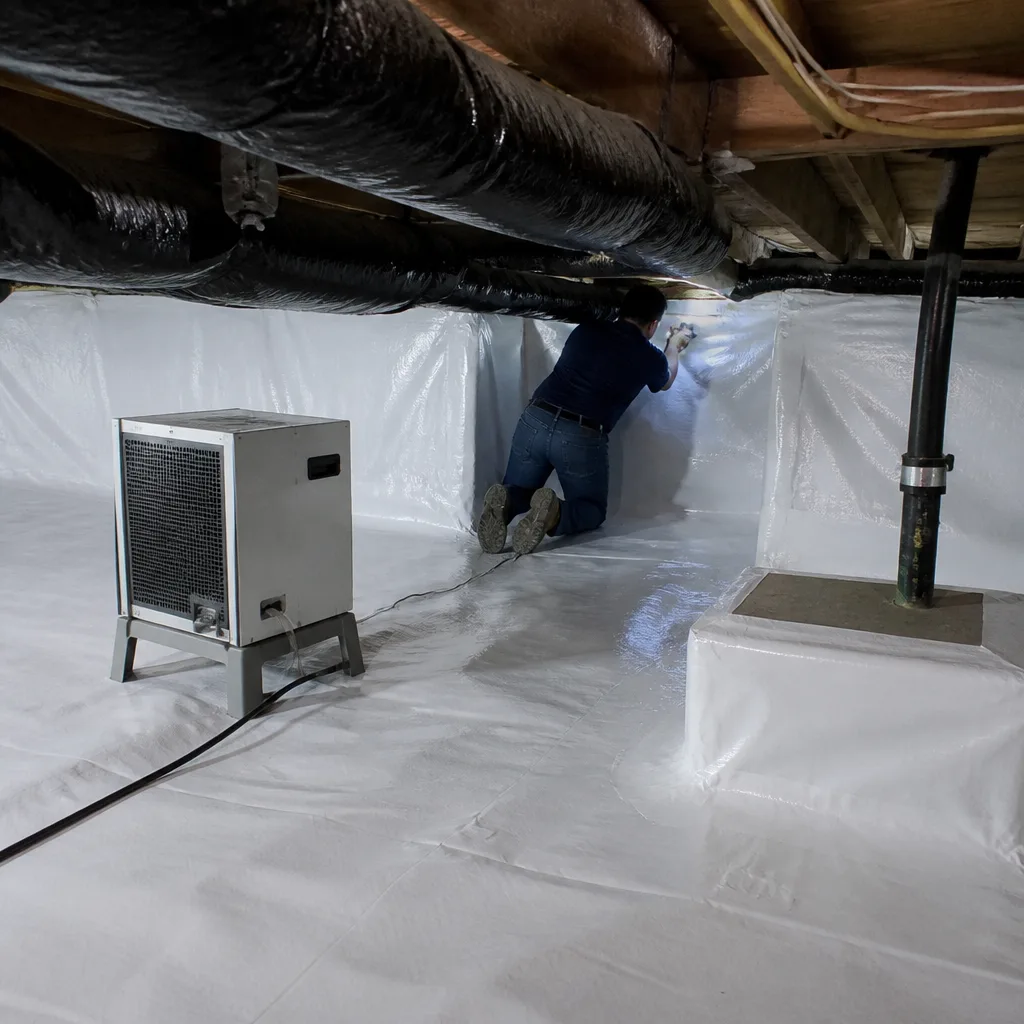
Spray Foam Roof Deck
Unvented attic conversions are the single most impactful upgrade we perform in Littlerock, and they start at the roof deck. By spraying foam directly to the underside of the roof sheathing, we convert the attic from a ventilated 150°F oven into a conditioned buffer zone that stays within 10°F of the living space below. This matters enormously in Littlerock, where original ranch homes were built with open-eave venting that dumps desert air directly into the attic cavity. We seal those soffit vents first - always - then spray the deck. The result: your HVAC equipment and ductwork stop fighting ambient attic temperatures, and your ceiling registers blow air at the temperature your thermostat actually requested.
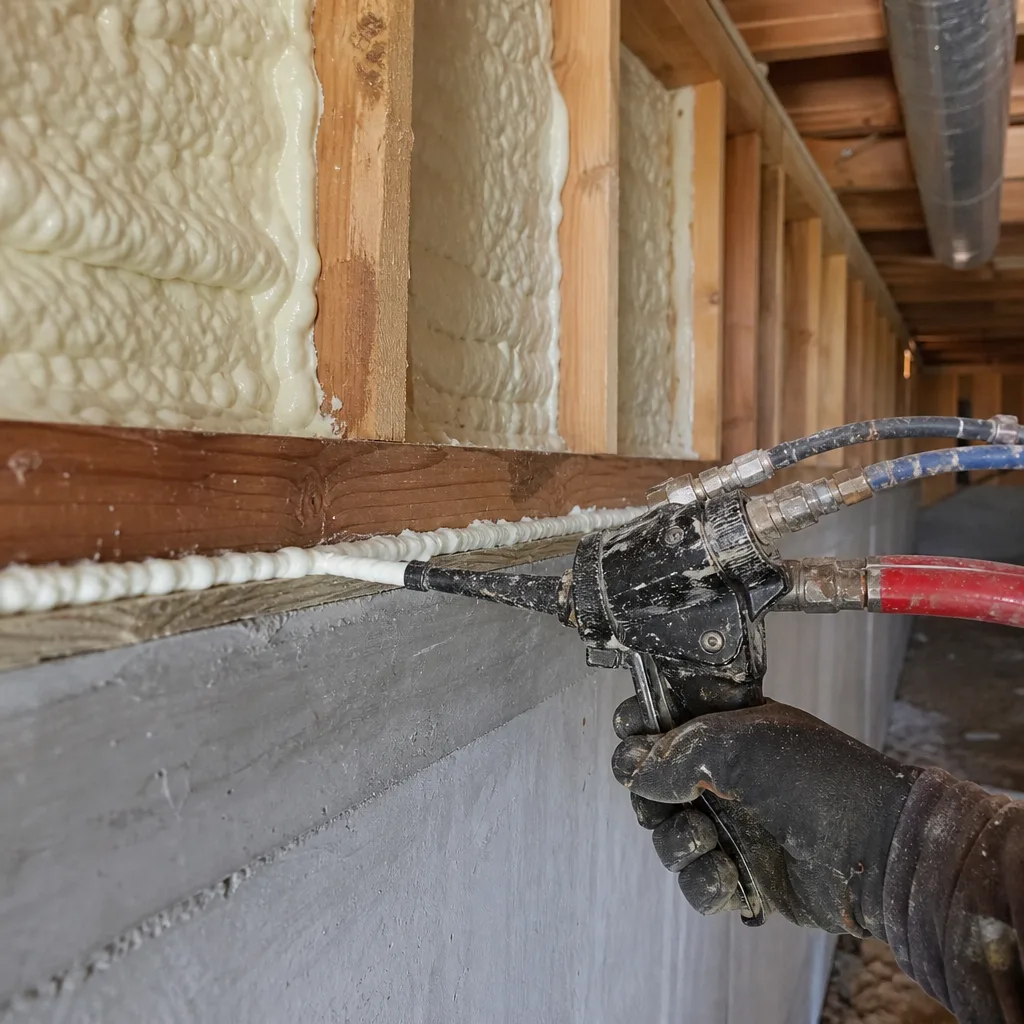
Rim Joist Spray Foam
Rim joists are the perimeter band where your foundation walls meet your floor system, and in Littlerock’s older homes they’re often completely unsealed - a straight shot for 100°F summer air and below-freezing winter drafts to enter the conditioned envelope. We spray closed-cell foam into these cavities to create a continuous thermal and air barrier at the foundation level. On pier-and-beam and raised-slab construction common in rural LA County parcels, this one detail can eliminate the cold-floor complaints that persist even after attic insulation is upgraded.
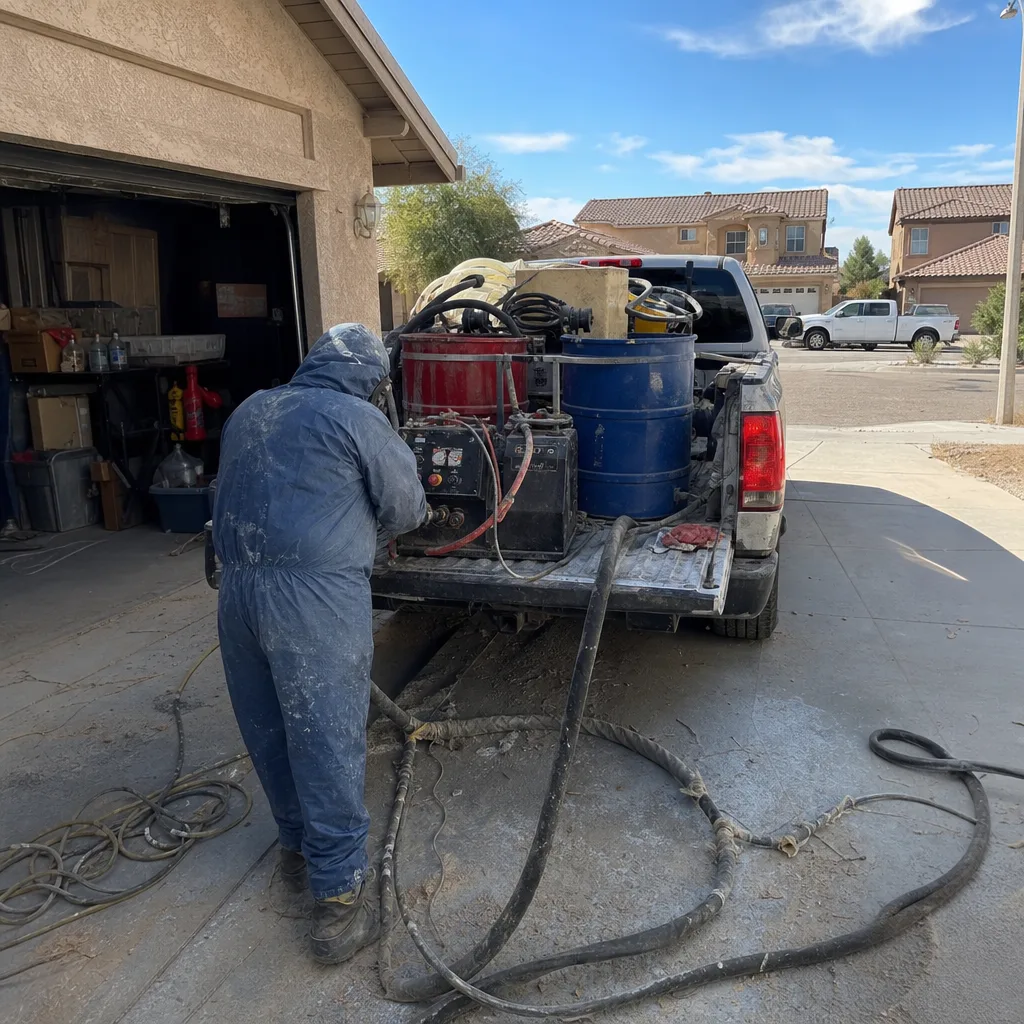
Garage Ceiling Spray Foam
Attached garage ceilings in Littlerock are a frequent thermal bridge - uninsulated drywall or open framing that lets 120°F garage air bake the bedroom above it. We spray open-cell foam against the garage ceiling to create an R-13+ thermal break with acoustic benefits, so your bedroom floor stops radiating heat upward from the garage below. This is especially relevant for Littlerock homes where the garage was converted from a carport in the 1980s or 1990s with no attention to the thermal envelope above.
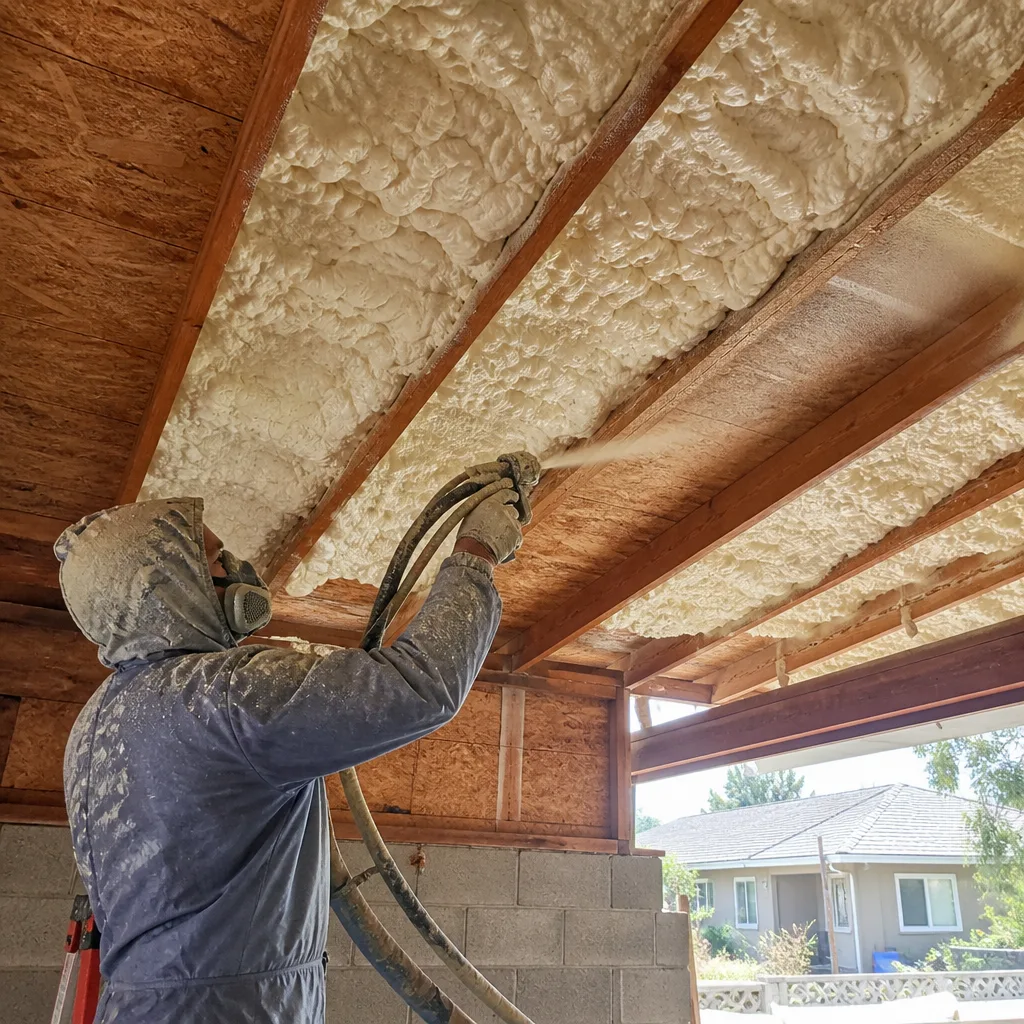
What happens when you call
- 1
A real person answersNo phone trees - you reach a local pro.
- 2
You get an upfront price rangeHonest numbers before anyone is dispatched.
- 3
A background-checked tech heads outLicensed & insured, dispatched right away.
- 4
You approve before work beginsNothing starts until you say go.
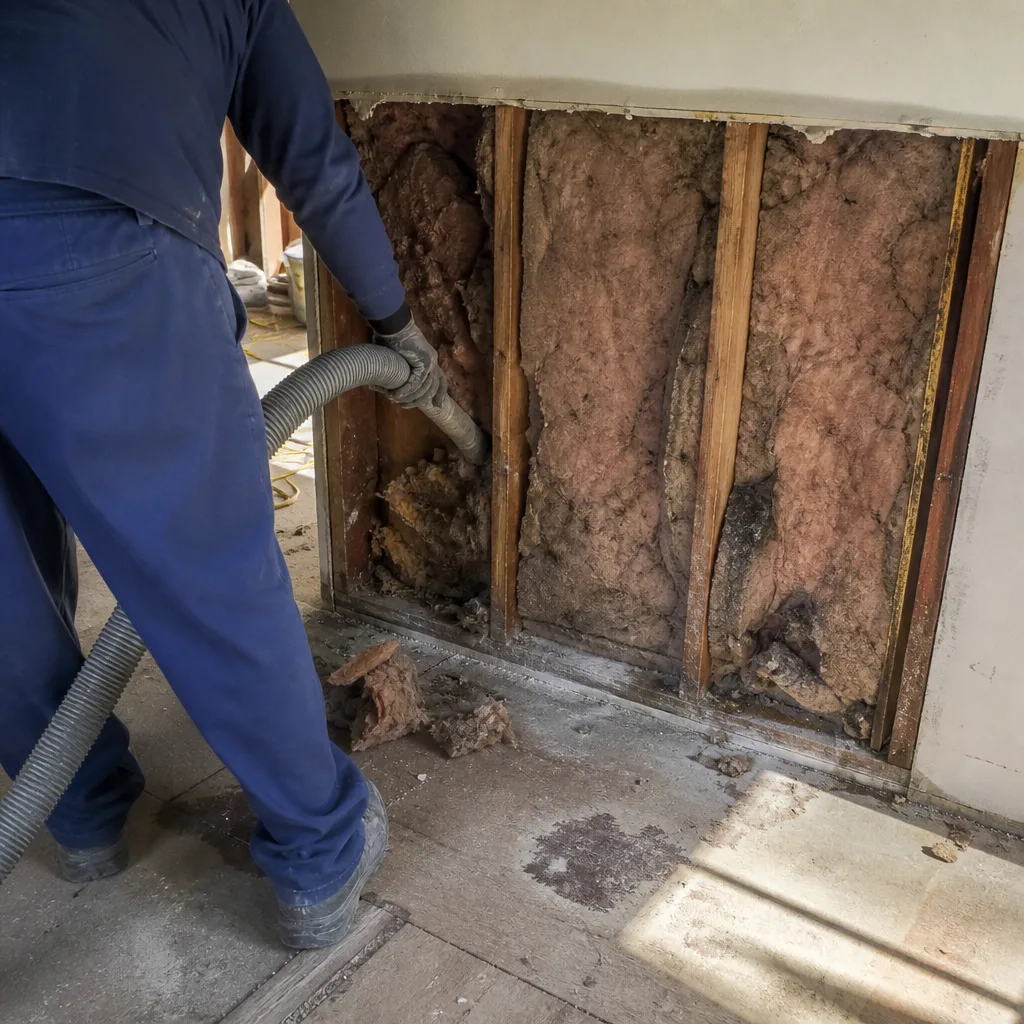 Before
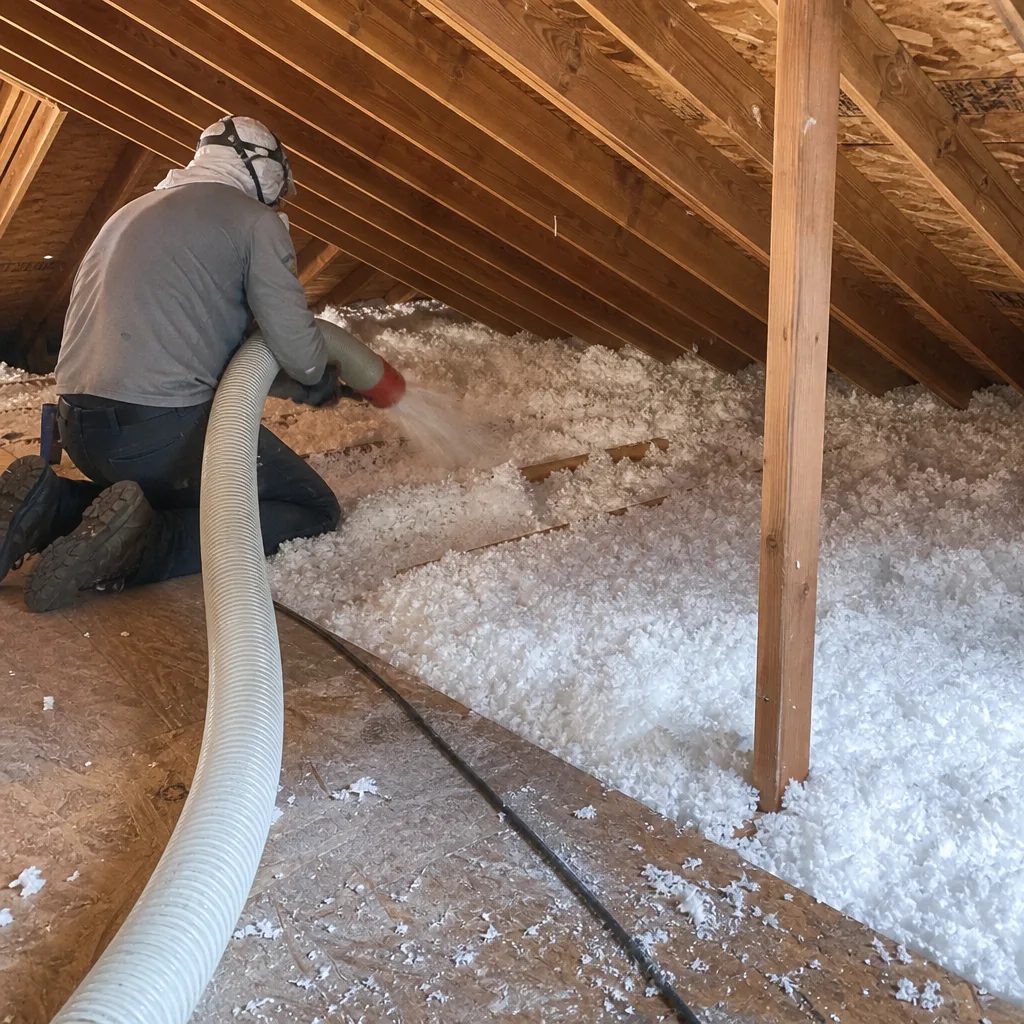 After
AfterTrusted Brands We Service in Littlerock
We don’t lock you into proprietary products. Our Littlerock crews stock and install spray foam systems from Icynene, Demilec, and CertainTeed - three manufacturers with proven performance in high-desert, wide-temperature-cycling climates like the Antelope Valley. Each job specification includes the product name, density, and intended R-value in your written scope, so you know exactly what was sprayed and where. Because we maintain local material inventory routed through our Los Angeles supply chain, turnaround on Littlerock jobs isn’t held up by special-order delays. If a specific product makes sense for your roof deck, wall assembly, or manufactured home substrate, we’ll specify it in writing and explain why - no brand pushed without justification.
Common Spray Foam Insulation Problems We See in Littlerock Homes
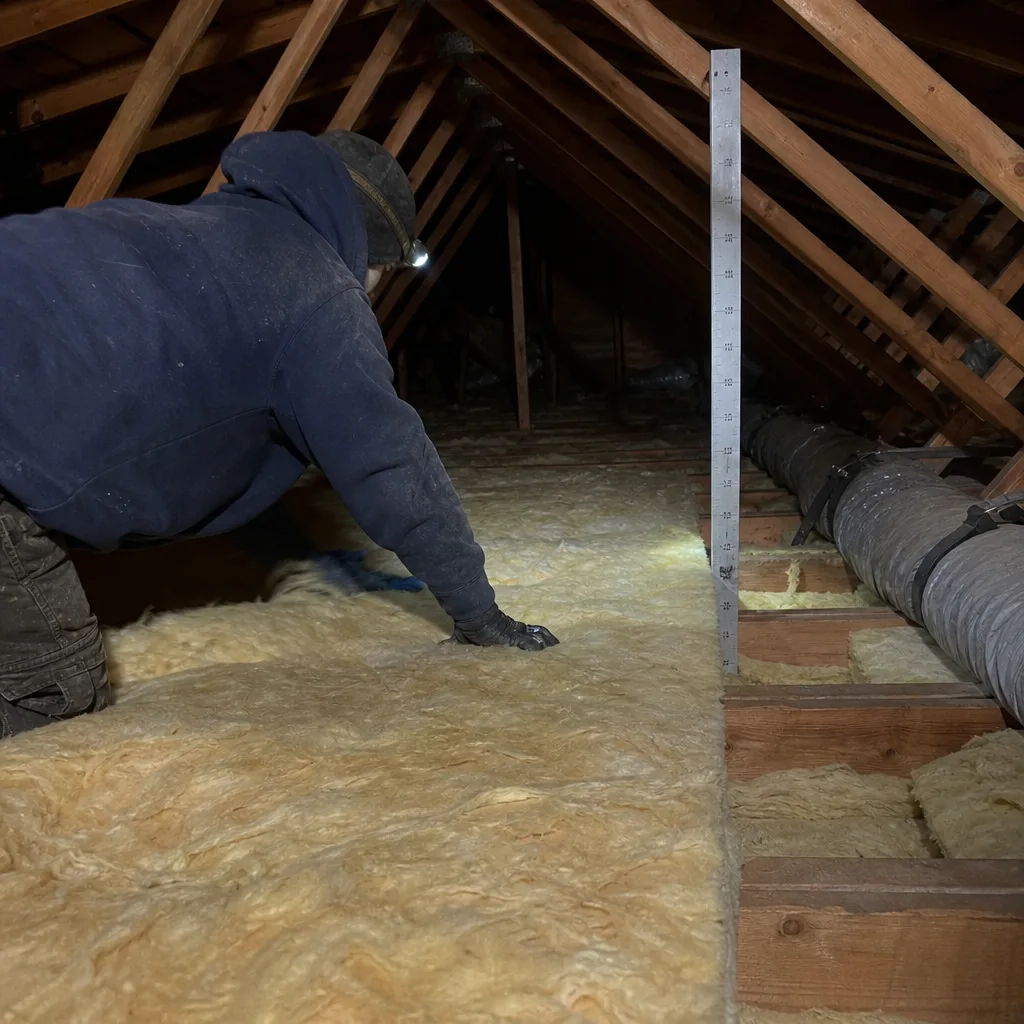
- Compressed, contaminated original batts. On a ranch home off East Avenue T near Littlerock High, our crew opened an attic and found 1960s batts compressed to an inch, rodent tunnels through the paper facing, and August roof-deck temps pushing past 145°F. We removed the contaminated fiberglass, sealed the open-eave soffit vents, and installed closed-cell spray foam on the roof deck with open-cell on the gable walls, cutting the attic from a 40°F swing to under 8°F overnight. The homeowner called back in January saying the back bedroom no longer hit freezing at dawn.
- Open-eave venting causing foam adhesion failures. Antelope Valley ranch homes with original soffit vents allow 100°F-plus July attic air and near-freezing January air to cycle directly against spray foam at the roof deck. If we don’t seal those vents first and verify with a blower-door test, the thermal shock causes shrinkage, cracking, and delamination within two to three seasons. We see this on competitor jobs where foam was sprayed without air-sealing prep.
- Manufactured home wall panels cracking under foam expansion pressure. Mobile and manufactured homes in and around Littlerock have thin-wall envelopes and flex-prone substrate panels. Standard closed-cell expansion pressures can crack the OSB or gypsum backing, creating gaps that defeat the insulation entirely. We specify lower-density open-cell or reduced-lift closed-cell with substrate prep for these structures.
- UV-degraded roof decks compromising foam attachment. Decades of desert sun through loose or missing shingles can degrade the plywood or OSB sheathing itself. We inspect every roof deck before spraying - if the substrate is punky or delaminated, we document it in your photo record and recommend repair before foam application. Foam bonded to failing wood fails with it.
Pricing for Spray Foam Insulation in Littlerock, CA
| Service | Typical Range in Littlerock |
|---|---|
| Open-cell spray foam (attic, per board foot) | $2.80 - $4.20 |
| Closed-cell spray foam (roof deck/walls, per board foot) | $4.50 - $6.50 |
| Standard ranch home attic (1,200-1,800 sq ft floor) | $4,200 - $8,900 |
| Roof deck only (unvented attic conversion) | $3,800 - $7,400 |
| Manufactured home (thin-wall, reduced lift) | $2,900 - $5,600 |
| Rim joist sealing (perimeter foundation) | $1,400 - $2,800 |
| Garage ceiling (attached, standard 2-car) | $1,800 - $3,400 |
What moves you within these ranges: existing insulation removal (standard on most Littlerock jobs with 1960s batts), roof deck repairs, accessibility of the attic or crawl space, and whether we’re converting from a vented to unvented assembly. Every Littlerock job begins with a written price - flat, itemized, no work starts without your signature on the scope. Bring us any competing written estimate; we offer a Free Second Opinion and will walk through the specification line by line. Call (661) 403-4467 for your written estimate - estimates are free, and a live person answers.
We Also Serve Cities Near Littlerock
Our crews route regularly from Littlerock to Spray Foam Insulation in Littlerock and surrounding Antelope Valley communities including Palmdale, Acton, Lancaster, and Altadena. Each city gets the same Haven Standard treatment: written price first, documented photo record at completion, and before-and-after blower-door numbers on every applicable job.
Serving Littlerock, CA - Our Local Coverage Area
We’re based in the Littlerock area and know this community well. Use the map below to see our service coverage - if you’re nearby, we can almost certainly help.
FAQs - Spray Foam Insulation in Littlerock
No. We remove them first. Those original batts are compressed to an inch or less, contaminated with rodent activity, and UV-degraded from decades of desert sun exposure. Spraying foam over them traps the contamination, hides the compression gaps, and guarantees you’ll be paying twice. Our standard Littlerock scope includes full removal, HEPA vacuuming of the deck, and a photo-documented clean surface before any foam goes in. Call (661) 403-4467 and we’ll show you what we found on the last three ranch homes we opened - estimates are free.
Yes. Coastal LA’s mild marine climate lets contractors get away with lower-density products and simpler assemblies. Littlerock’s 35-45°F diurnal swings and seasonal extremes demand closed-cell foam with confirmed low-temperature flexibility ratings and roof-deck applications that can handle 150°F surface temps without degassing or shrinkage. We specify Demilec and CertainTeed products tested for high-desert cycling, not the same SKUs we’d use in Santa Monica. Your written scope will note the temperature rating of every product specified.
Yes, with the right product and thickness plan. Manufactured homes in Littlerock have flex-prone wall panels and thinner substrate OSB that can’t handle standard closed-cell expansion pressure. We specify low-density open-cell or reduced-lift closed-cell (applied in thinner passes with longer cure intervals) and we prep the substrate with a bonding primer where the manufacturer recommends it. We’ve sprayed dozens of manufactured homes in rural LA County without a single callback for cracking. Your written scope will specify the exact product density and lift thickness before work starts.
It matters enormously, and it’s the detail that separates a lasting job from a two-season failure. Those vents were designed to dump hot attic air in a pre-air-conditioning era, but they also dump freezing January air and 100°F July air directly against any foam at the roof deck. We seal every soffit vent with rigid blocking and closed-cell foam, verify the seal with a blower-door test, and only then spray the roof deck. Skip this step and you’ll see shrinkage, cracking, and delamination. We don’t skip it. Call (661) 403-4467 for a written scope that includes this sequence explicitly.
Repair is rarely worth it here. Littlerock’s original agricultural-era ranch homes were built before Title 24 energy codes, so “repair” means adding new material over compressed, contaminated, undersized batts that never met modern standards in the first place. We recommend full removal and spray foam when: your attic has pre-1980s fiberglass, you’ve had rodent activity, your roof deck hits 140°F in summer, or your back bedroom drops below 60°F on January mornings. The blower-door test we perform at estimate will quantify your exact air leakage in CFM50 - a single number that makes the decision obvious. Call (661) 403-4467 for your free estimate and blower-door reading.
Written by Wes Okafor, Owner at Envelope Insulation Co., serving Littlerock under The Haven Standard since 2016.