
CertainTeed Attic Air Sealing: The Palmdale Owner’s Guide
We stock and install CertainTeed-compatible attic air sealing components for Palmdale homes, with most completed jobs running between $1,200 and $2,800 depending on attic square footage and existing penetration count. Same-day service is available when we have your configuration in stock, which covers most CertainTeed systems we see in the Antelope Valley. Homeowners usually discover the problem when their summer electric bill jumps $80-$150 over the previous year despite no thermostat change, or when they notice hot attic air pushing down through can-light trim in rooms that used to stay cool until 4 p.m.
Which CertainTeed Models This Applies To
CertainTeed’s attic air sealing components fall into two product families: the IntelliSeal series (2012-2019, identifiable by the blue polypropylene backing and the “IS-” prefix on roll labels) and the current TrueSeal line (2020-present, gray woven-fiber facing with “TS-” codes). The critical compatibility gotcha is the adhesive chemistry: IntelliSeal used a butyl-based compound that degrades above 135°F, which matters in Palmdale attics that sit at 140°F for four months straight. TrueSeal switched to a silicone-modified acrylic rated to 180°F, but the two systems cannot be layered over each other without full removal first.
We also stock quality aftermarket equivalents from Reflectix for homeowners who need a faster turnaround on discontinued IntelliSeal SKUs. The OEM-versus-aftermarket decision here is straightforward: if your rebate or warranty documentation specifies CertainTeed material by name, stick with OEM. If not, Reflectix’s UL-listed equivalents install to the same ASTM E84 spec and carry the same Class A fire rating at roughly 15% lower material cost. To identify what you have, check the attic-side label on the sealing membrane or the written scope from your original insulation contractor. If neither exists, we measure the existing material thickness (IntelliSeal is 25 mil, TrueSeal is 40 mil) and test the adhesive residue with a simple solvent swipe.
Signs Your CertainTeed Attic Air Sealing Is Failing
- Hot spots on your ceiling during afternoon hours. When the butyl adhesive in IntelliSeal systems thermocycles through Palmdale’s 50°F winter lows and 140°F attic peaks, it re-emulsifies and loses grip at top plates. The seal pulls back from framing edges, and conditioned air escapes upward while attic heat radiates downward through the gap. You’ll feel it first in rooms with cathedral or vaulted sections where the ceiling drywall is closest to the attic membrane.
- Dust streaks around can-light trim or register boots. These dark lines are filtered air leaks. Your HVAC system is pulling attic air through gaps that the sealing membrane used to cover, and the drywall acts as a filter. In Palmdale’s high-dust environment, these streaks appear within 18 months of seal failure and worsen every summer.
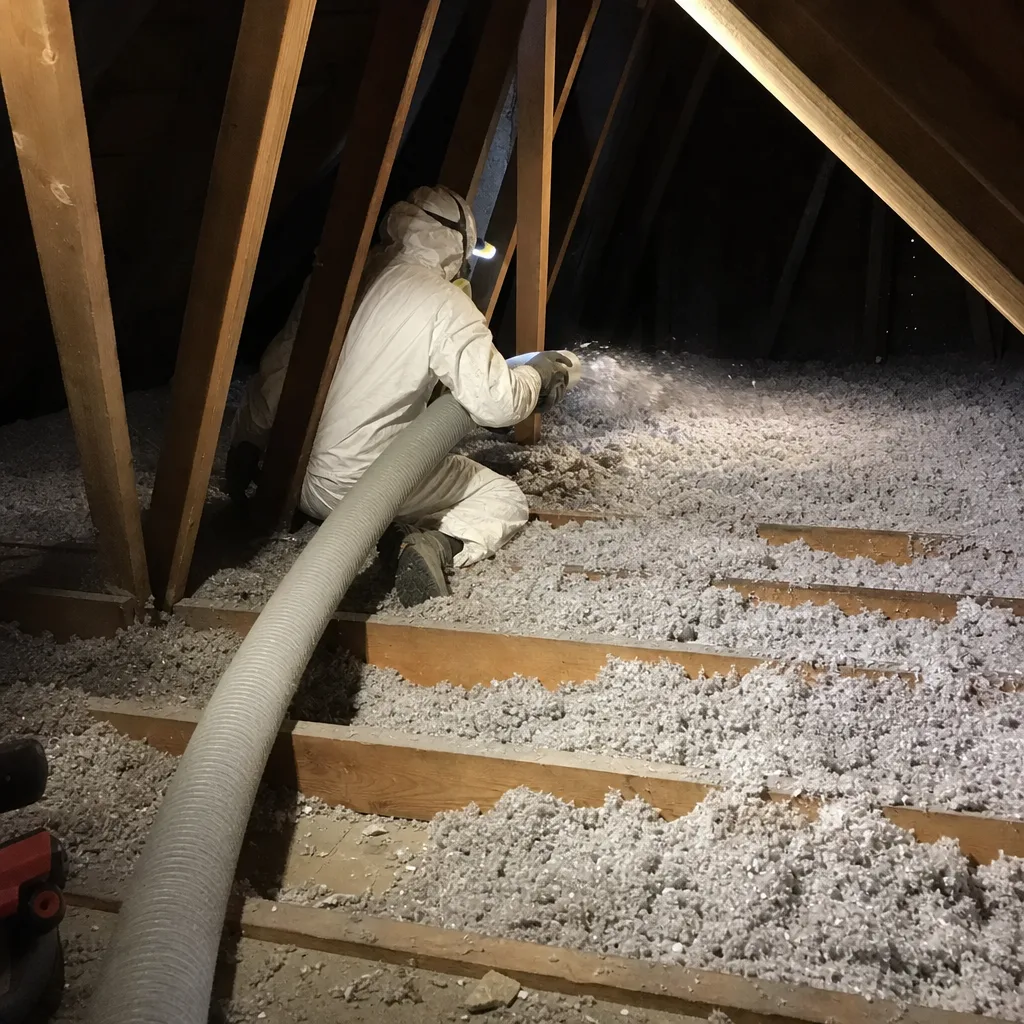
- Insulation that looks settled or disturbed directly above light fixtures. Failed seals create convection currents that lift and redistribute loose-fill insulation. If your attic has blown-in fiberglass or cellulose that has developed bare patches or ridges above electrical penetrations, the air sealing beneath it has likely detached.
- Ice damming or moisture staining in winter. Even in Palmdale’s mild winters, a failed attic seal lets warm, humid indoor air hit cold roof sheathing. The moisture condenses, and in January 2024 we documented this in three Rancho Vista homes where the CertainTeed seal had pulled back from plumbing vent stacks. The fix was resealing the penetration, not replacing the roof.
- Blower-door numbers that have regressed since original installation. If your home was tested at 2,800 CFM50 after sealing and now reads 3,600 or higher, the membrane has failed somewhere. We see this most often in homes built 2015-2018 where IntelliSeal was specified to Zone 3 R-values but installed in conditions closer to Zone 4 extremes.
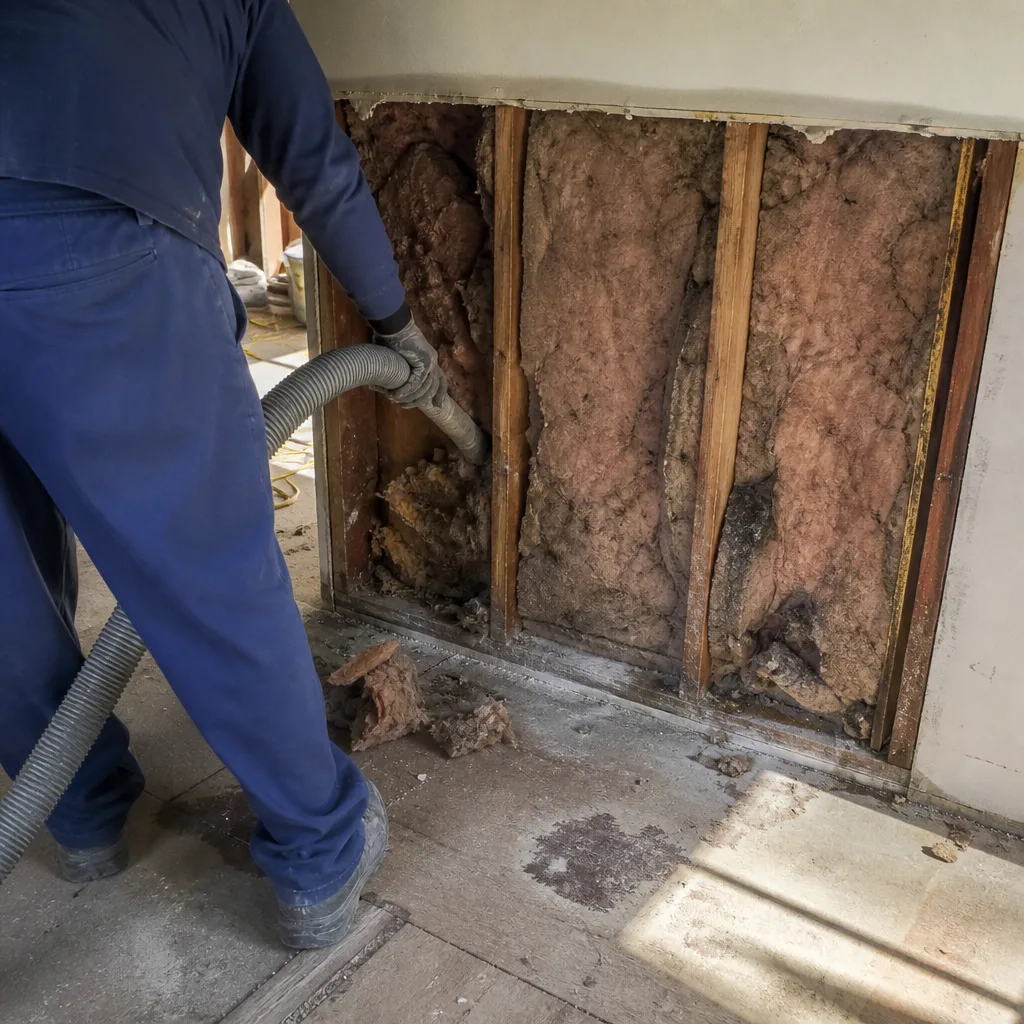 Before
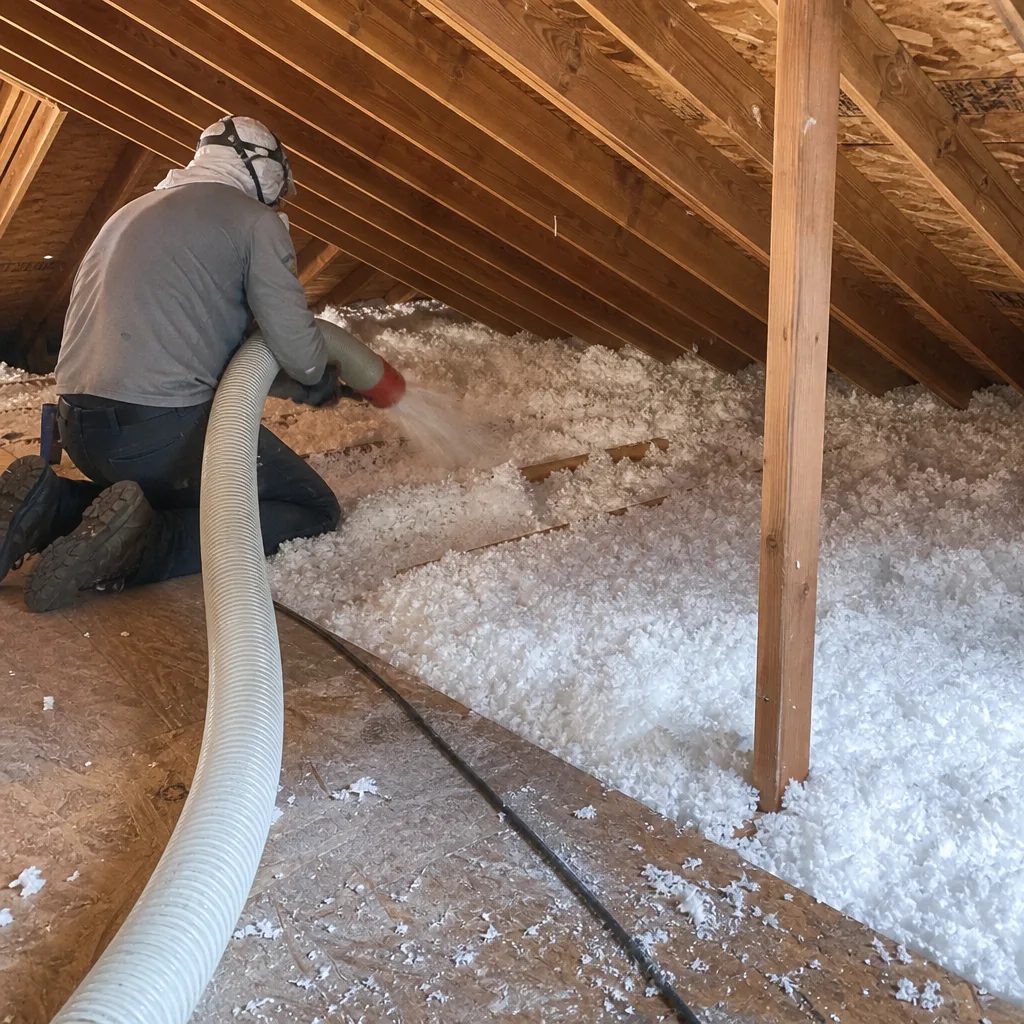 After
AfterReplacement Cost & What’s Included
Most CertainTeed attic air sealing replacements in Palmdale run $1,200-$2,800 installed. The table below breaks out what drives that range.
| Factor | Low Range ($1,200-$1,700) | Mid Range ($1,700-$2,200) | High Range ($2,200-$2,800) |
|---|---|---|---|
| Attic square footage | Under 1,000 sq ft | 1,000-1,800 sq ft | Over 1,800 sq ft or multiple attic zones |
| Penetration count | Under 15 (lights, vents, stacks) | 15-30 penetrations | 30+ or complex HVAC routing |
| Existing material removal | Partial, localized failure | Moderate degradation | Full IntelliSeal removal required |
| Access conditions | Standard scuttle or pull-down stair | Constricted opening | No access point, cutting required |
Every replacement includes: removal of failed material to substrate, surface prep and solvent cleaning, new membrane installation to CertainTeed or equivalent spec, and a post-installation blower-door test with printed CFM50 before-and-after report. Under our 365-Day Done Right Promise, if the blower-door number does not improve, we re-work at no charge. We source CertainTeed materials alongside Owens Corning, Johns Manville, Knauf, Rockwool, Icynene, Demilec, and GreenFiber - no proprietary lock-in, and we will show you the spec sheets side by side if you want to compare.
DIY or Call Us?
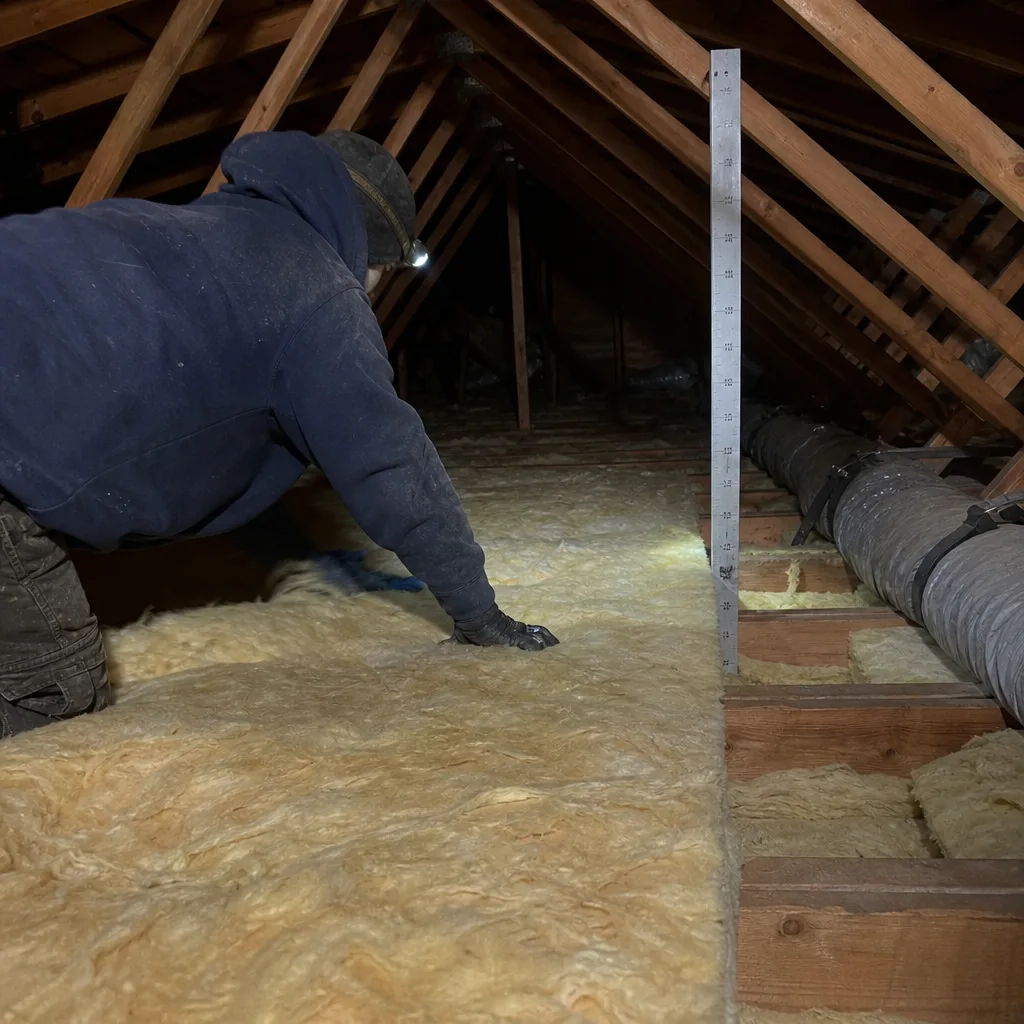
There is no dangerous tension or electrical hazard in attic air sealing itself, but there are three ways DIY goes wrong in Palmdale conditions. First, the adhesive activation temperature: butyl and acrylic compounds require 50°F+ substrate temperature to bond, and Palmdale attemps drop below that from November through February. Second, coverage gaps around top plates - the horizontal framing member where walls meet ceiling - are invisible from the attic floor and easy to miss without a systematic grid pattern. Third, most homeowners do not own a blower door to verify their work, so they discover the leaks next July when the bill arrives.
What you can safely check: look for lifted membrane edges around can lights and plumbing vents, and note any brand labels or thickness measurements you find. Photograph everything. Then call us at (661) 403-4467 with those details. We will tell you whether it matches a stock configuration or needs a custom order, and we will schedule a free estimate with a written price before any work starts - Haven Standard Clause 1, no exceptions.
FAQs
TrueSeal systems installed after 2020 typically last 15-20 years in Antelope Valley conditions; IntelliSeal systems average 8-12 years before adhesive degradation accelerates. The 140°F peak attic temperatures in Palmdale’s Rancho Vista and Quartz Hill areas shorten IntelliSeal lifespan by roughly 30% compared to cooler coastal Zone 3 markets. Call (661) 403-4467 for an exact assessment of your existing material - estimates are free.
Localized failures can be patched if the surrounding membrane still adheres firmly and passes a pull test. We cut back to sound material, feather the new seal, and retest. If the adhesive has degraded across more than 30% of the attic footprint or if IntelliSeal underlies TrueSeal, full replacement is the only code-compliant path. We will show you the pull-test results and explain which category you’re in before quoting.
Most residential jobs in Palmdale finish in one working day: 4-6 hours for attics under 1,500 square feet, 6-8 hours for larger or multi-zone layouts. We arrive with stock configurations for the 12 most common CertainTeed/Reflectix combinations, so custom ordering only adds a day if your system is unusual. The blower-door test and printed report take 45 minutes and happen last, after cleanup.
We carry TrueSeal TS-100 and TS-200 rolls, IntelliSeal IS-150 remnant stock for warranty-matched repairs, and Reflectix equivalents in 25-mil and 40-mil thicknesses. If your system uses a discontinued SKU or a custom width, we order direct and typically have it within 48 hours. Describe your label code or send a photo to (661) 403-4467 and we will confirm stock status before scheduling.
Topside Attic Insulation Palmdale is an independent service provider and is not affiliated with CertainTeed Corporation. We install CertainTeed-compatible materials alongside other major brands based on what your home’s spec and your documentation require.
Seal the leaks first. The insulation is just the last step. In Palmdale’s climate, that sequence is not preference - it is physics. Wes Okafor has documented the difference with blower-door readings in over 9,000 homes since 2016, and the pattern holds: homes sealed before insulating show 35-50% lower CFM50 numbers than homes where insulation was blown over unsealed top plates. We publish those numbers on every job so you can verify what you paid for.
Call (661) 403-4467 today. A live person answers 24/7. We will schedule your free estimate, deliver a written price before any work starts, and leave you with a documented photo record and printed blower-door report when the crew finishes. That is the Haven Standard, and it has been our only standard since 2016.
Written by Wes Okafor, Owner, Topside Attic Insulation Palmdale at Topside Attic Insulation Palmdale, serving Palmdale and nearby areas.