
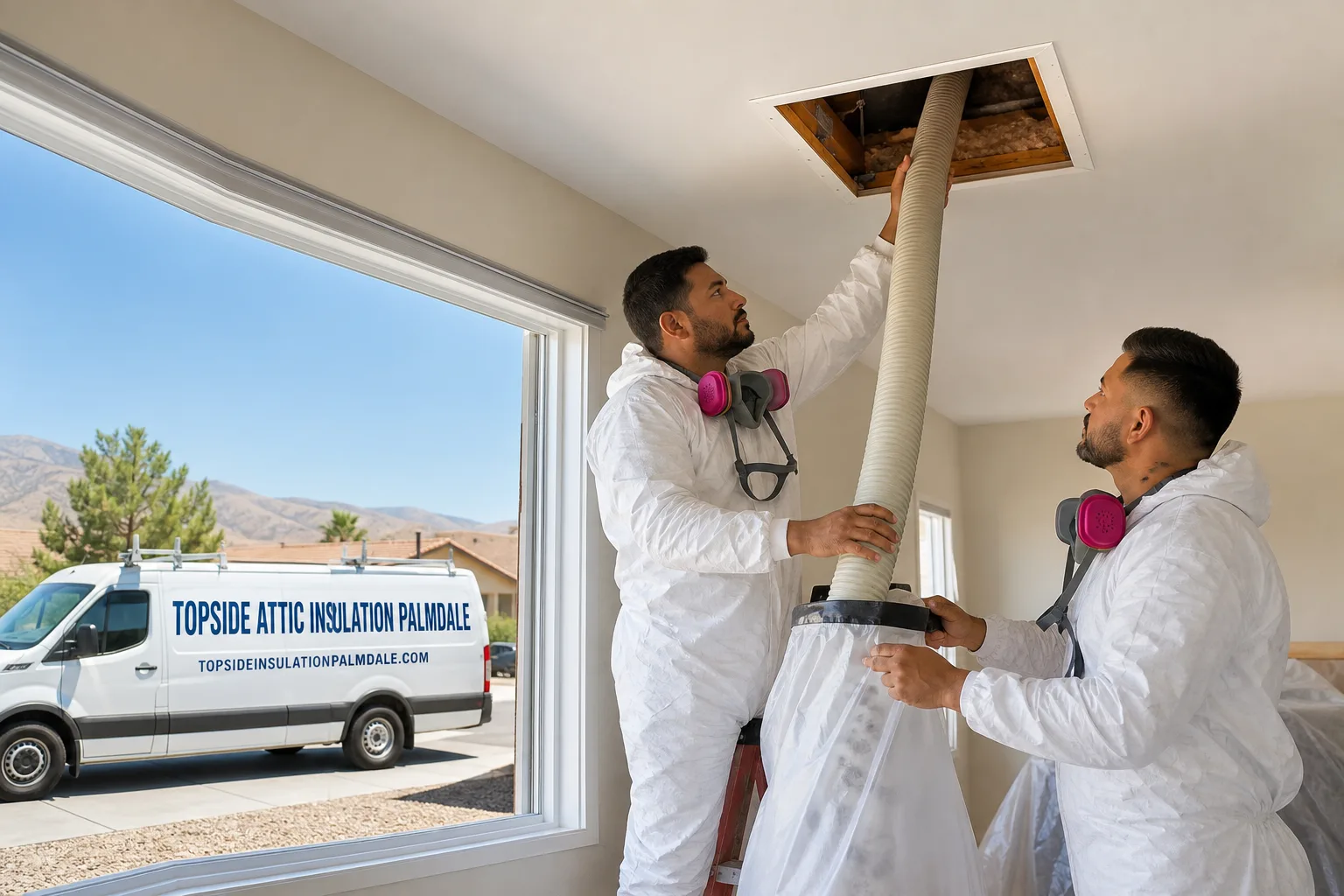
Fast, Reliable Blown-In Insulation Across Elizabeth Lake
Blown-in insulation in Elizabeth Lake typically runs $1,800-$4,200 for a standard attic, with dense-pack wall work in mid-century cabins adding $2,400-$5,600 more. Most jobs are scoped and started within 48 hours. Call (661) 403-4467 and a live person will pick up - no voicemail loops.
We’ve been driving up to Elizabeth Lake from our Los Angeles office since 2016, and the work here is different from the flatland jobs in Palmdale or Lancaster. The 3,000-foot elevation, the cold-air drainage pooling off the lake basin, the pier-and-beam manufactured homes with zero belly insulation - these aren’t footnotes. They’re the main event. Our crews know the difference between a cabin on the north slope near San Francisquito Canyon Road and a modular home off Elizabeth Lake Road, and we know which one has the disintegrated belly board that’s going to burst a pipe in January.
Why Topside Attic Insulation Palmdale Is Elizabeth Lake’s Preferred Blown-In Insulation Company
We’ve sealed and insulated over 9,000 homes since 2016, and enough of them have been in Elizabeth Lake that we keep spare rigid board and dense-pack hose lengths on the truck specifically for the pier-and-beam and mid-century cabin work this area demands. Reviews from Elizabeth Lake customers consistently mention two things: that we found air leaks their previous contractor missed, and that we showed them blower-door numbers - a pressurization reading that shows, in one figure, how much conditioned air the building envelope was losing - before and after the work.
Response time to Elizabeth Lake is typically same-day or next-morning. Dispatch coordinates from our Los Angeles office, but crews are already in the Antelope Valley most days. The lake basin’s cold-air drainage isn’t a theory to us. We’ve measured it. We’ve seen the 4,200 CFM50 readings drop to 2,100 after sealing top plates and can lights before blowing a single bag of cellulose. That’s the Haven Standard: sealed first, then insulated, with the numbers to prove it.
Our Blown-In Insulation Services in Elizabeth Lake
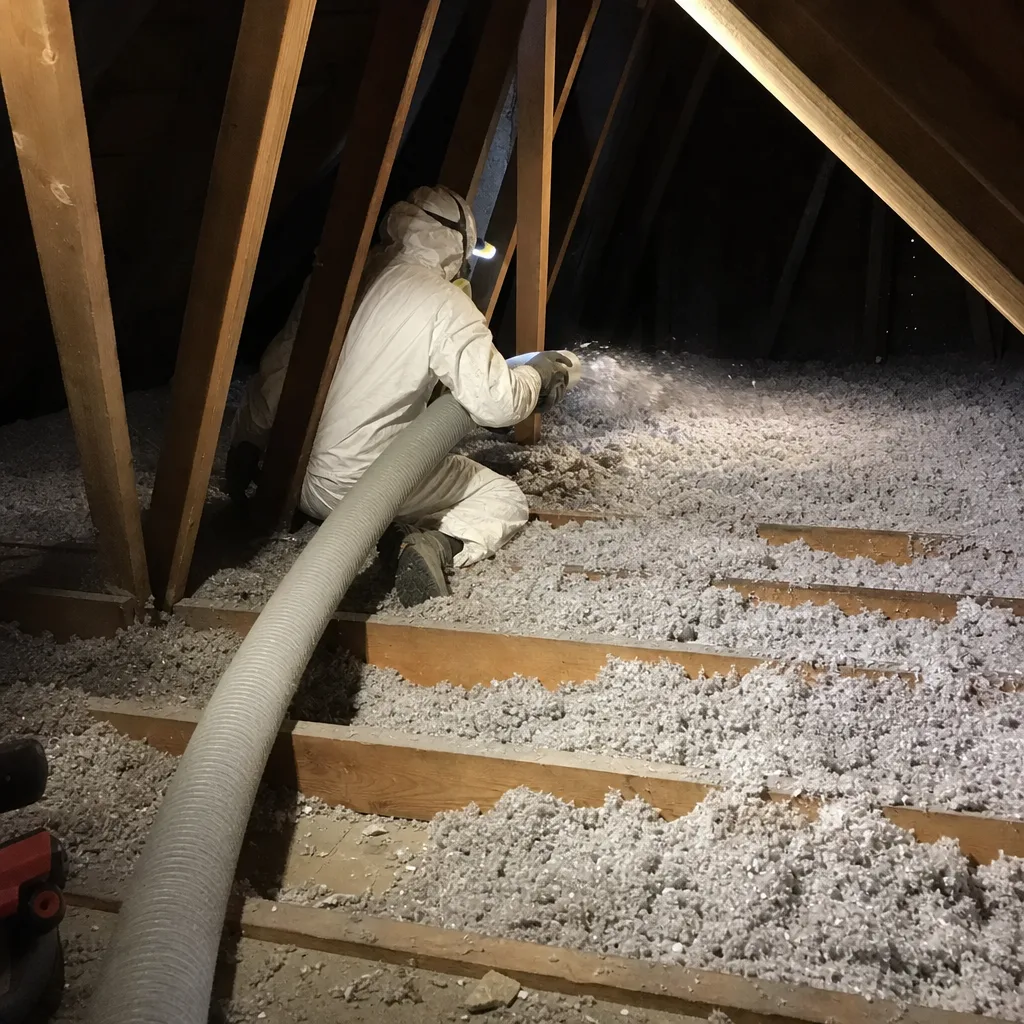
Blown-In Cellulose
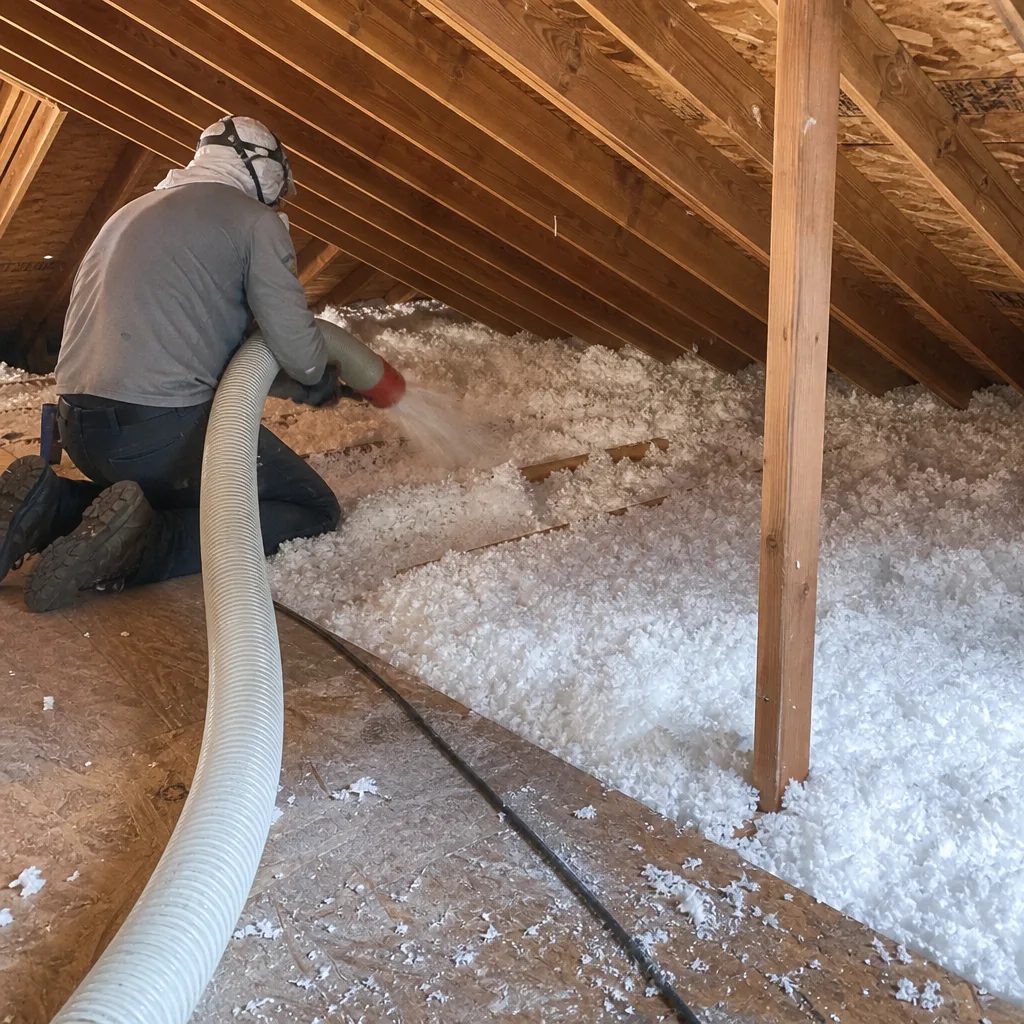
Cellulose is our default recommendation for most Elizabeth Lake attics, especially the loose-fill jobs in older cabins where the original insulation was minimal or nonexistent. The material is treated with borate for fire and pest resistance, which matters in a community with significant woodpecker activity and the occasional rodent migration from the surrounding National Forest land. We blow it to R-38 or higher, but only after we’ve sealed the top plates, can lights, and chimney chases - the air sealing that flatland crews often skip. In Elizabeth Lake, that skipped step means the 30-40°F daily temperature swing pulls moisture into the attic and compresses your new insulation within a single heating season.
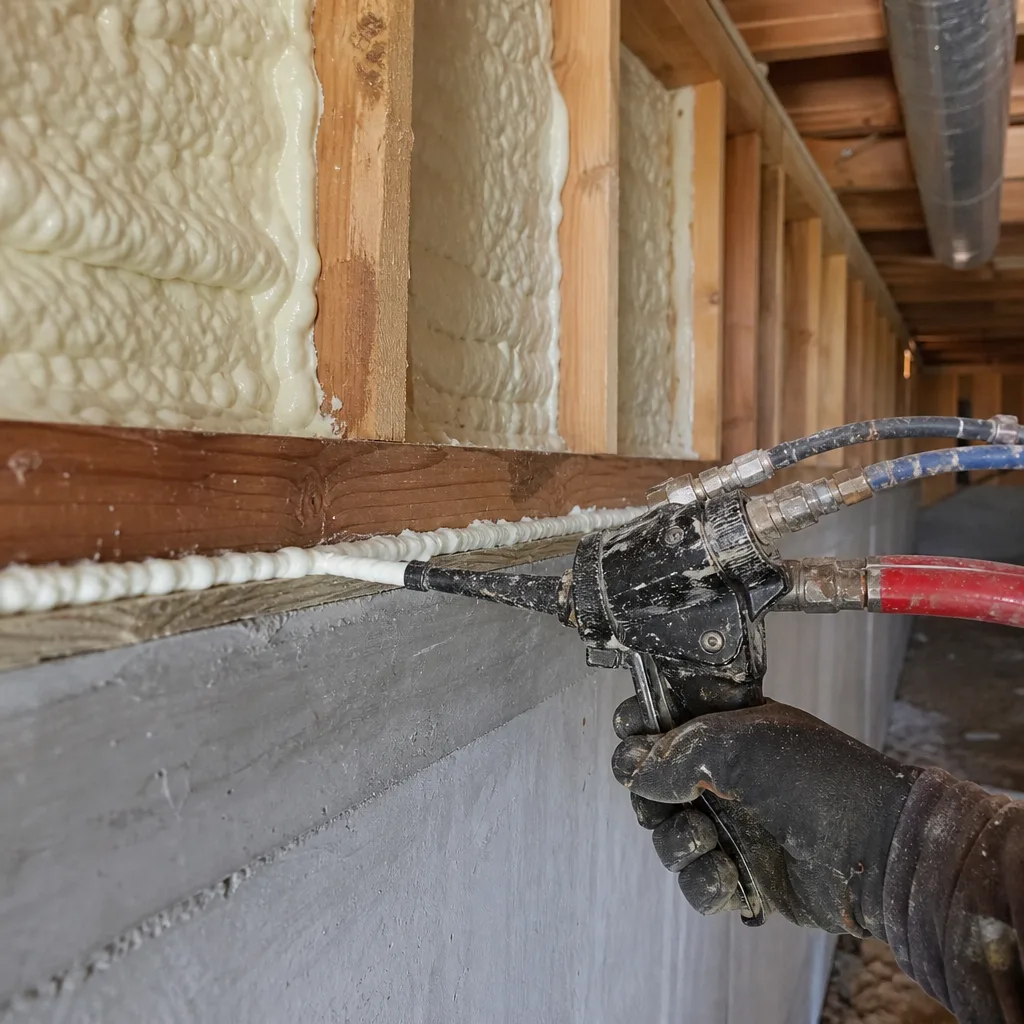
Blown-In Fiberglass
Fiberglass works well in Elizabeth Lake’s drier climate, and we use it for top-up jobs where the existing insulation is in decent shape but has settled below R-30. It’s also our choice for dense-pack wall cavities in mid-century cabins where we need material that won’t absorb moisture if the wall sheathing has gaps. We source from Owens Corning and Johns Manville, among others - no proprietary lock-in, so you get the right product for the condition of your specific home, not whatever our supplier is pushing this quarter.
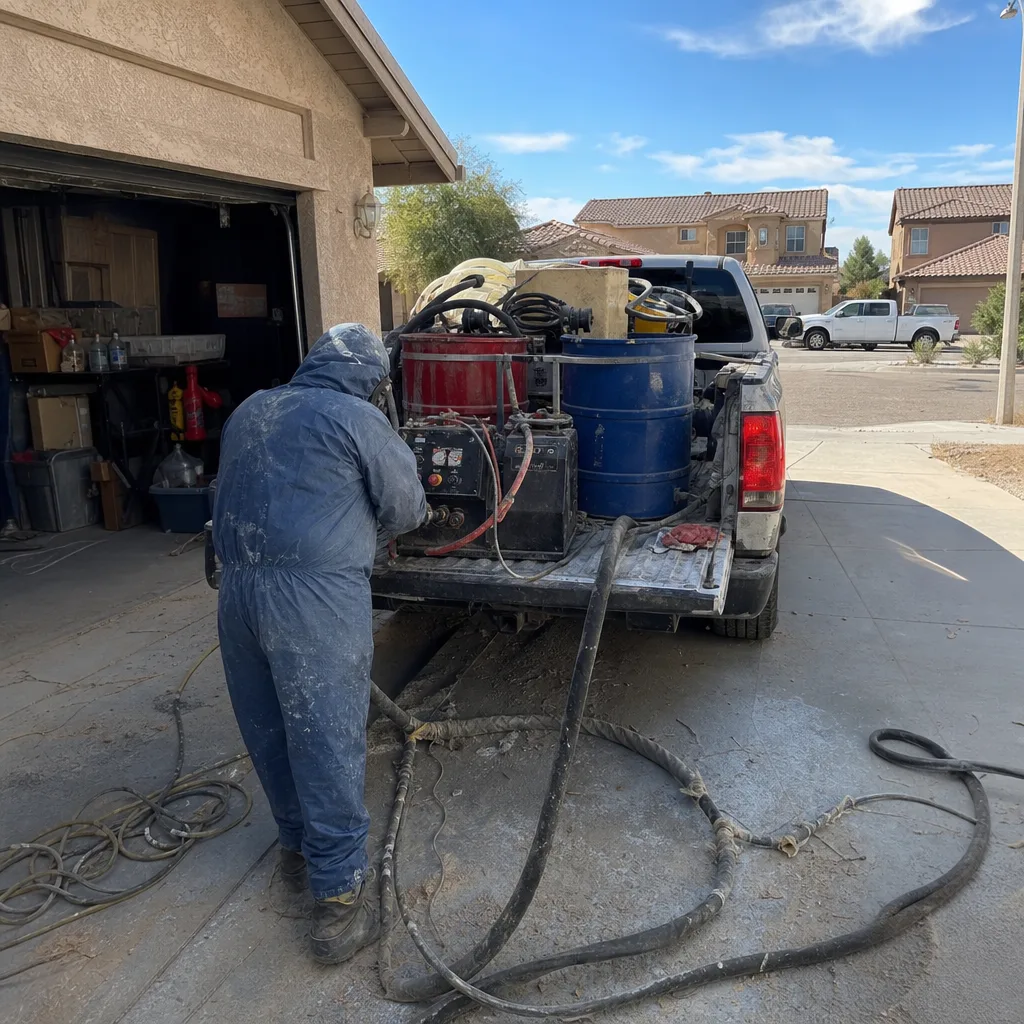
Dense-Pack Wall Insulation
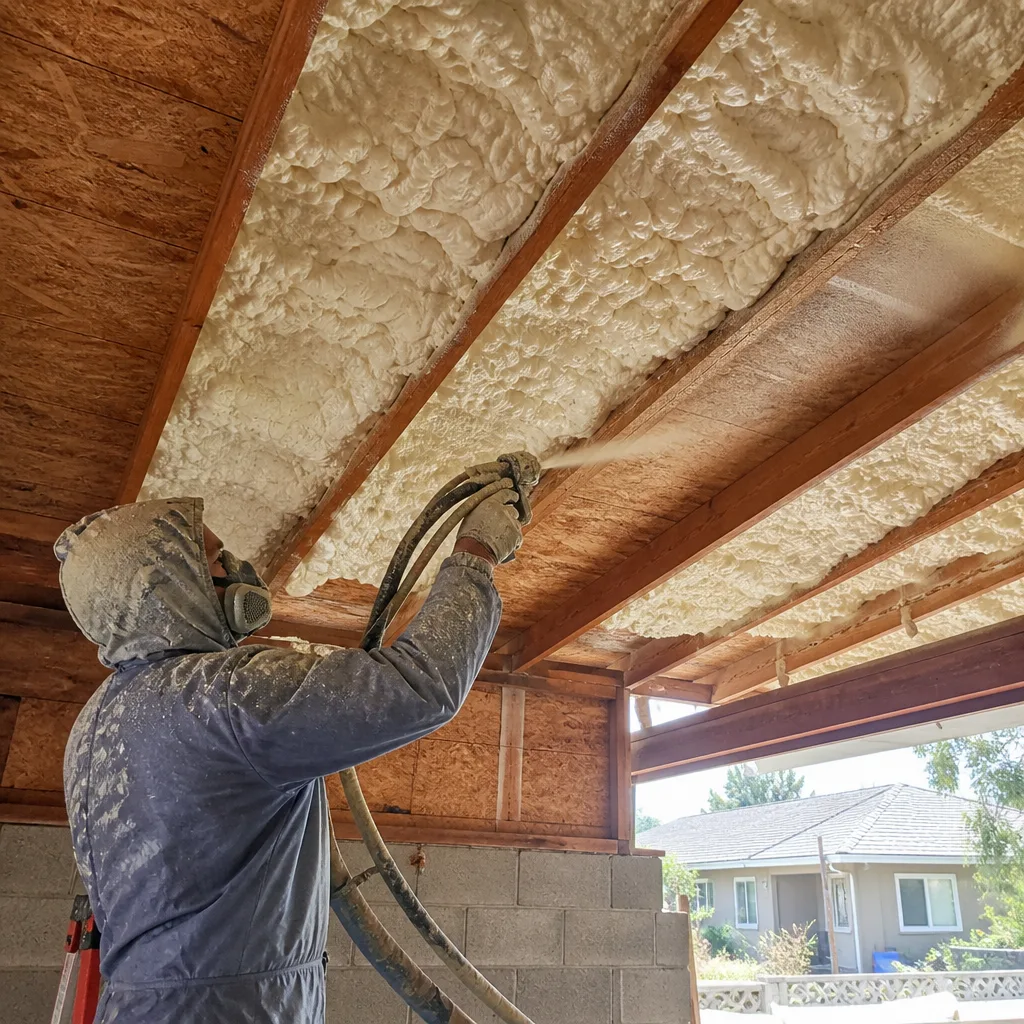
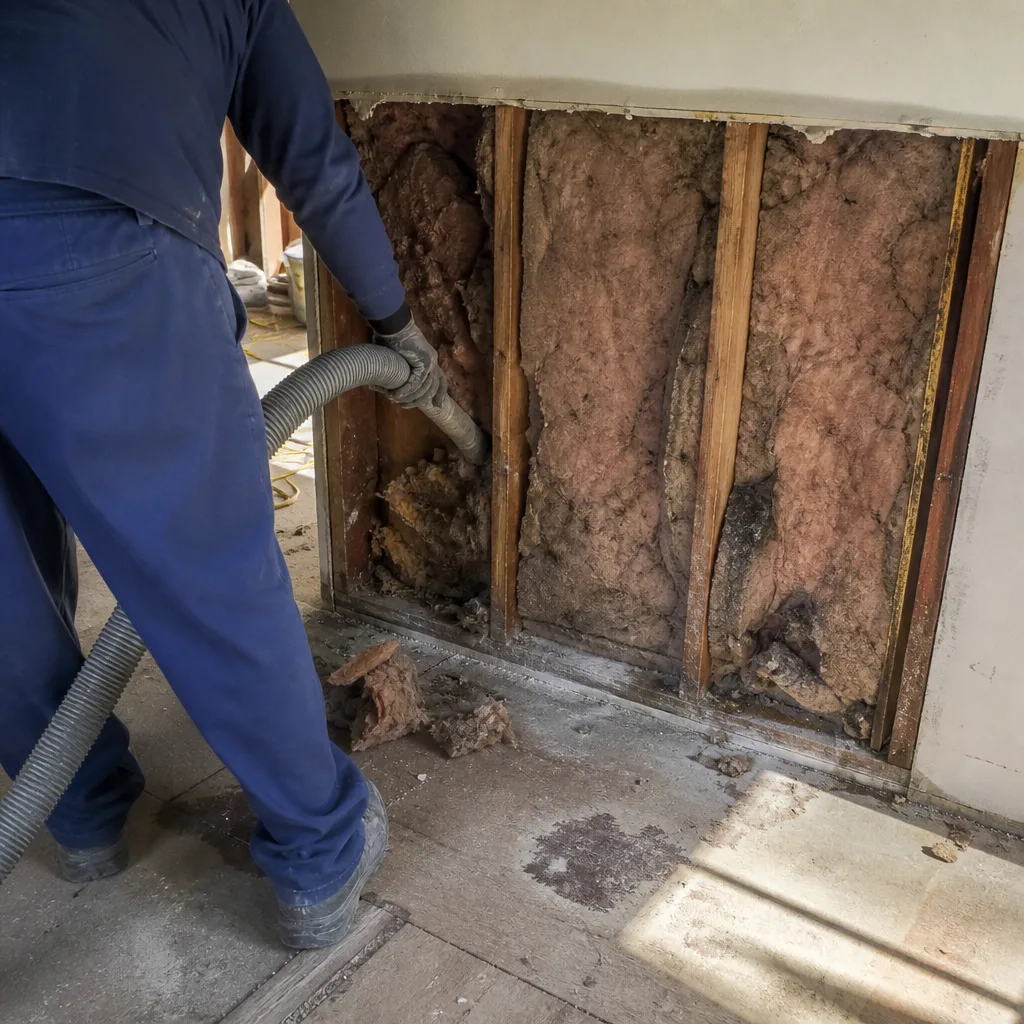
This is where Elizabeth Lake’s housing stock gets interesting. Those mid-century cabins with 2×4 walls and minimal insulation? Dense-pack fiberglass or cellulose, blown at 3.5 pounds per cubic foot, fills the cavity without settling and adds R-13 to R-15 where there was effectively none. But here’s the critical step: we air-seal the top plate, outlet boxes, and any plumbing penetrations first. In Elizabeth Lake’s cold-air drainage basin, an unsealed top plate is a highway for sub-freezing air, and the daily temperature swing will pump moisture into that wall all winter. We’ve opened walls where dense-pack was installed without sealing and found compressed, mold-stained insulation within two years. Under Haven Standard: sealed first, then insulated, always.
Blown-In Top-Up
Elizabeth Lake homeowners who had insulation blown in ten or fifteen years ago often call us when their PG&E bills spike or they notice bare spots on the north-facing attic slope after a wind event. Loose-fill cellulose settles over time, and the gusts that scour the lake basin can redistribute it further. Our top-up service starts with a photo-documented assessment of what’s there, air sealing of any new penetrations (HVAC additions, recessed lights, vent upgrades), then blowing fresh material to restore R-38 or better. You get before-and-after photos and, on applicable jobs, blower-door numbers showing the improvement.
What happens when you call
- 1
A real person answersNo phone trees - you reach a local pro.
- 2
You get an upfront price rangeHonest numbers before anyone is dispatched.
- 3
A background-checked tech heads outLicensed & insured, dispatched right away.
- 4
You approve before work beginsNothing starts until you say go.
 Before
 After
AfterTrusted Brands We Service in Elizabeth Lake
We stock and install Rockwool, CertainTeed, and Icynene products for Elizabeth Lake jobs, with no exclusive arrangements that would limit your options. Rockwool’s mineral wool handles the fire-rating concerns in cabin attics with exposed framing; CertainTeed’s fiberglass lines are our standard for dense-pack wall work; Icynene’s open-cell spray foam sees use in hybrid jobs where we’re combining blown-in and foam for complex rooflines. Materials are sourced through normal distribution channels, not proprietary systems, so turnaround on odd sizes or specific R-values isn’t held hostage to a single supplier’s inventory. If your 1960s cabin near the lake needs something specific, we can get it without a three-week delay.
Common Blown-In Insulation Problems We See in Elizabeth Lake Homes
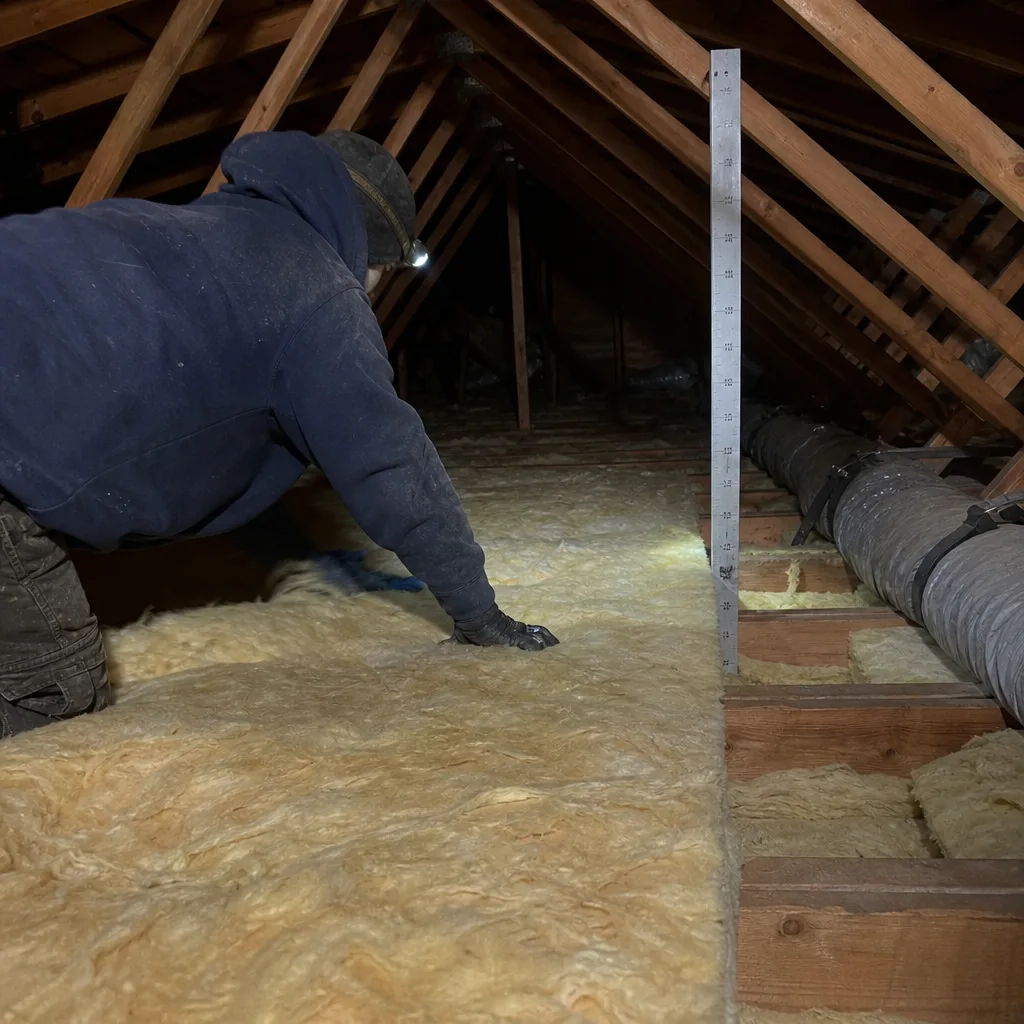
- Loose-fill cellulose settles unevenly after winter wind events, creating bare spots on north-facing attic slopes where heat loss concentrates and ice dams form at the eaves. We find this in cabins off San Francisquito Canyon Road and in the older builds near the lake shore, where the original blown-in job was done without baffling or proper ventilation chutes.
- Pier-and-beam manufactured homes with no belly board or skirting insulation let cold-air drainage from the lake basin flood the crawl space, freezing pipes and making any attic-only blown-in work a waste of money. This is the single most common misdiagnosis we correct - flatland crews see the attic, blow insulation, and leave while the homeowner still has frozen P-traps in February.
- Dense-pack wall cavities in mid-century cabins installed without air-sealing pull moisture into the wall through the daily 30-40°F temperature swing, compressing insulation and staining drywall within one heating season. We open walls where other contractors dense-packed and find the material has settled to half its original thickness, cold and damp to the touch.
- Disintegrated or missing belly boards under manufactured homes expose the floor cavity to wind, pests, and direct cold-air drainage. The original boards were often cardboard or thin fiberboard, rated for occasional weekend use, not year-round residence in a 3,000-foot basin with teens-and-below winter nights.
Pricing for Blown-In Insulation in Elizabeth Lake, CA
Most blown-in attic jobs in Elizabeth Lake run $1,800-$4,200, depending on square footage, existing insulation condition, and the extent of air sealing required beforehand. Dense-pack wall insulation in a mid-century cabin adds $2,400-$5,600. Manufactured home belly-board replacement and under-floor insulation, a common Elizabeth Lake need, typically falls between $1,200-$3,800. Top-up jobs where the existing material is salvageable start around $900.
What moves the number: accessibility (steep roofs, tight crawl spaces), the condition of existing insulation requiring removal, and whether we’re also addressing rodent damage or moisture issues. Every job gets a Written Price Before Any Work Starts - Haven Standard Clause 1 - with a flat number, written scope, and written warranty delivered before anyone lifts a tool. Bring us a competing quote; we’ll read it with you. Free Second Opinion on any written estimate.
Call (661) 403-4467 for a written price - estimates are free, and a live person answers 24/7.
We Also Serve Cities Near Elizabeth Lake
Our crews work throughout the western Antelope Valley and surrounding communities. We regularly dispatch to Elizabeth Lake from our Los Angeles office, with same-day or next-morning availability also extending to Palmdale, Desert View Highlands, Quartz Hill, and Acton. If you’re in one of these neighboring cities and your home has the same pier-and-beam or mid-century cabin challenges, our Blown-In Insulation team handles those jobs with the same protocol: seal first, insulate second, document everything.
Serving Elizabeth Lake, CA - Our Local Coverage Area
We’re based in the Elizabeth Lake area and know this community well. Use the map below to see our service coverage - if you’re nearby, we can almost certainly help.
FAQs - Blown-In Insulation in Elizabeth Lake
It helps with both, but only if the right areas are treated. Attic blown-in insulation stops heat loss that drives ice dams, while belly and floor insulation under pier-and-beam homes prevents the pipe freezes that cold-air drainage causes in this basin. An attic-only job without addressing the crawl space leaves your plumbing exposed to the same sub-freezing air that makes Elizabeth Lake winters harsher than Palmdale’s. Call (661) 403-4467 and we’ll scope what’s actually needed - estimates are free.
They apply Palmdale and Lancaster assumptions to a 3,000-foot basin with cold-air drainage, pier-and-beam construction, and housing stock built for seasonal use. Flatland crews see an attic, blow insulation, and leave; they don’t expect a crawl space to be 15°F colder than the ambient air, or a belly board to be disintegrated cardboard. We’ve corrected dozens of these jobs. Under Haven Standard, we start with a blower-door test and a full envelope assessment, not a quick attic glance.
Yes, with preparation. The cabin likely has 2×4 walls, minimal attic insulation, and air leaks at top plates and can lights that flatland crews miss. We air-seal first - blower-door test to find the leaks, seal them, test again - then blow cellulose to R-38 in the attic and dense-pack the walls if accessible. Without the sealing step, the daily temperature swing here will pump moisture into your new insulation and compress it within a year. Call (661) 403-4467 for a written scope and price.
Loose-fill cellulose in open attics can redistribute, creating thin spots on north-facing slopes where wind pressure is highest. Proper baffling, ventilation chutes, and installation density prevent this; poorly installed material scours and settles. We inspect for this during top-up assessments and correct it with fresh blow and proper venting. If your attic was done more than ten years ago, it’s worth a look - estimates are free.
They need different locations, not different materials. The pier-and-beam construction leaves a crawl space that’s directly exposed to cold-air drainage off the lake basin; belly-board insulation is essential, and rigid board sealing around piers prevents wind wash. The attic may still get blown-in cellulose or fiberglass, but the crawl space is where the freeze protection happens. Flatland crews rarely plan for this because they rarely see it. We do - it’s a significant portion of our Elizabeth Lake work. Call (661) 403-4467 for a written price.
We were called to a 1960s cabin near the lake in Elizabeth Lake after a January freeze burst the supply line under a pier-and-beam home, and the homeowner thought the whole house needed new insulation. Our tech found the belly board had disintegrated and the crawl space was completely open to the cold-air drainage off the lake basin; we installed dense-pack fiberglass batts under the floor and sealed the piers with rigid board, then added blown-in cellulose in the attic to stop the heat loss that was also driving ice dams at the eaves. The blower-door reading dropped from 4,200 CFM50 to 2,100. The homeowner got the before-and-after numbers, the photo record, and the written warranty - Haven Standard, every time.
Written by Wes Okafor, Owner at Envelope Insulation Co., serving Elizabeth Lake since 2016 under The Haven Standard.