
Crawl Space Vapor Barrier in Palmdale, CA
Our Crawl Space Encapsulation & Vapor Barrier services install thick plastic sheeting – typically 12 to 20 mil polyethylene – across the ground and up the foundation walls of your crawl space to block ground moisture before it migrates into your home’s floor system. In Palmdale, where summer heat drives soil moisture upward and winter rains saturate the Antelope Valley floor, an unprotected crawl space can raise indoor humidity levels, feed wood rot, and silently grow mold behind finished floors. Most installations in a standard Palmdale home run between $1,200 and $3,800, depending on crawl space size, access conditions, and existing moisture damage – and we’ll put that number in writing before anyone sets foot under your house.
At Topside Attic Insulation Palmdale, vapor barrier work is part of a larger approach to the building envelope that starts with the Crawl Space Encapsulation & Vapor Barrier in Palmdale service we’ve been providing since 2016. Every job under that umbrella – including standalone vapor barrier installations – opens with a written scope and a flat price, closes with a documented photo record, and is covered by our 365-Day Done Right Promise. If you’d rather talk through what’s happening under your house before scheduling anything, call (661) 403-4467 – a live person will pick up.
When You Need a Crawl Space Vapor Barrier
Most Palmdale homeowners don’t notice crawl space moisture problems until they show up somewhere else – a musty smell through floor vents, hardwood flooring that suddenly gaps or buckles, or a utility bill that climbs for no obvious reason. Here are the clearest signs that your crawl space needs a vapor barrier, or that an existing one has failed:
- Musty odors from floor vents or the first floor. In neighborhoods like Rancho Vista and West Palmdale, where slab-on-grade and raised foundations sit side by side, ground moisture under a raised floor is often the first thing occupants smell when HVAC starts circulating air. That smell is microbial growth, not dust.
- Visible condensation on pipes, ducts, or floor joists. When ground moisture evaporates and contacts cooler structural wood, you get surface condensation. Left alone, it initiates the early stages of wood rot within months in Palmdale’s summer conditions.
- Buckled, warped, or squeaky hardwood floors. Wood flooring responds to moisture from below as readily as moisture from above. If your floors started moving after a wet winter – Palmdale averaged significantly above-normal precipitation in early 2023 – the crawl space is the first place to inspect.
- Elevated interior humidity in the 55-65% range or higher. Without a ground vapor barrier, a crawl space essentially acts as an open evaporation pan connected to your living area through every gap in the subfloor. HVAC equipment works harder, and occupant comfort drops.
- Existing vapor barrier that is torn, thin, or improperly lapped. Older homes in the Quartz Hill and Littlerock areas sometimes have original 6-mil sheeting stapled loosely to joists – a standard that hasn’t met professional installation expectations for years. Thin or poorly seamed barriers let moisture through at every gap.
- Pest or rodent activity in the crawl space. Moist soil attracts insects and creates the kind of soft, deteriorating wood that rodents nest in. A proper vapor barrier reduces both the moisture and the habitat conditions that drive that activity.
Our Crawl Space Vapor Barrier Process
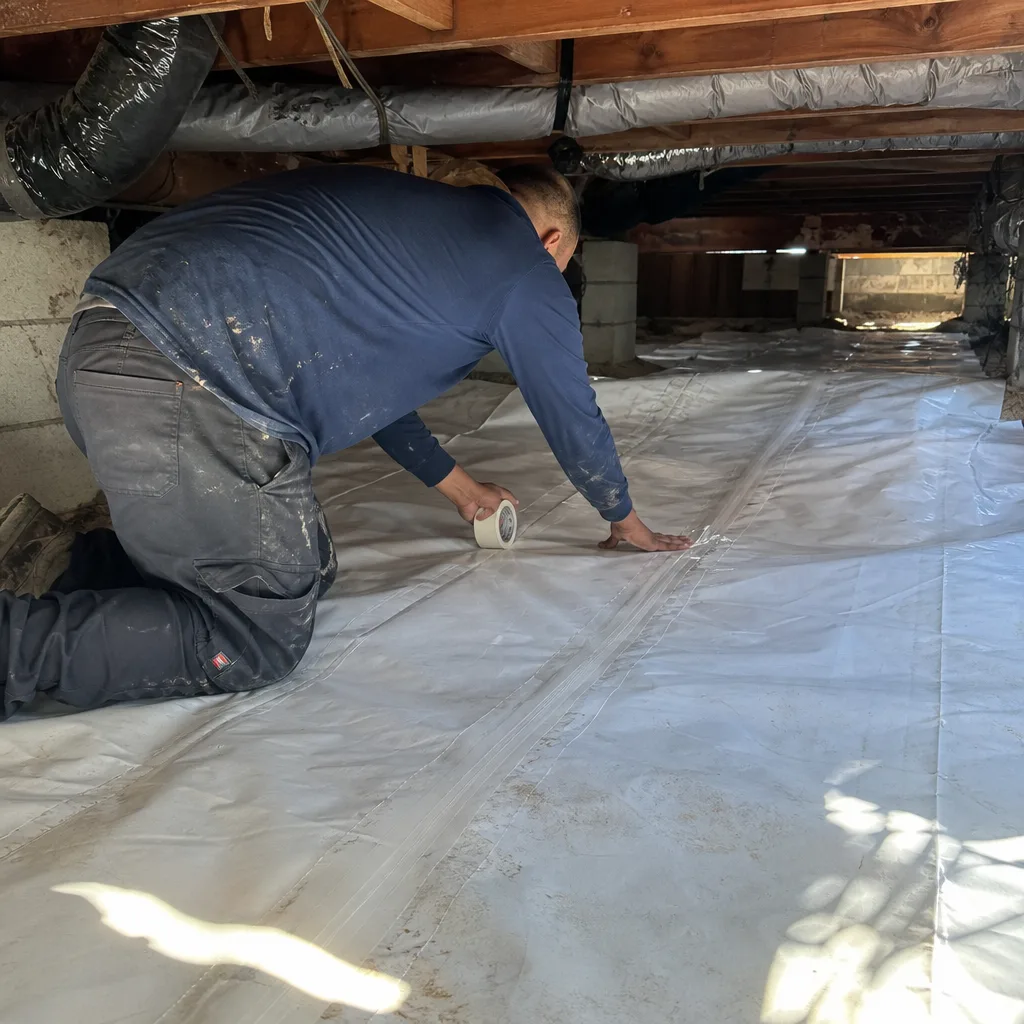
We follow the same documented sequence on every job – whether the crawl space is 400 square feet under a 1970s Palmdale ranch or 1,200 square feet under a two-story in the Shadow Hills area. No steps are skipped because a space looks “mostly okay.”
- Pre-installation crawl space assessment with documented photos. A uniformed, background-checked technician enters the crawl space and photographs existing conditions: standing water, existing sheeting, duct condition, joist condition, pest evidence, and foundation vent placement. You receive this photo record before we discuss any scope or price. Under Haven Standard Clause 1, a written price comes next – no work starts without it.
- Debris removal and subfloor prep. Old, degraded barrier material is pulled out. Debris, insulation that has fallen from the joist bays, and any accumulated organic material are bagged and removed. We don’t install over compromised conditions – the new barrier needs clean, stable contact with the ground to perform correctly.
- Ground surface grading where needed. Palmdale’s Antelope Valley soil can develop low spots that collect water. On jobs where pooling is evident, we grade the ground surface within the crawl space to direct any incidental water toward the low point or foundation drain before sheeting goes down.
- Barrier installation – ground and foundation walls. We install heavy-duty polyethylene sheeting – 12 mil minimum, 20 mil on jobs where access is tight or mechanical traffic is expected – across the entire ground plane and up the foundation walls to the sill plate. Seams are overlapped by a minimum of 12 inches and sealed with manufacturer-specified tape, not staples alone. Penetrations – pipes, columns, posts – are wrapped and sealed individually. The result is a continuous membrane with no open seams at the soil line.
- Perimeter and penetration sealing. The barrier edges at the foundation wall are secured with termination bar or construction adhesive appropriate to the foundation material. Every pipe, post, and pier penetrating the barrier is sealed so moisture can’t wick up around it. This step is where most DIY and bargain installations fail – a membrane that isn’t sealed at its edges and penetrations isn’t a vapor barrier, it’s just plastic on the ground.
- Final inspection, documentation, and warranty delivery. We photograph the completed installation – every seam, every penetration detail, the full ground plane. The technician walks you through the photos before leaving. Your written warranty and the 365-Day Done Right Promise documentation are delivered the same day the job closes. If anything isn’t right within 365 days, we make it right – in writing, before we leave.
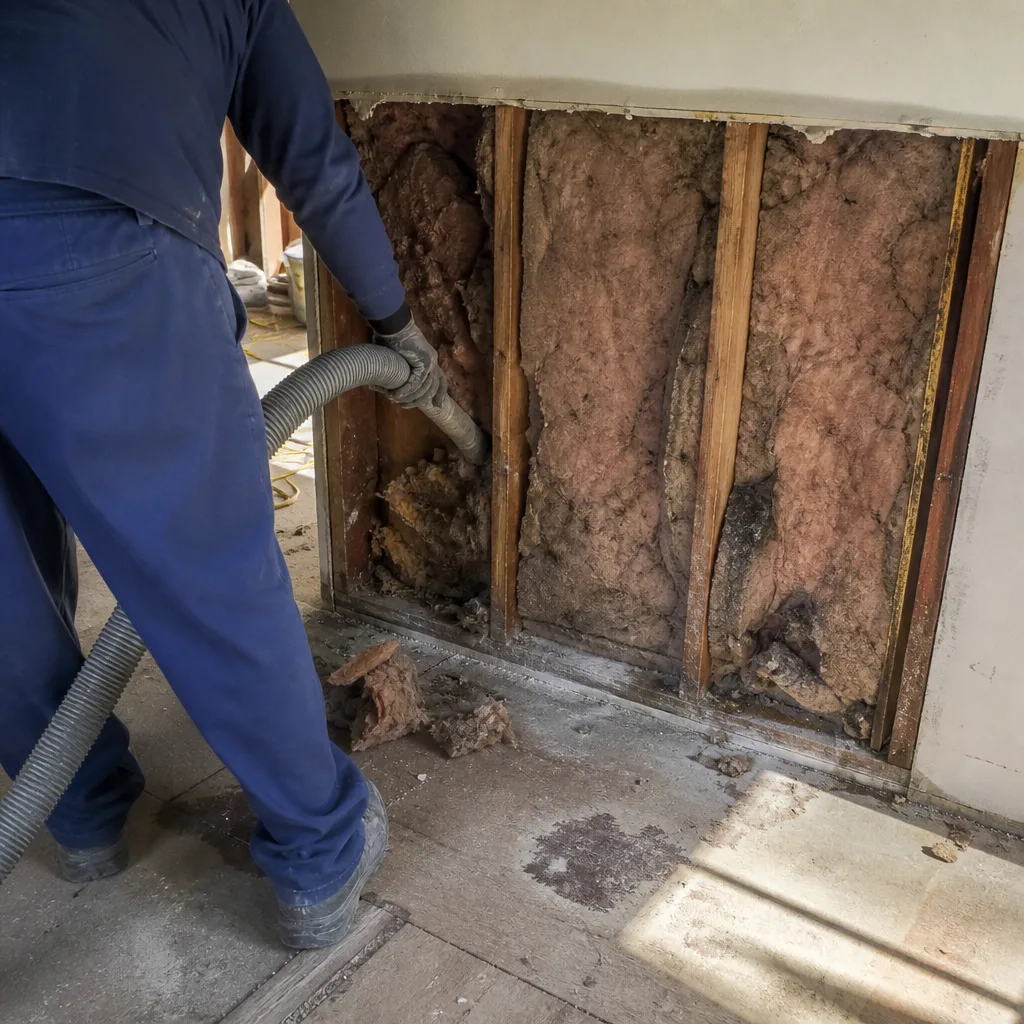 Before
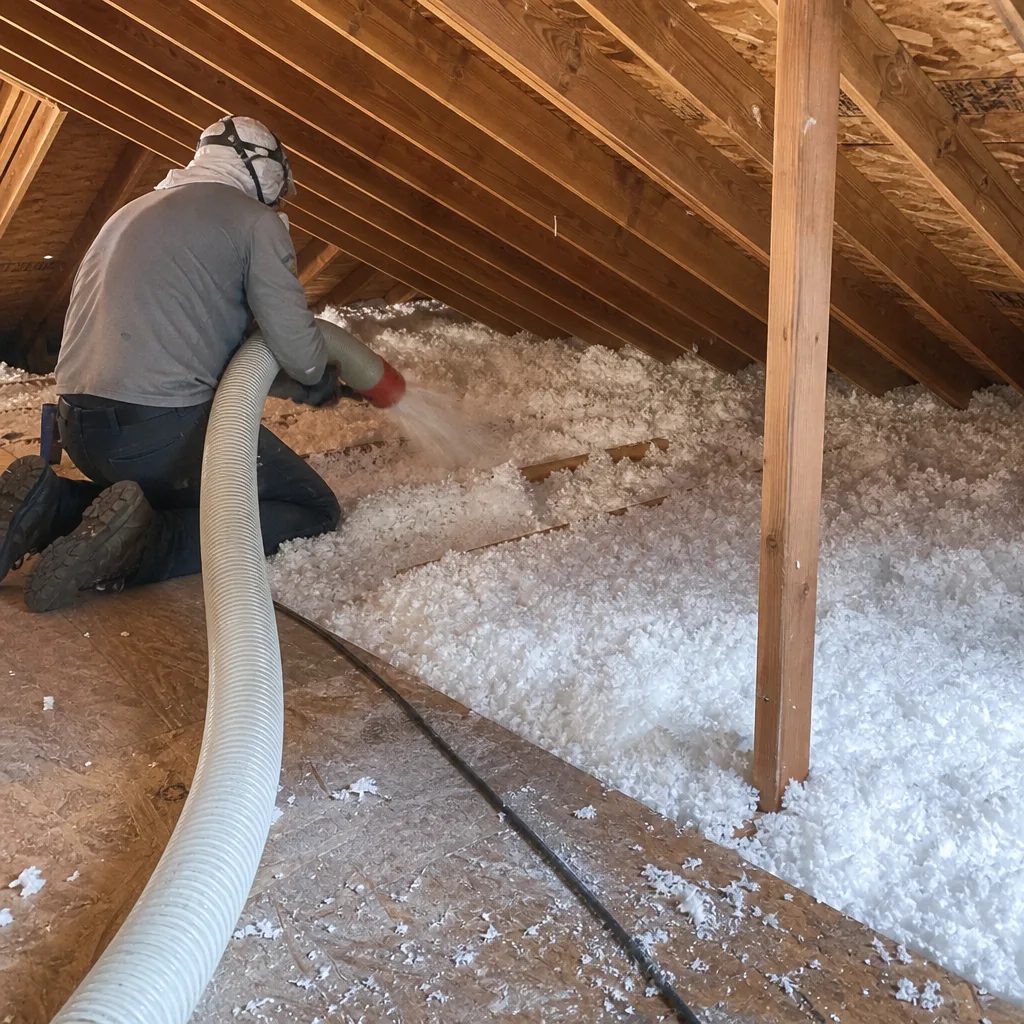 After
AfterCrawl Space Vapor Barrier Pricing in Palmdale
How Much Does Crawl Space Encapsulation & Vapor Barrier Cost? (2026 Price Guide) - Palmdale, CA – residential jobs typically run between $1,200 and $3,800. The range is real – here’s what moves the number:
| Factor | Lower End | Higher End |
|---|---|---|
| Crawl space size | Under 800 sq ft | 1,200+ sq ft |
| Barrier mil thickness | 12 mil standard | 20 mil reinforced |
| Access conditions | Standard hatch, 24″ clearance | Tight access, low clearance, obstructions |
| Existing barrier removal | No old material present | Full old barrier pull-out and disposal |
| Debris and prep work | Clean space, minimal prep | Significant debris, fallen insulation, wet soil |
| Penetrations to seal | Few pipes, no interior posts | Multiple posts, piers, columns, HVAC equipment |
A few things specific to Palmdale affect where your job falls in that range. Homes in the Anaverde and Rancho Vista developments tend to have larger crawl space footprints, which moves the cost toward the upper half. Older homes in the Lancaster Road corridor and central Palmdale frequently have deteriorated 6-mil original sheeting that adds removal labor. And because Palmdale sits at roughly 2,700 feet elevation with wide day-to-night temperature swings, crawl spaces here experience more condensation cycling than properties closer to sea level – that’s an argument for the heavier 20-mil material, and we’ll note it in your written scope if it applies to your home.
We don’t charge for the estimate or the assessment photos. Under the Haven Standard, a written price is yours before any work begins – and if you’ve already received a written estimate from another contractor, we’ll read it with you as part of a free second opinion. Bring the other quote; we’ll tell you what it does and doesn’t include. Call (661) 403-4467 to schedule your assessment.
FAQs – Crawl Space Vapor Barrier
What thickness vapor barrier does a Palmdale crawl space actually need?
For most Palmdale homes, 12 mil polyethylene is the practical minimum for Crawl Space Insulation – anything thinner tears during installation and under normal foot traffic for HVAC maintenance. If your crawl space has any interior posts or piers that technicians need to navigate around, or if mechanical equipment sits inside the space, 20 mil is more appropriate. The Antelope Valley’s clay-heavy soil also holds moisture longer after rain than sandy or loam soils, which argues for the heavier material in homes that had previous moisture issues. We note the specific thickness in your written scope so it’s not a judgment call after the fact.
Can a vapor barrier fix my musty smell, or is there more to it?
A properly installed vapor barrier eliminates the ground moisture source that feeds mold and mildew growth in a crawl space – and in most cases, the musty smell in the living area drops noticeably within a few weeks of installation once the moisture source is cut off. If mold has already colonized the floor joists or subfloor material, the barrier stops future growth but doesn’t remove existing colonies. We document what we find during the pre-install assessment so you know whether the barrier alone is sufficient or whether remediation is also warranted. No one should be surprised by that conversation after the work is done.
How long does a crawl space vapor barrier installation take in a typical Palmdale home?
Most residential vapor barrier jobs in Palmdale complete in a single day – four to eight hours of active work for a standard 800-1,000 square foot crawl space. Jobs with significant old barrier removal or tight access conditions sometimes extend into a second morning. We give you a specific time estimate in your written scope, not a window measured in days. The pre-installation photo assessment and the final walkthrough are included in that timeline, not added on top of it.
Is a vapor barrier the same thing as crawl space encapsulation?
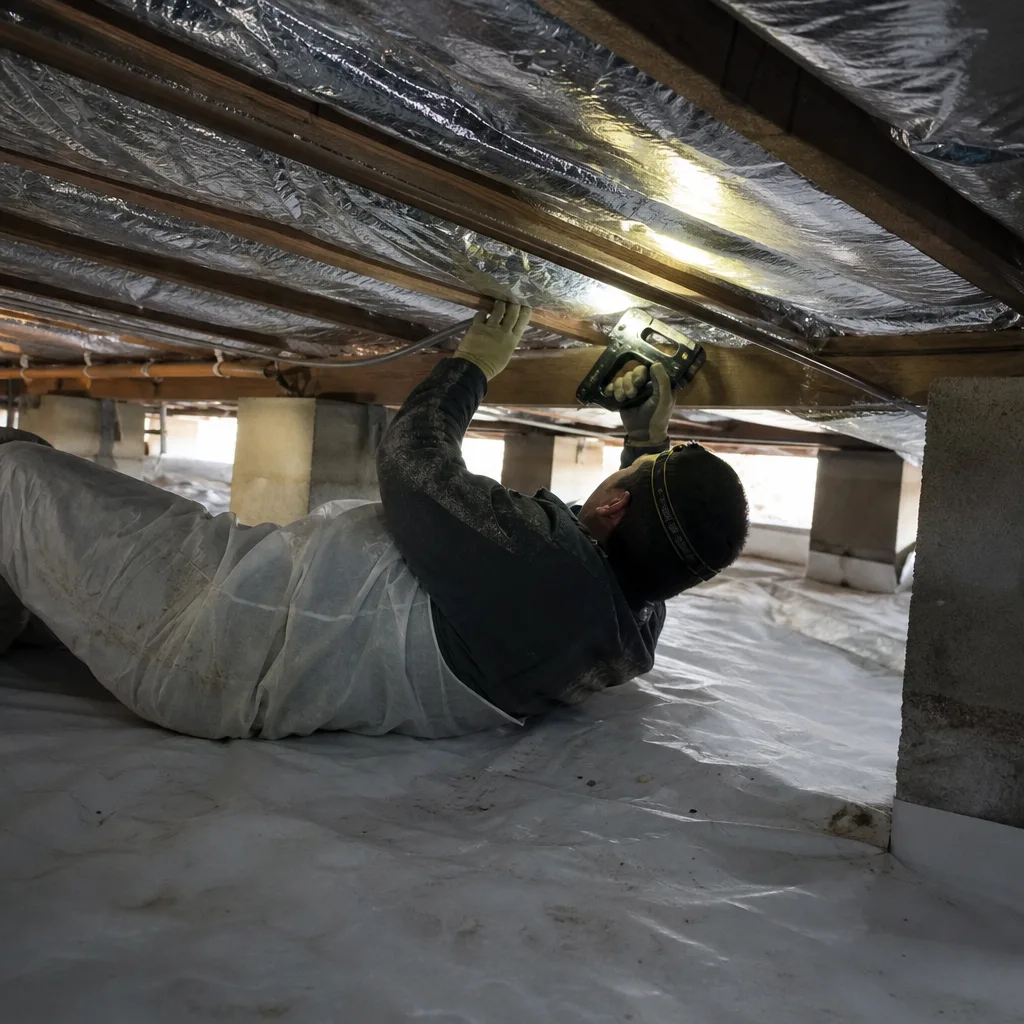
Not exactly. A vapor barrier covers the ground plane and foundation walls to block soil moisture – it’s the core moisture-control layer. Full Crawl Space Encapsulation & Vapor Barrier in Palmdale goes further: it also seals the foundation vents, conditions the crawl space air volume, and often adds insulation to the foundation walls, converting the crawl space from a vented to a semi-conditioned space. A standalone vapor barrier is appropriate for many Palmdale homes where the primary issue is ground moisture rather than thermal performance. We’ll tell you which approach addresses your actual conditions – not the more expensive one by default.
What to Expect When You Contact Us
When you call (661) 403-4467, a live person picks up – no voicemail, no callback window. We’ll schedule a crawl space assessment at a time that works for you, and you’ll receive a text with the technician’s name before they arrive. The assessment includes a full photo record of existing conditions, and you’ll have a written price in hand before any work is discussed. That’s Haven Standard Clause 1, and it applies to every job we do in Palmdale – whether it’s a 500-square-foot crawl space in a 1960s bungalow near downtown or a larger footprint in a newer build off Rancho Vista Boulevard.
We’ve documented conditions under more than 9,000 homes since 2016. The photo record from your crawl space assessment belongs to you regardless of whether you hire us. If you have a written estimate from another contractor, bring it – the free second opinion is a standing offer, not a limited-time one.
Written by Wes Okafor, Owner at Topside Attic Insulation Palmdale, serving Palmdale.