
GreenFiber Blown-In Insulation in Palmdale: What to Know First
We provide independent GreenFiber blown-in insulation service in Palmdale, typically completing attic top-ups and dense-pack wall jobs in one day with a two-person crew. Most homeowners receive a written price before we unload any equipment, and we publish before-and-after blower-door numbers on every job where air sealing is part of the scope. If you own a GreenFiber-insulated home in the Rancho Vista corridor, Anaverde, or anywhere in the Antelope Valley and need more insulation, replacement, or a performance check, call (661) 403-4467. We’ll read your existing R-value, check for settlement gaps, and give you a flat price in writing before any work starts.
How GreenFiber Products Fail - and How We Fix Them
- Stabilized cellulose settlement in SANCTUARY lines. GreenFiber’s SANCTUARY blown-in cellulose is treated with borate fire retardant, but in Palmdale’s 140°F attic peaks, the fiber structure can compress 10-15% over five to seven years. We find the original R-30 has become R-22 near the eaves where crews rarely walk. Our fix: remove the settled layer, seal top plates and can-light penetrations first, then blow fresh SANCTUARY at the correct depth for Zone 3’s required R-value.
- Low-slope application bridging in cathedral ceilings. GreenFiber’s loose-fill cellulose needs a minimum 5:12 roof pitch to gravity-set evenly; on the shallow pitches common in 1980s Palmdale tract homes, we find void pockets where the material bridged across rafter bays. We dense-pack those cavities with a two-hole fill method, packing the cellulose to 3.5 pounds per cubic foot so it stays put and hits the labeled R-3.7 per inch.
- Moisture activation of borate treatment. GreenFiber’s borate fire retardant is hygroscopic, meaning it can draw moisture if the attic has a roof leak or bathroom fan dumping humid air. The cellulose clumps, loses R-value, and in severe cases the borate leaches out leaving unprotected fiber. We locate the moisture source, repair or refer the roofing, remove the damaged insulation, and only then reinstall dry material.
- Incompatible retrofit over existing fiberglass batts. Homeowners sometimes layer GreenFiber loose-fill over compressed fiberglass batts, creating a double vapor retarder that traps summer condensation against the drywall. We pull the old batts, air seal the ceiling plane properly, and blow a single uniform layer of GreenFiber at the depth the IECC climate zone actually requires.
- Insufflation hose abrasion creating dust migration. The recycled paper fibers in GreenFiber’s low-dust formula can still generate fine particulate if the installer runs a worn hose or skips the water mist setting. We see this in homes where a DIY rental machine was used. Our fix: HEPA-filtered removal of contaminated material, then fresh blow with our maintained equipment at the manufacturer’s specified moisture content.
Our GreenFiber Blown-In Insulation Process
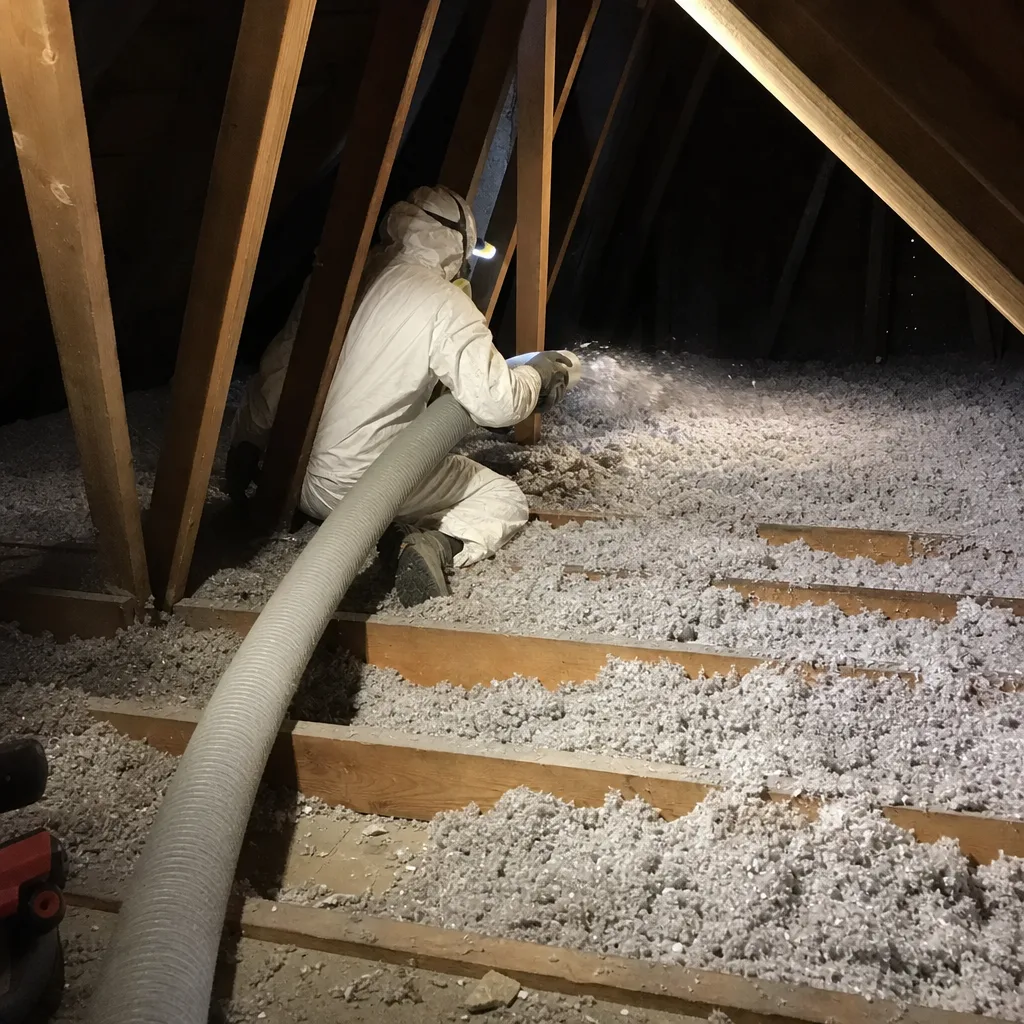
- 1
Call and scope. A live person answers, asks about your home’s year built, square footage, and what you’re seeing - hot rooms, high bills, or visible insulation gaps. We schedule a site visit, not a phone guess.
- 2
On-site assessment with documentation. We measure existing insulation depth, identify the product line if visible, and run a blower-door test if air sealing is in scope. You get photos of what we found before anything changes.
- 3
Written price and material spec. We specify GreenFiber by product line or, if you prefer, an equivalent from Owens Corning, Johns Manville, or Knauf. No work starts without a signed scope and flat price.
- 4
Air sealing first, always. Seal the leaks first. The insulation is just the last step. We seal top plates, wire penetrations, can lights, and chimney chases before any blower runs.
- 5
Installation and real-time verification. We blow to labeled depth, checking density with a probe in three bays per 500 square feet. On applicable jobs, we run the blower door again and leave you with the pre- and post-CFM50 readings printed side by side.
- 6
Cleanup, photo record, and warranty delivery. The crew vacuums, delivers your Documented Photo Record via email, and leaves a written copy of the 365-Day Done Right Promise. Payment is due only after you verify the scope is complete.
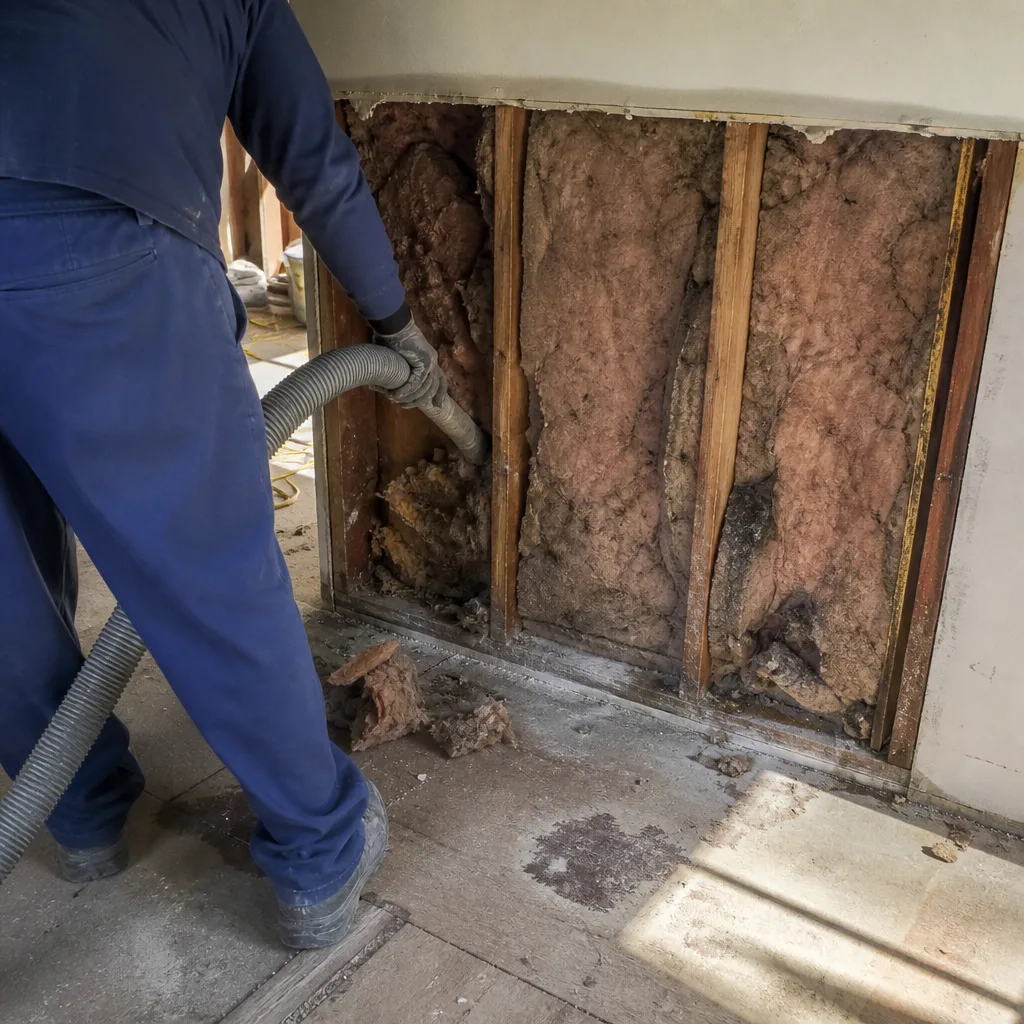 Before
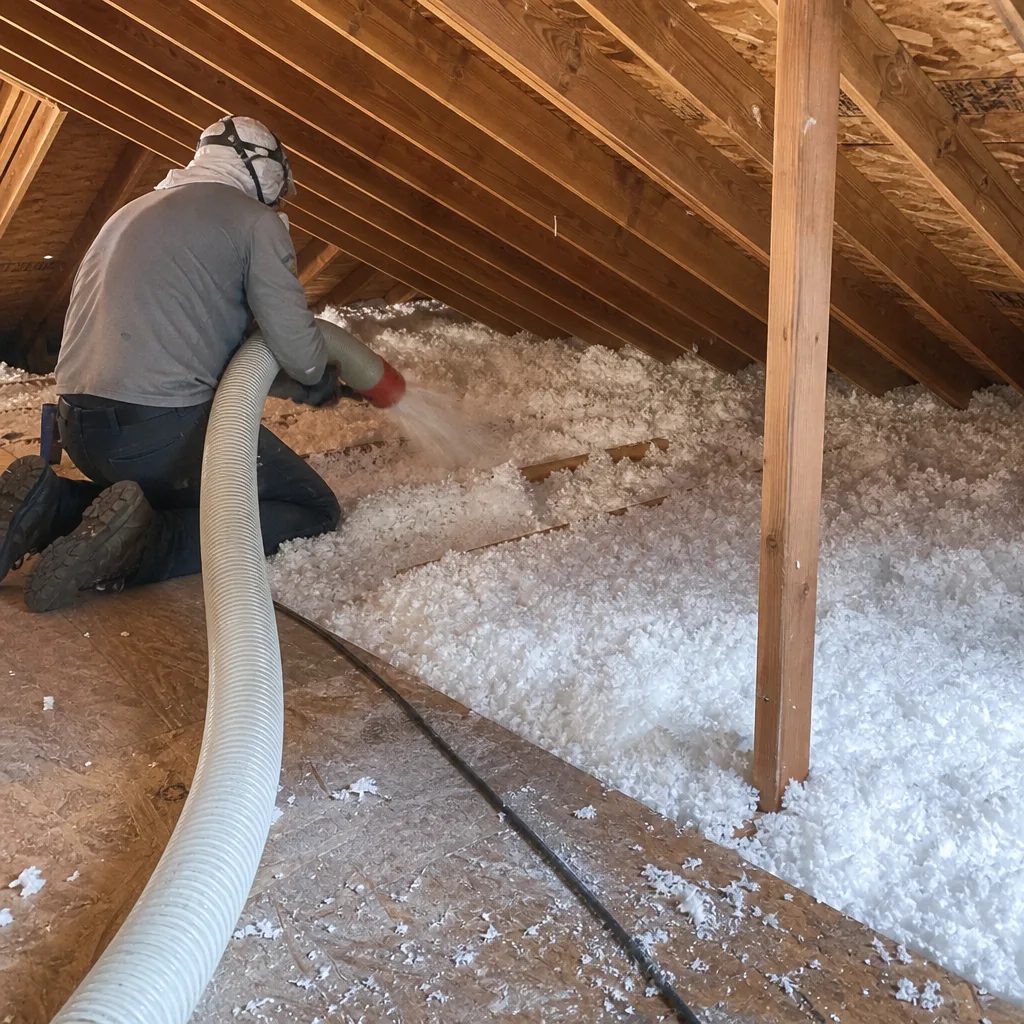 After
AfterWhat GreenFiber Blown-In Insulation Costs in Palmdale
Most GreenFiber attic top-ups in a 1,200 to 2,000 square foot Palmdale home run between $1,800 and $3,400, including air sealing of accessible penetrations. Full removal and replacement with fresh SANCTUARY cellulose, including rodent soiling cleanup, typically ranges $3,200 to $5,800. Dense-pack wall insulation in a 1,500 square foot home with 2×4 construction runs $2,400 to $4,100.
What moves the price: existing material condition (settled vs. contaminated), attic accessibility (trusses vs. stick-framed with headroom), and whether the home needs active air sealing before insulation. We also service Reflectix radiant barrier systems when they’re part of the same envelope upgrade.
Every estimate is free, written, and fixed before work starts. Bring us any competing written quote for a Free Second Opinion - we’ll read it with you line by line. Call (661) 403-4467 to schedule.
Why Palmdale Homeowners Call Topside Attic Insulation Palmdale for GreenFiber Work
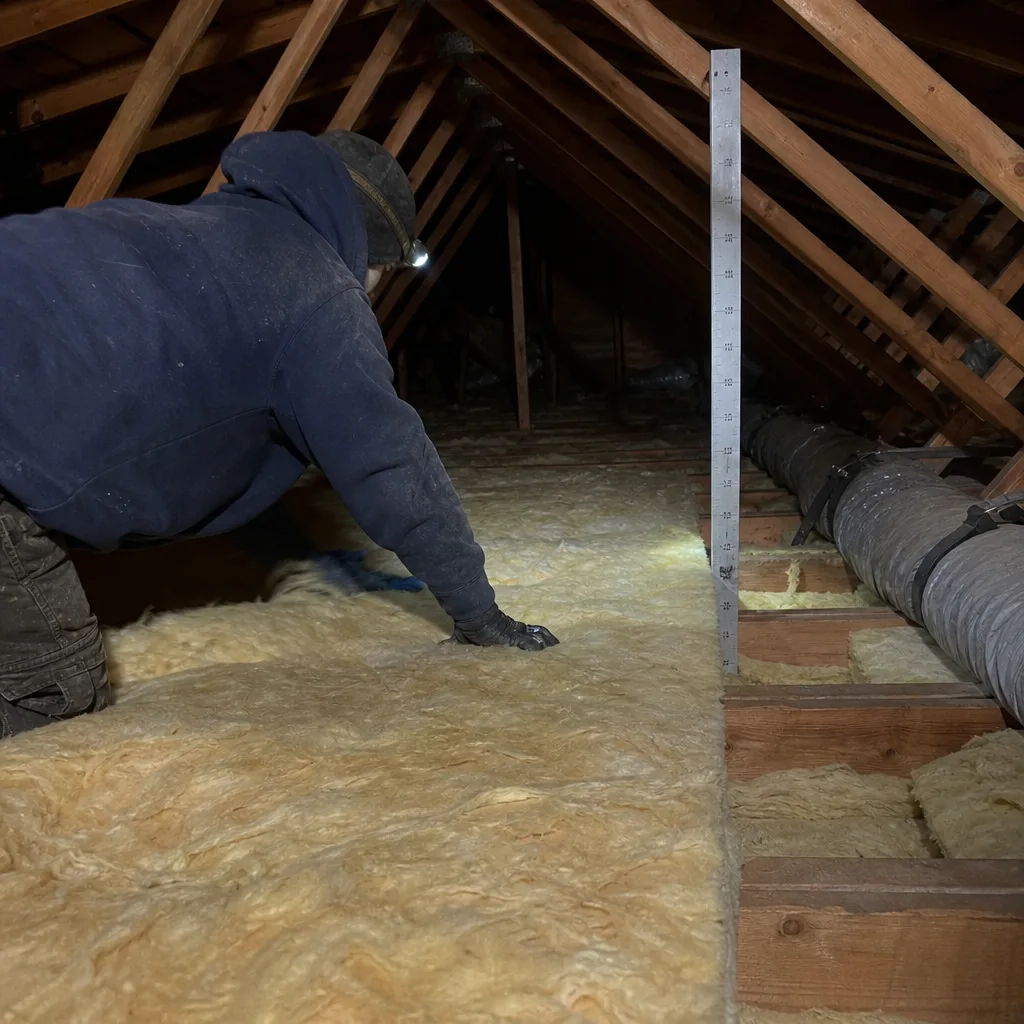
We’ve sealed and insulated over 9,000 homes since 2016, and the ones in Palmdale teach you something specific: attic temperatures here don’t just stress the insulation, they expose every gap the installer skipped. Wes Okafor runs a blower-door test before and after every job, then leaves the homeowner with a printed report showing the CFM50 drop in black and white. Our technicians are background-checked, uniformed, and trained on GreenFiber’s product lines specifically, not just generic cellulose. Calls are answered by a live person 24/7. The 365-Day Done Right Promise applies to all work, and every job closes with a Documented Photo Record, not a handshake and a hope.
FAQs
No. GreenFiber’s product warranty covers manufacturing defects in the material itself, not the installation. As an independent GreenFiber service provider, we install to the manufacturer’s published density and depth specs, which preserves any valid material claim. We document our work with photos and depth measurements so you have evidence if a product issue ever arises. Call (661) 403-4467 if you want us to review your existing installation documentation.
Measure the depth at three points in your attic with a ruler; if the average is more than 10% below the labeled depth for your target R-value, or if you can see the ceiling joists, the material has settled or was under-blown originally. In Palmdale’s climate, we also check for borate leaching or moisture clumping that reduces performance even when depth looks correct. We assess this free during any site visit.
Adding a top layer costs 30-40% less than full removal and replacement, but only makes sense if the existing material is dry, uncontaminated, and not compressed into a vapor-blocking mat. We find that in about half the Palmdale homes we assess, the existing layer has enough problems that topping it wastes money. We’ll tell you which category you’re in and show you the photos so you can decide.
Most GreenFiber attic jobs are scheduled within three to five business days, and completed in one day with a two-person crew. Dense-pack wall work or jobs requiring insulation removal may need two days. Emergency situations, like insulation contaminated by active roof leaks, get priority scheduling. Call (661) 403-4467 for current availability.
We source GreenFiber through our regular supply chain with Owens Corning, Johns Manville, Knauf, and other manufacturers; we do not maintain exclusive inventory of any single brand. This means we can specify GreenFiber when it fits the job, or pivot to an equivalent cellulose product if lead times or specifications favor it. You are never locked into a proprietary material choice.
Written by Wes Okafor, Owner, Topside Attic Insulation Palmdale at Topside Attic Insulation Palmdale, serving Palmdale and nearby areas.