
Icynene Vapor Barrier Installation: The Palmdale Owner’s Guide
Icynene vapor barrier installation in Palmdale typically runs between $1,800 and $3,400 for a complete crawl space or attic application, depending on square footage and whether the existing barrier needs full removal. We stock Icynene-compatible vapor barrier material on our trucks and can usually schedule installation within 24 to 48 hours. Most Palmdale homeowners discover their vapor barrier has failed when they notice a sharp musty smell coming from the crawl space, see condensation beading on the underside of the barrier, or find their spring energy bills climbing without explanation - the desert temperature swings between 100°F summer days and 40°F nights stress polyethylene sheeting in ways that softer climate zones don’t.
Which Icynene Models This Applies To
Icynene doesn’t manufacture standalone vapor barrier film under its own label, but the Icynene spray foam systems - particularly the LD-C-50 open-cell and MD-C-200 closed-cell lines installed in Palmdale homes from 2012 through 2020 - were frequently paired with 6-mil to 10-mil reinforced polyethylene vapor barriers in crawl space encapsulation jobs. The compatibility issue isn’t the foam itself; it’s whether the original installer used a barrier rated for the IRC Class I vapor retarder requirement that applies to Palmdale’s Zone 3-B climate classification.
Here’s how to identify what you have: look for a stamp on the polyethylene edge reading “ASTM E1745 Class A” or “Class C” - Class A is the 10-mil reinforced product we install, while Class C (6-mil, non-reinforced) is what we most often find torn at the seams in Rancho Vista and Anaverde homes. The OEM-spec barrier for Icynene-encapsulated crawl spaces is a cross-laminated polyethylene, but we also install a quality aftermarket equivalent manufactured to the same ASTM spec at roughly 15 percent lower material cost. The gotcha: some early Icynene installations used 4-mil sheeting as a cost shortcut, and that thickness degrades to brittle shards within 5 to 7 years in Palmdale’s UV-exposed vented crawl spaces. We measure what you have before quoting replacement.
Signs Your Icynene Vapor Barrier Installation Is Failing
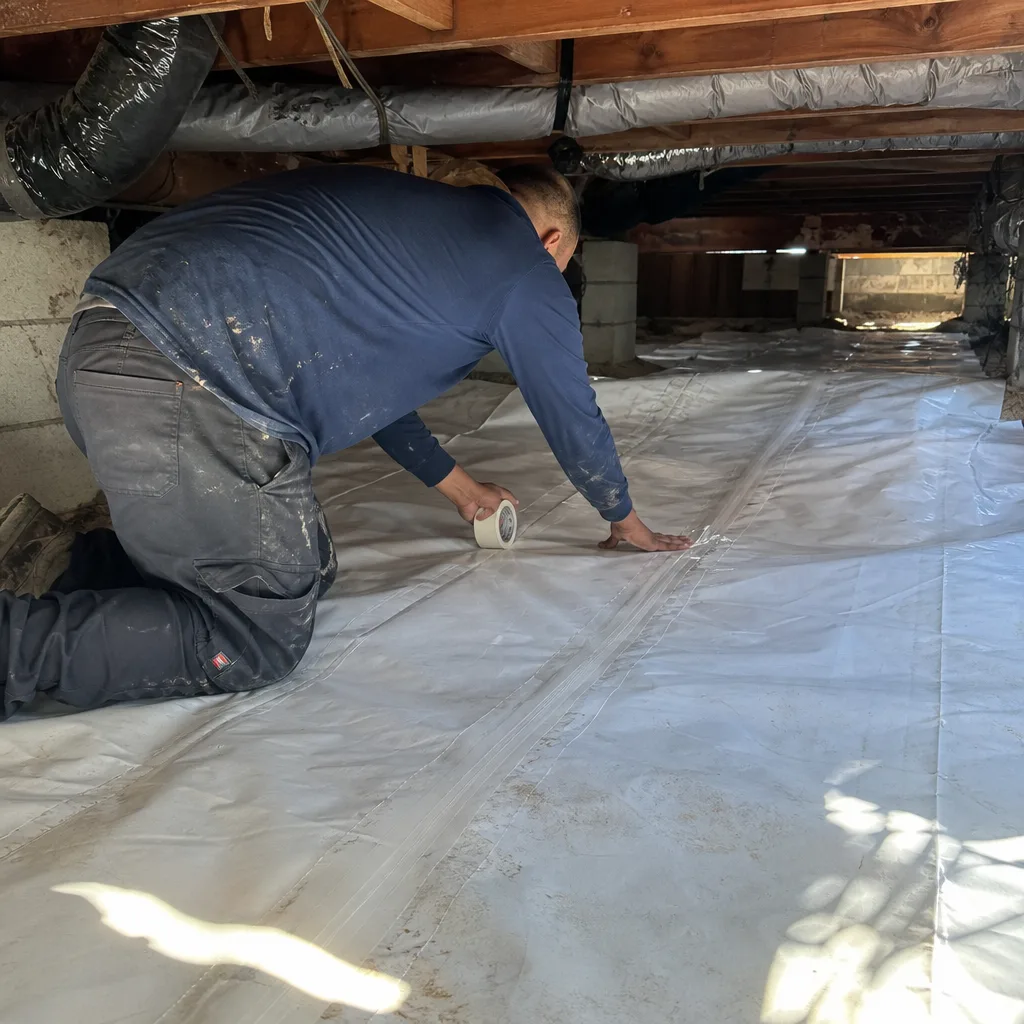
- Musty odors rising through floor registers. When the vapor barrier tears at seams or punctures, ground moisture evaporates directly into the crawl space air. That moisture gets drawn into the HVAC return plenum and distributed through the house. In Palmdale’s hard-water soil, the smell carries a distinct mineral edge that homeowners often mistake for a plumbing leak.
- Condensation on the barrier’s underside. A properly installed barrier has the warm side facing the living space above. If you shine a flashlight into your crawl space and see water droplets clinging to the bottom surface of the poly, the barrier has either flipped at a seam or the soil-grade adhesive has failed, allowing warm moist air to hit the cold poly. This is common in West Palmdale homes where the clay soil holds winter moisture longer than the sandy loam east of the 14.
- White or gray powder on the barrier surface. That’s efflorescence - mineral salts left behind as moisture evaporates through a compromised barrier. It means water is moving through, not just sitting against, the poly. On Icynene jobs from 2015 to 2018, we see this most where the barrier meets the stem wall; the original installers often skipped the termination sealant detail.
- Sagging or ponding in low spots. A vapor barrier should lie flat and taut, secured with mechanical fasteners or a pea-gravel bed. When it sags, water pools and the polyethylene undergoes hydrostatic stress cracking. In Palmdale’s freeze-thaw cycle, those micro-cracks propagate through the material in as little as three winters.
- Increased energy bills with no HVAC changes. A failed vapor barrier raises crawl space humidity, which makes the floor joist cavity feel colder in winter and forces the furnace to cycle longer. We documented a 2,100-square-foot home in Quartz Hill where crawl space humidity jumped from 45 percent to 78 percent after barrier failure, and the gas bill rose $87 that January despite average temperatures.
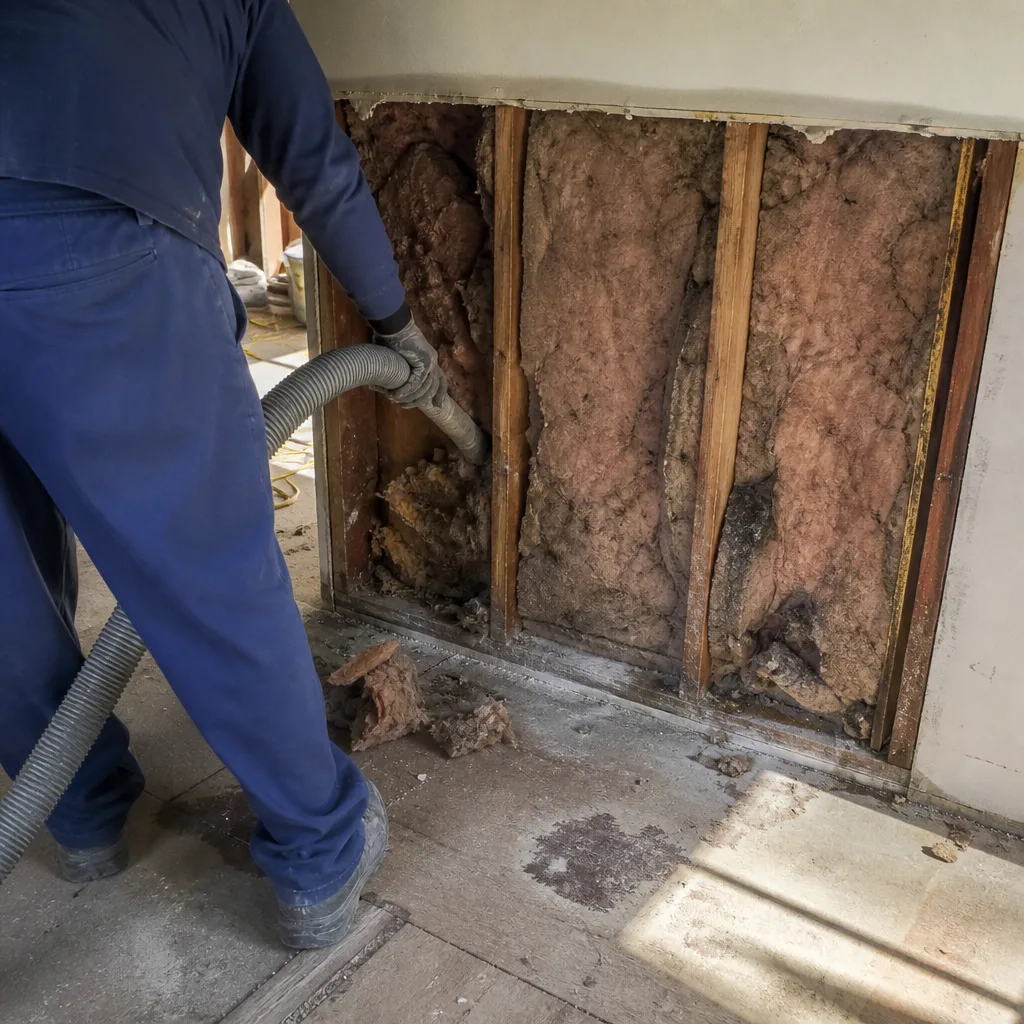 Before
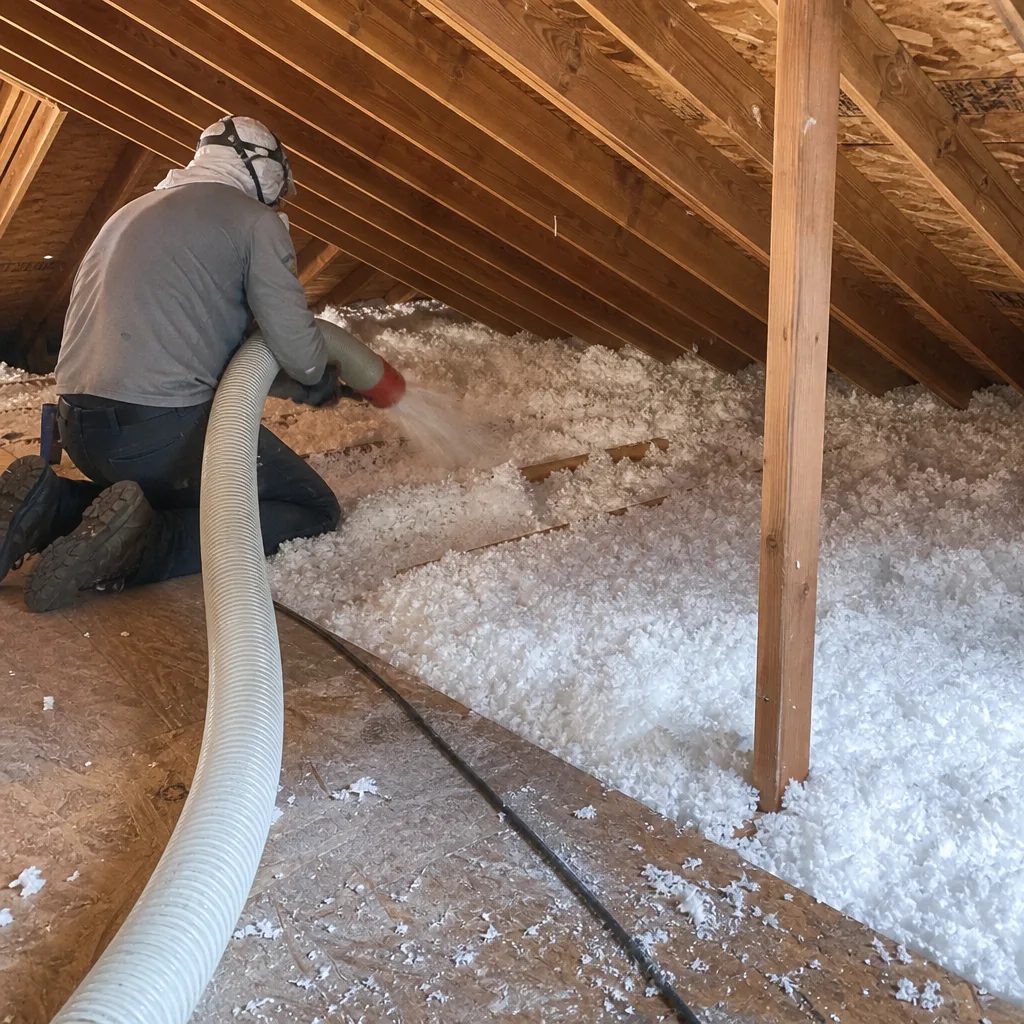 After
AfterReplacement Cost & What’s Included
Complete Icynene-compatible vapor barrier replacement in Palmdale runs $1,800 to $3,400 for most residential crawl spaces between 1,200 and 2,500 square feet. The range breaks down as follows:
| Component | Price Range |
|---|---|
| Removal and disposal of existing barrier | $340 - $580 |
| 10-mil reinforced polyethylene (ASTM E1745 Class A) | $0.52 - $0.68 per sq ft installed |
| Seam tape and termination sealant to stem walls | $180 - $290 |
| Soil-grade dehumidifier pad (if standing water present) | $420 - $680 |
| Labor: 1-2 technicians, 4-7 hours | $720 - $1,150 |
What drives the high end: extensive mold remediation on joists, regrading of the crawl floor for drainage, or replacement of failed sump equipment. What we don’t do: quote one price, then discover “unforeseen conditions” and revise upward. Under Haven Standard Clause 1, you get a written price before any work starts, with every line item specified. The 365-Day Done Right Promise covers material defects and installation workmanship. We also provide a Documented Photo Record showing the old barrier condition, the prepped substrate, and the completed installation with seam detail close-ups.
DIY or Call Us?
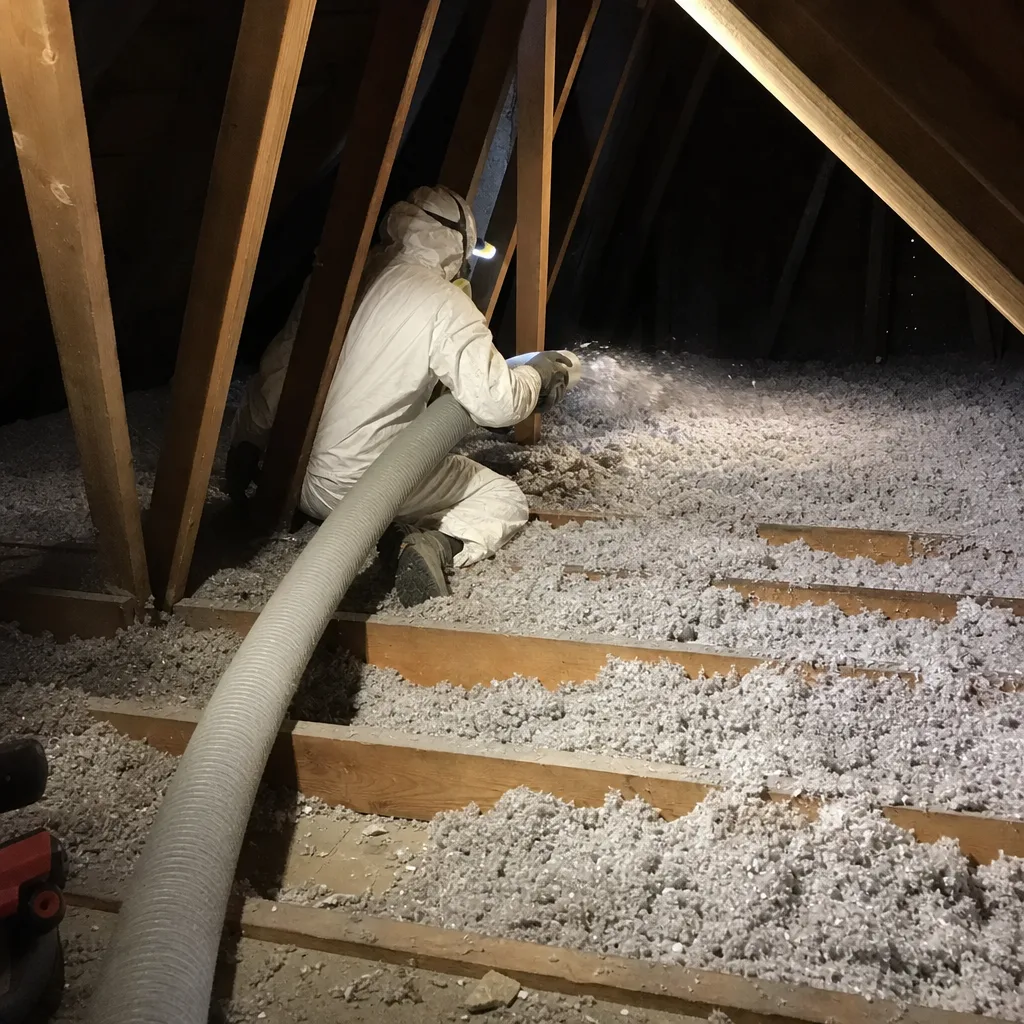
What a homeowner can safely check: the condition of the barrier from the crawl space access hatch, using a flashlight to spot tears, sagging, or efflorescence. Measure the approximate square footage with a tape - it helps us give a tighter phone estimate.
Where DIY goes wrong: vapor barrier installation is not technically complex, but it is physically punishing and detail-critical. The 10-mil material is heavy and unwieldy in confined spaces. Seams must overlap 12 inches and be taped with pressure-sensitive acrylic adhesive rated for damp substrates - duct tape fails in months. The termination at the stem wall requires mechanical fastening and sealant to prevent the “bathtub effect” where water runs down the wall and behind the barrier. Most importantly, if your Icynene foam shows discoloration or soft spots near the rim joist, that’s a moisture intrusion path that new poly alone won’t fix. We’ve replaced three homeowner-installed barriers in the last two years where the root problem was an unsealed plumbing penetration that should have been caught first.
We’re not affiliated with Icynene - we’re an independent service provider - and we work with their materials as one of several systems we install. If you want a second opinion on a quote you’ve already received, bring it to us. We’ll read it with you, line by line, no charge.
Call (661) 403-4467 for a written price before any work starts.
FAQs
A properly installed 10-mil ASTM E1745 Class A barrier lasts 15 to 20 years in Palmdale’s climate, but the 6-mil non-reinforced product we often find in older installations degrades in 5 to 7 years due to UV exposure through foundation vents and thermal cycling. The desert’s 60-degree daily temperature swings in summer cause more expansion-contraction fatigue than coastal climates. If your crawl space has passive vents that aren’t sealed, cut that lifespan estimate by a third. Call (661) 403-4467 and we’ll assess your specific conditions - estimates are free.
Patching works for isolated punctures smaller than a dinner plate if the surrounding material is still supple and the seam can be taped to virgin poly. We don’t recommend patching when there are multiple tears, when the material has gone brittle (it will crack around the patch), or when the failure pattern indicates an underlying problem like negative grading or a plumbing leak. In Palmdale’s hard-water soils, mineral buildup at tear edges prevents tape adhesion. For a repair assessment with no obligation, call (661) 403-4467.
Most residential crawl spaces in Palmdale take one long day: arrival at 8 a.m., removal of old material and debris by noon, substrate prep and installation complete by 4 to 5 p.m. Larger homes or those requiring mold remediation on joists extend to a second day. We don’t rush the seam-taping phase - that’s where the long-term performance lives. You’ll get a text when the crew is en route, and a walkthrough with photos before we leave. Call (661) 403-4467 to check next-day availability.
We stock 10-mil reinforced polyethylene in 12-foot and 16-foot widths on our trucks, along with the acrylic seam tape and polyurethane termination sealant specified for Icynene-adjacent installations. For oddball sizes or the cross-laminated OEM-grade product, we pull from our Lancaster warehouse with next-morning delivery. We don’t leave you waiting because a roll is back-ordered. Call (661) 403-4467 to confirm stock for your square footage.
Topside Attic Insulation Palmdale is independently owned and operated under The Haven Standard since 2016. We also stock parts for Reflectix and other major insulation brands.
Written by Wes Okafor, Owner, Topside Attic Insulation Palmdale at Topside Attic Insulation Palmdale, serving Palmdale and nearby areas.