
Knauf Crawl Space Encapsulation: The Palmdale Owner’s Guide
Knauf crawl space encapsulation systems in Palmdale typically run $3,800-$6,200 installed for a standard 1,200-square-foot crawl space, and we stock Knauf-compatible vapor barrier, seam tape, and drainage matting for same-day starts. Most homeowners discover a problem when they notice a musty smell seeping through floor registers or find their hardwood cupping above the crawl space, especially after Palmdale’s rare but heavy winter rains saturate the Antelope Valley clay soils. We also carry Reflectix products for radiant barrier add-ons when the encapsulation includes HVAC ductwork in the crawl.
Which Knauf Models This Applies To
Knauf doesn’t sell crawl space encapsulation as a single branded “system” the way some manufacturers do. Instead, homeowners end up with Knauf components through two paths: a contractor who specified Knauf insulation products for the crawl space walls or floor joists, or a vapor barrier job where Knauf drainage matting and seam tape were used alongside a generic polyethylene liner. The critical identifier is the mil thickness stamped on your existing vapor barrier, usually found in a corner fold. Knauf-compatible polyethylene runs 6-mil to 20-mil, with 12-mil being the minimum we install in Palmdale because the abrasive desert soil and rodent activity tear thinner barriers within three to five years.
If your crawl has Knauf EcoSeal or Knauf Insulation board on the walls, the encapsulation must integrate with those materials without trapping moisture against them. We’ve seen DIY jobs in the Rancho Vista corridor where homeowners laid new poly over old Knauf batts that were already damp, creating a mold sandwich that cost twice as much to remediate. We source Knauf-compatible materials from our regular suppliers, same as Owens Corning, Johns Manville, and Rockwool, and we’re not affiliated with Knauf, so we match the part to your existing assembly rather than pushing a proprietary kit.
Signs Your Knauf Crawl Space Encapsulation Is Failing
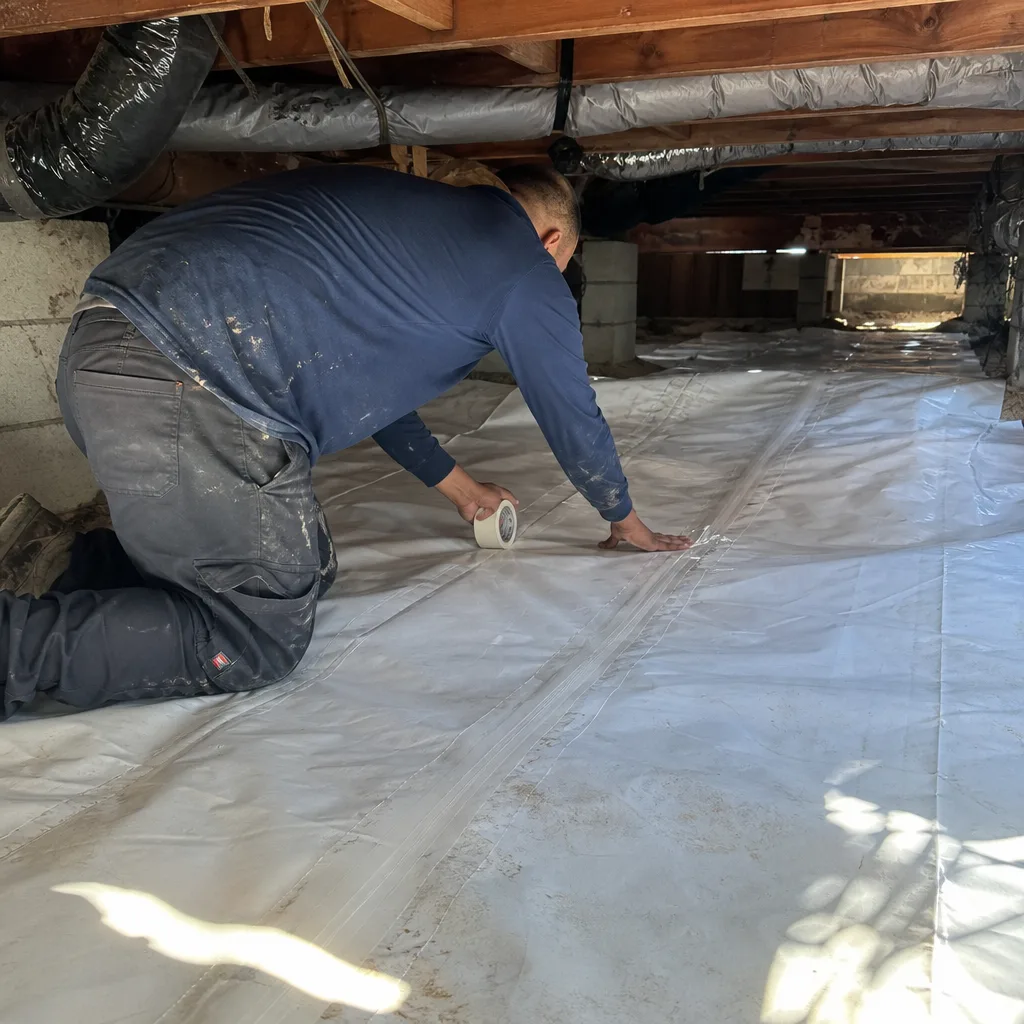
- Musty odors rising through floor gaps. When the vapor barrier separates at seams or tears at pier footings, soil moisture evaporates into the crawl space and migrates upward through subfloor cracks. In Palmdale’s dry climate, this usually means a recent plumbing leak or seasonal groundwater rise, not ambient humidity.
- Hardwood or laminate cupping above the crawl. Wood absorbs moisture from below, expanding across the grain. We measure subfloor moisture content with a pinless meter; readings above 16% indicate active vapor drive that the barrier isn’t stopping.
- White or gray mold on floor joists or insulation. Knauf fiberglass batts lose R-value when damp and compress, and the paper facing on some Knauf products becomes a mold food source. This isn’t a Knauf defect; it’s a moisture management failure that requires removing the wet material before re-encapsulating.
- Pest activity or rodent trails under the barrier. Torn poly creates highways for rodents, and their nesting compresses insulation while introducing moisture through urine. In Palmdale’s desert edge environment, pack rats and ground squirrels are the usual culprits, not termites.
- Standing water or efflorescence on the crawl floor. White mineral deposits on concrete or block indicate water wicking through masonry. The encapsulation alone won’t fix this; drainage correction or a sump pump may be needed first, which we assess during our initial inspection.
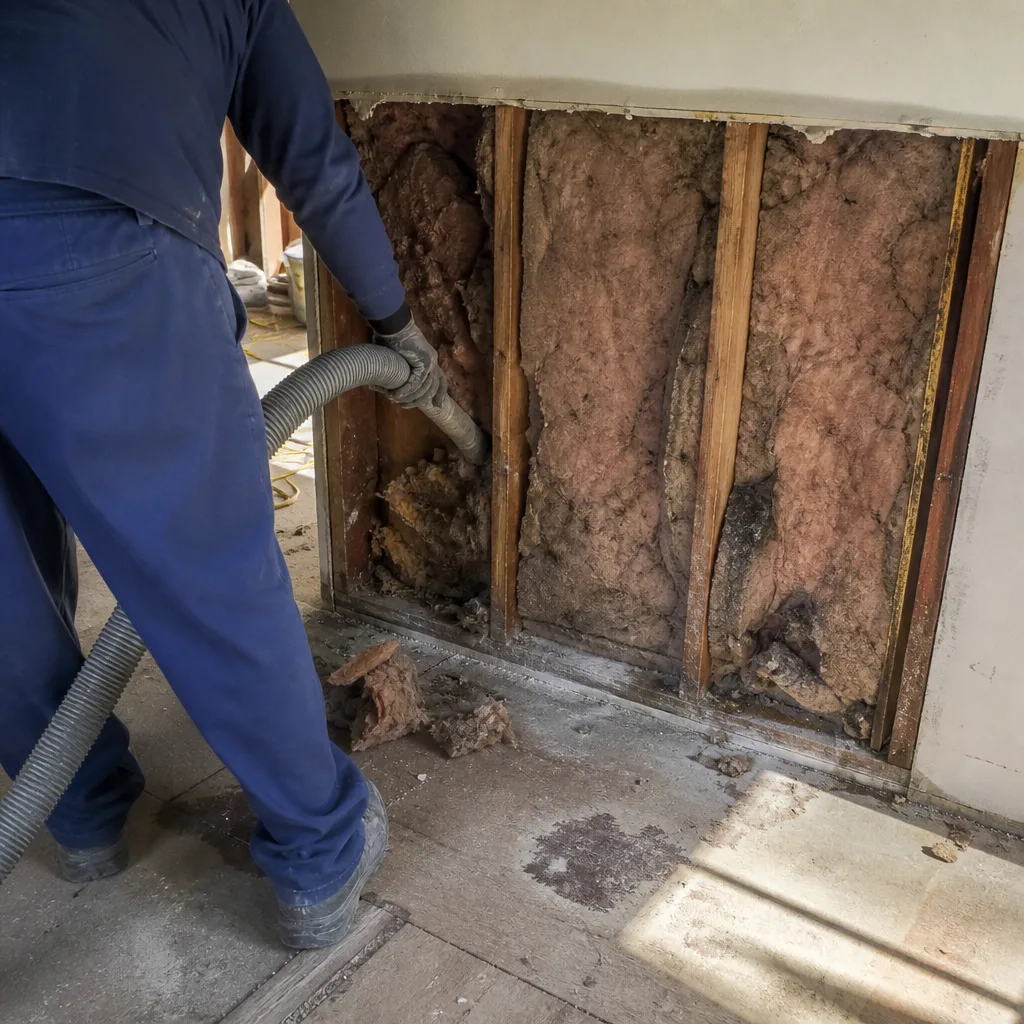 Before
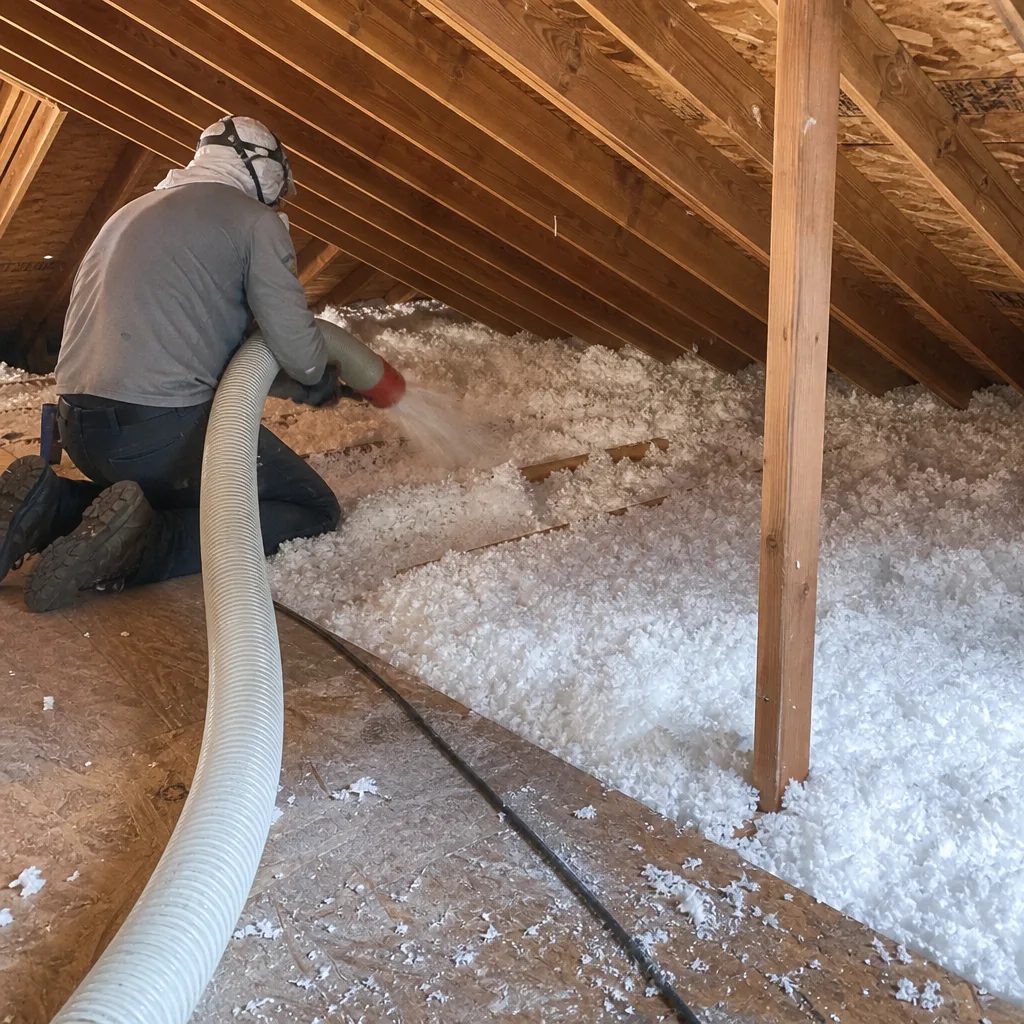 After
AfterReplacement Cost & What’s Included
| Component | Palmdale Price Range |
|---|---|
| Vapor barrier replacement (12-mil poly, 1,200 sq ft crawl) | $2,400-$3,800 |
| Full encapsulation with drainage matting and dehumidifier prep | $4,200-$6,200 |
| Knauf insulation board removal and replacement (wet/damaged) | $1,800-$2,800 additional |
| Sump pump or gravity drainage install (if needed) | $1,200-$2,400 additional |
What drives the range: crawl height (less than 18 inches requires specialized equipment), number of piers and HVAC ducts to work around, whether existing Knauf materials are salvageable, and whether the home sits on expansive clay that needs a drainage layer beneath the poly. Every job starts with a written price under Haven Standard Clause 1, flat and complete, before anyone enters the crawl space. The 365-Day Done Right Promise covers all encapsulation work, and you receive a Documented Photo Record showing before, during, and after conditions, plus a written warranty.
DIY or Call Us?
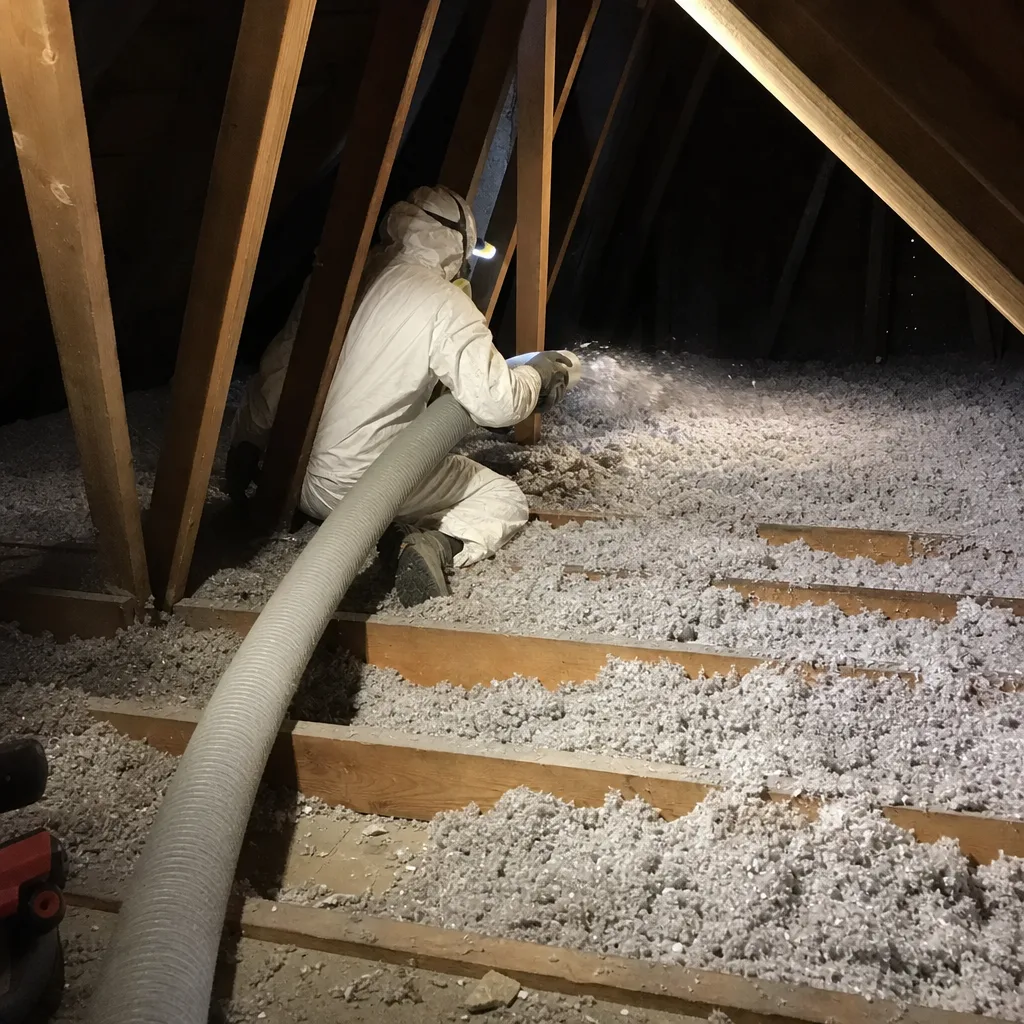
What you can safely check yourself: the mil rating on your existing vapor barrier, whether seams are lifting at the tape line, and whether your crawl space vents are open or sealed (they should be sealed in a proper encapsulation). A flashlight and a moisture meter from the hardware store will tell you most of what you need to know.
Where DIY goes wrong: cutting and seaming polyethylene in a confined space with limited headroom creates folds and gaps that trap moisture. The tape that works for housewrap won’t hold crawl space poly against damp concrete. And if your existing Knauf insulation is wet, disturbing it without respiratory protection exposes you to fiberglass and potential mold spores. We’ve redone three Palmdale DIY encapsulations in the last two years where the homeowner used 6-mil painter’s plastic that shredded in eighteen months. Seal the leaks first. The insulation is just the last step. Call (661) 403-4467 and we’ll give you a written price before any work starts, plus a free second opinion if you already have another estimate in hand.
FAQs
A properly installed 12-mil or thicker vapor barrier with sealed seams lasts 15-20 years in Palmdale’s dry climate, though rodent damage and plumbing leaks are the usual failure modes, not UV degradation or material fatigue. The desert sun isn’t a factor below grade, but the seasonal expansion and contraction of clay soils around pier footings can stress seams. Call (661) 403-4467 for an inspection if you’re past year ten.
Small punctures under two inches can be patched with compatible seam tape if the surrounding poly is still flexible and the subsoil is dry. Multiple tears, delaminated tape, or brittle polyethylene means replacement; patches on failing material peel within a season. We carry Knauf-compatible tape on our truck for repairs when the underlying barrier is sound.
A standard 1,200-square-foot crawl space with removal of old material, installation of new 12-mil poly with sealed seams, and reinstallation of any salvageable Knauf insulation takes one to two days. Add a day if drainage correction or sump pump work is needed. We start with a written scope so you know the timeline before we begin.
We stock 12-mil and 20-mil polyethylene vapor barrier, Knauf-compatible seam tape, drainage matting, and mechanical fasteners on every truck serving Palmdale, including the Rancho Vista and Quartz Hill areas. Same-day starts are available for standard sizes; custom-cut widths or specialized dehumidifier integration may require a next-day material pull. Call (661) 403-4467 to confirm stock for your specific crawl dimensions.
Written by Wes Okafor, Owner, Topside Attic Insulation Palmdale at Topside Attic Insulation Palmdale, serving Palmdale and nearby areas.