
How Much Does Radiant Barrier Installation Cost in Palmdale?
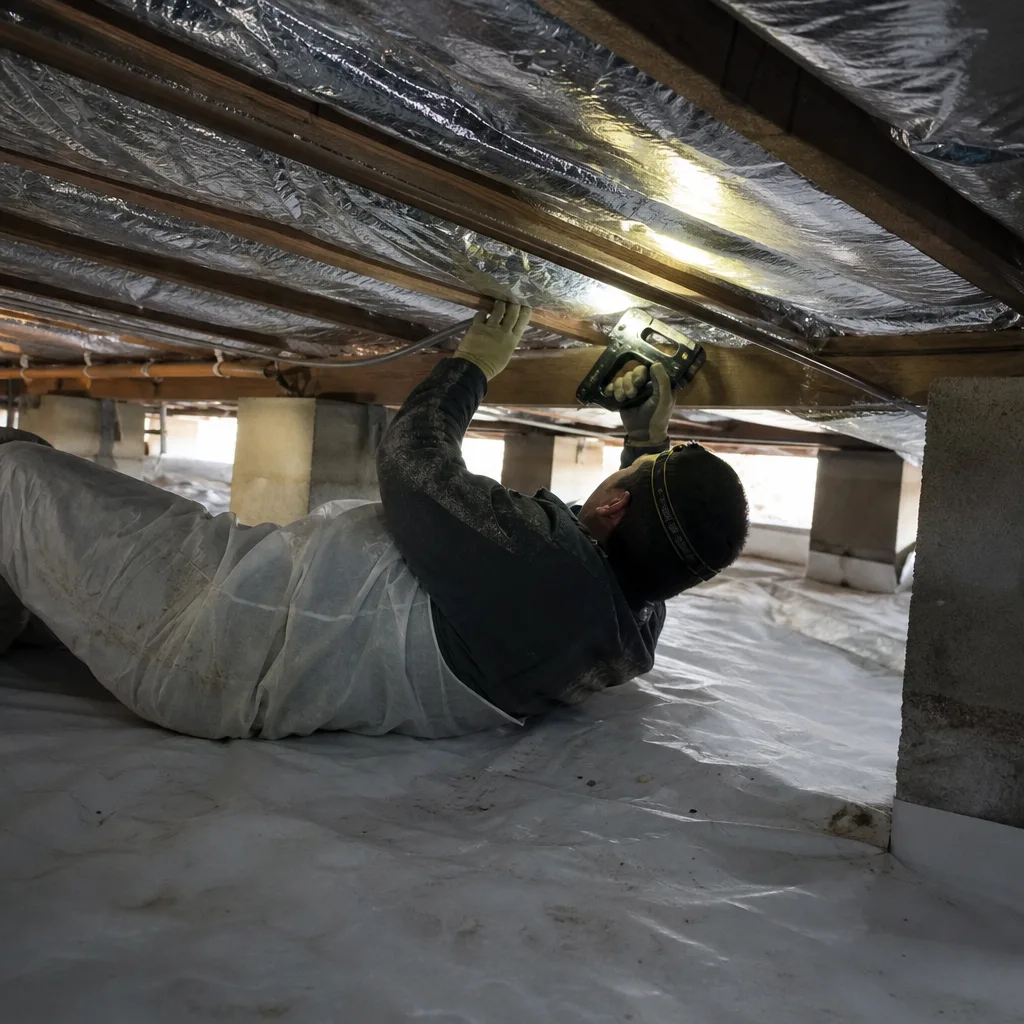
Radiant barrier installation in Palmdale, CA typically costs between $1,400 and $3,200 for a standard single-story home with an attic footprint of 1,000 to 2,500 square feet. Most Palmdale homeowners land around $1,800 to $2,400 after accounting for attic access, roof pitch, and whether any prep work is needed. That range is for professionally installed Radiant Barrier Installation services using a foil-faced barrier stapled to the underside of the roof rafters – the method that works best in the Antelope Valley’s desert climate.
Radiant Barrier Installation Cost Breakdown (2026)
Radiant barriers work by reflecting radiant heat – the infrared energy your roof deck absorbs during a 105-degree Palmdale afternoon – before it can transfer into your attic air and then into your living space. The cost depends on square footage, access conditions, and whether you’re combining the barrier with other attic work. Here’s how the numbers break down for the Palmdale market in 2026:
| Scope of Work | Typical Price Range (Palmdale) |
|---|---|
| Small attic – up to 1,000 sq ft (staple-up installation) | $900 – $1,500 |
| Mid-size attic – 1,000 to 1,800 sq ft | $1,400 – $2,200 |
| Large attic – 1,800 to 2,500 sq ft | $1,900 – $3,000 |
| Very large or complex attic – 2,500+ sq ft, multiple sections | $2,800 – $4,500+ |
| Radiant barrier + attic air sealing (combined scope) | $2,200 – $4,800 |
| Radiant barrier + blown-in insulation (combined scope) | $2,800 – $5,500 |
| Material only (DIY foil roll, no labor) – not recommended | $200 – $600 |
A few things to keep in mind about those ranges. Palmdale’s stock of 1980s and 1990s tract homes – the subdivisions off Rancho Vista Boulevard, in the Anaverde area, and throughout the Quartz Hill corridor – tend to have straightforward gable-roof attics that fall cleanly in the mid-range. Homes built in the 2000s and later around West Palmdale often have hip roofs with more complex framing, which adds labor time and pushes cost toward the upper end of each bracket. The material difference between a single-sided foil barrier and a double-sided foil barrier with an air gap matters too: double-sided products typically add $0.15 to $0.30 per square foot to material cost, but they perform better when the installed product risks contact with adjacent surfaces.
At Envelope Insulation Co., every job starts with a written price before any work begins – that’s Haven Standard Clause 1, and we don’t deviate from it. You’ll have a flat price and a written scope in hand before anyone touches a staple gun. If you want to compare that against another estimate, we’ll read the competing quote with you at no charge – that’s our Free Second Opinion on any written estimate.
What Affects Radiant Barrier Installation Pricing in Palmdale
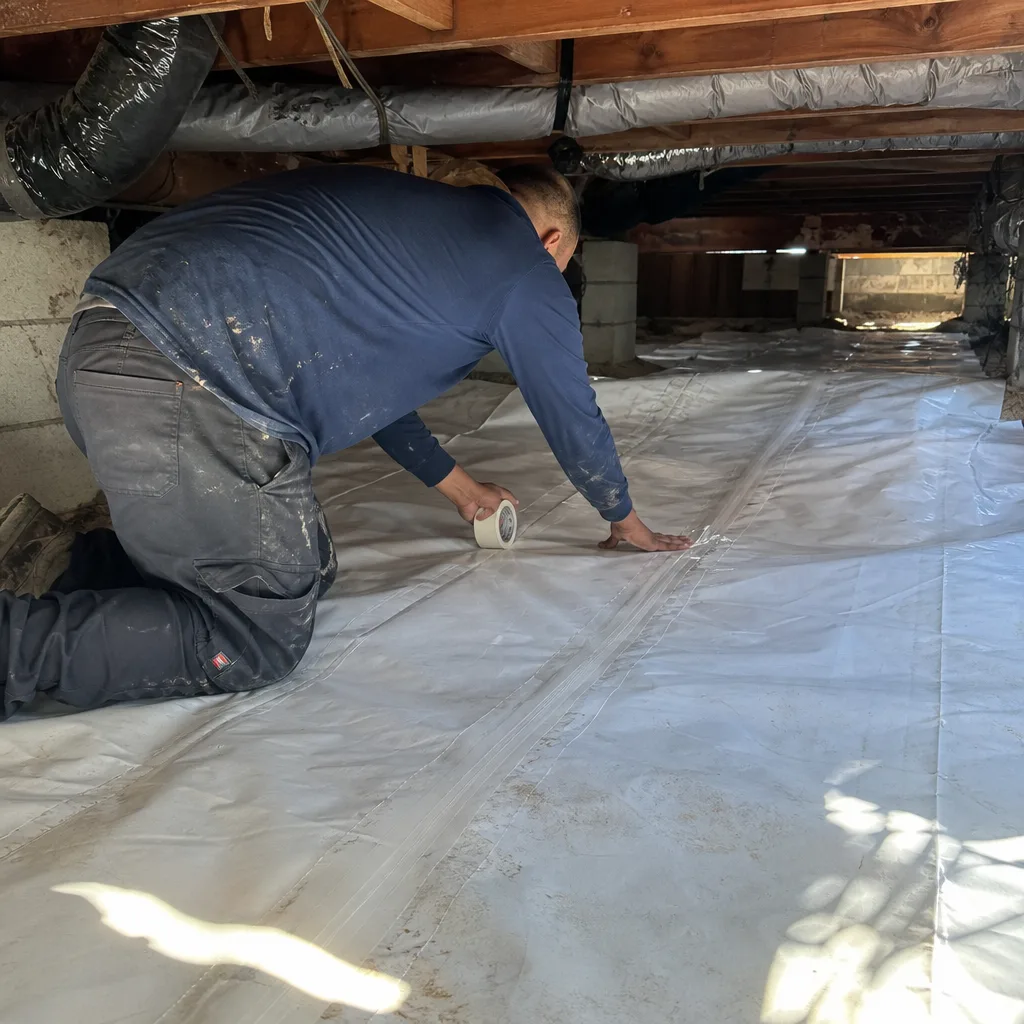
Palmdale’s climate is the single biggest argument for a radiant barrier in the first place – summer attic temperatures here regularly exceed 150°F, sometimes hitting 160°F on the south-facing roof sections of homes in the Shadow Pines and Antelope Acres areas. But that same climate affects installation conditions and, by extension, pricing. Here are the six factors that move the number up or down most predictably:
- Attic square footage: This is the primary cost driver. Material is priced by the square foot, and labor scales with it. A 1,200-square-foot attic footprint will take roughly four to six hours for two technicians on a clean, accessible job. A 2,800-square-foot attic with multiple framing sections can easily run twelve hours or more.
- Roof pitch and framing complexity: Steeper pitches and hip roofs mean more linear feet of rafter to cover and more awkward positioning for the crew. A standard 4:12 pitch is straightforward. A 7:12 or steeper on a hip-roof home – common in some of the newer Palmdale developments near Avenue S and 47th Street East – can add $200 to $600 to the total depending on scope.
- Attic access and clearance: Low-clearance attics – anything under 24 inches at the working area – slow the installation significantly. Some older Palmdale homes, particularly the ranch-style builds from the late 1970s near Palmdale Boulevard, have attic access points that require the crew to work flat-on-their-back for stretches. That adds time and cost.
- Existing insulation depth: If you already have blown-in insulation sitting on the attic floor, a staple-up installation on the rafters is unaffected. But if the goal is to install a laid-over radiant barrier directly on top of existing insulation, that product needs to be perforated to allow moisture vapor to escape – non-perforated foil laid flat on insulation can trap humidity and create a condensation problem, which is a real concern even in a desert climate when nighttime temperature swings are significant. Perforated material costs slightly more.
- Combination with air sealing or insulation: In Palmdale, we treat air sealing as a hard prerequisite – not an upsell – because a radiant barrier does its job reflecting heat, but a leaky attic floor still lets conditioned air escape through top plates, can lights, and penetrations. When air sealing is done at the same time as a radiant barrier installation, we’re already in the attic with the crew, which reduces the combined cost compared to scheduling them separately. Combined jobs in Palmdale run $2,200 to $4,800 depending on what the attic floor needs.
- Permit requirements: Los Angeles County jurisdictions, including Palmdale, generally do not require a separate building permit for radiant barrier installation alone when it’s being added to an existing attic without structural changes. However, if the radiant barrier is part of a larger energy retrofit that includes electrical work – recessed light replacement, for example – permit requirements change. We pull permits wherever they apply; your written scope will note this explicitly.
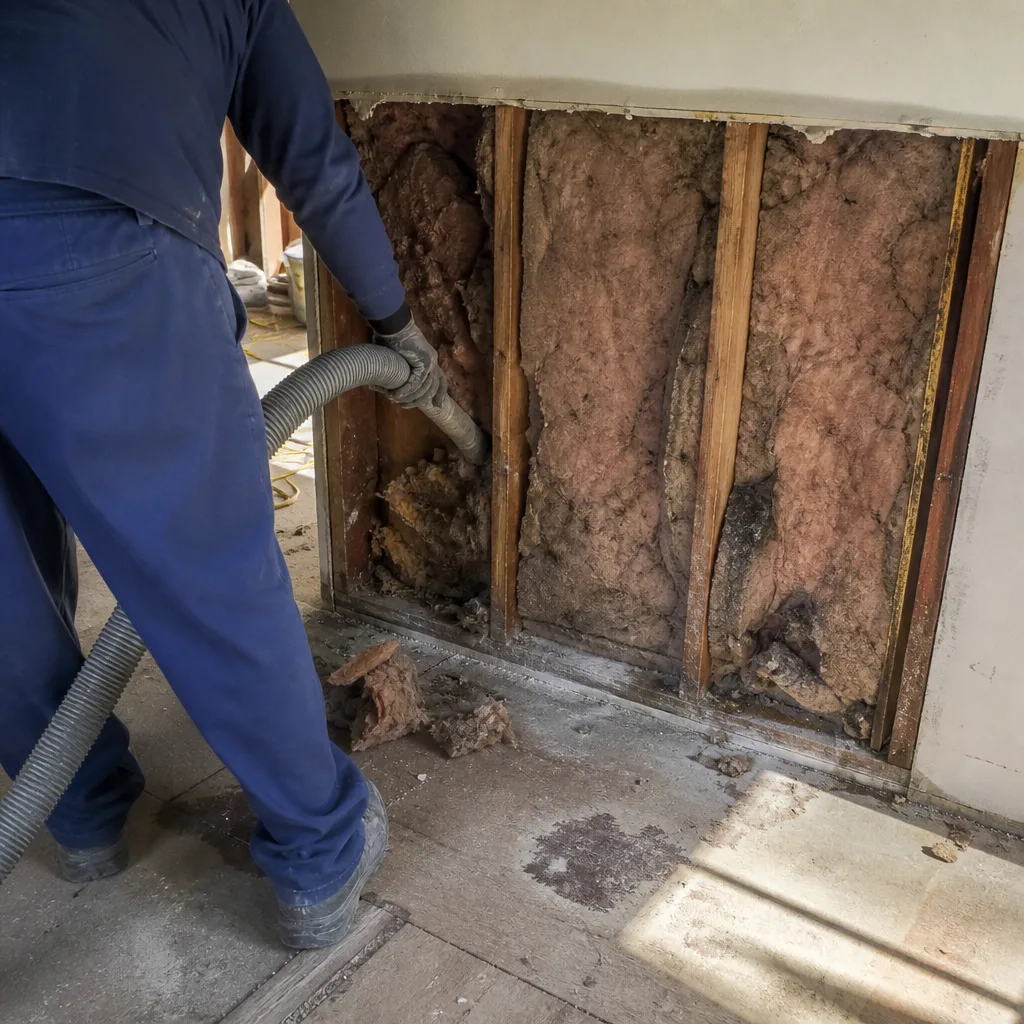 Before
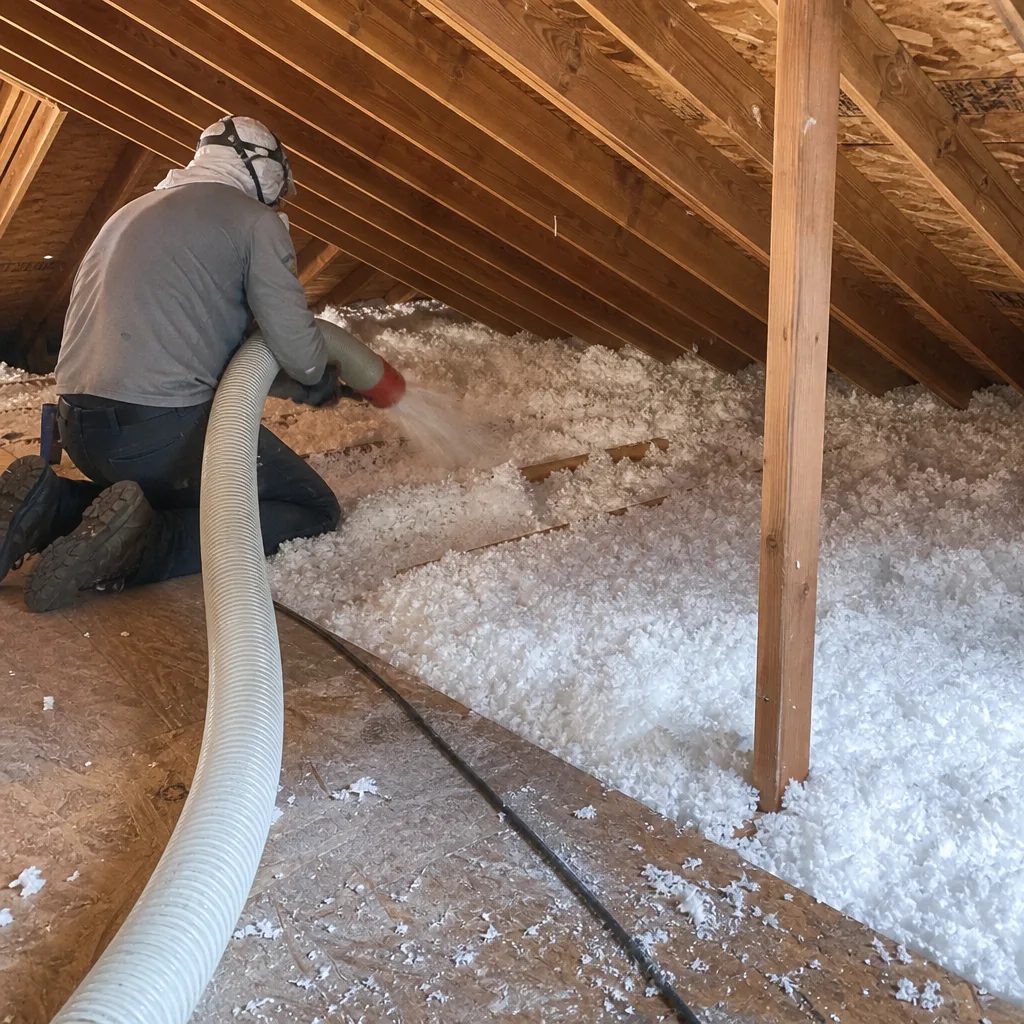 After
AfterWhy Palmdale Homes Benefit More Than Most
The Antelope Valley’s climate data is worth naming directly. Palmdale averages about 287 sunny days per year, with July high temperatures consistently running 97°F to 104°F. On a clear summer afternoon, a dark composite shingle roof in Palmdale absorbs solar radiation and radiates heat into the attic as infrared energy – that’s the mechanism a radiant barrier interrupts. Studies by the Florida Solar Energy Center, which examined radiant barriers under conditions comparable to Southern California’s high-desert summer, found attic temperature reductions of 20 to 30°F when a properly installed foil barrier was present.
In practical terms, homeowners in Palmdale’s Desert Rose and Mountain View Acres neighborhoods who’ve had radiant barriers installed as part of a full-attic job have reported meaningful reductions in the time their HVAC systems run during peak afternoon hours – which is where the bulk of a Palmdale energy bill accumulates. We’re not going to give you a specific dollar-savings guarantee because savings depend on your existing insulation depth, your HVAC system efficiency, your thermostat behavior, and a dozen other variables. What we can show you is the before-and-after documentation from the job: the attic photos, the insulation measurements, and on applicable jobs, the blower-door readings – a pressurization test that shows, in a single number, how much conditioned air the home was losing before and after air-sealing work.
If you want to understand what the full building envelope looks like on your specific home before committing to any scope of work, a home energy audit is the logical starting point. It gives you an attic inspection, air-leakage data, and a written report of what we found – not what we think you should buy.
Radiant Barrier vs. Attic Insulation: Which Should You Do First in Palmdale?
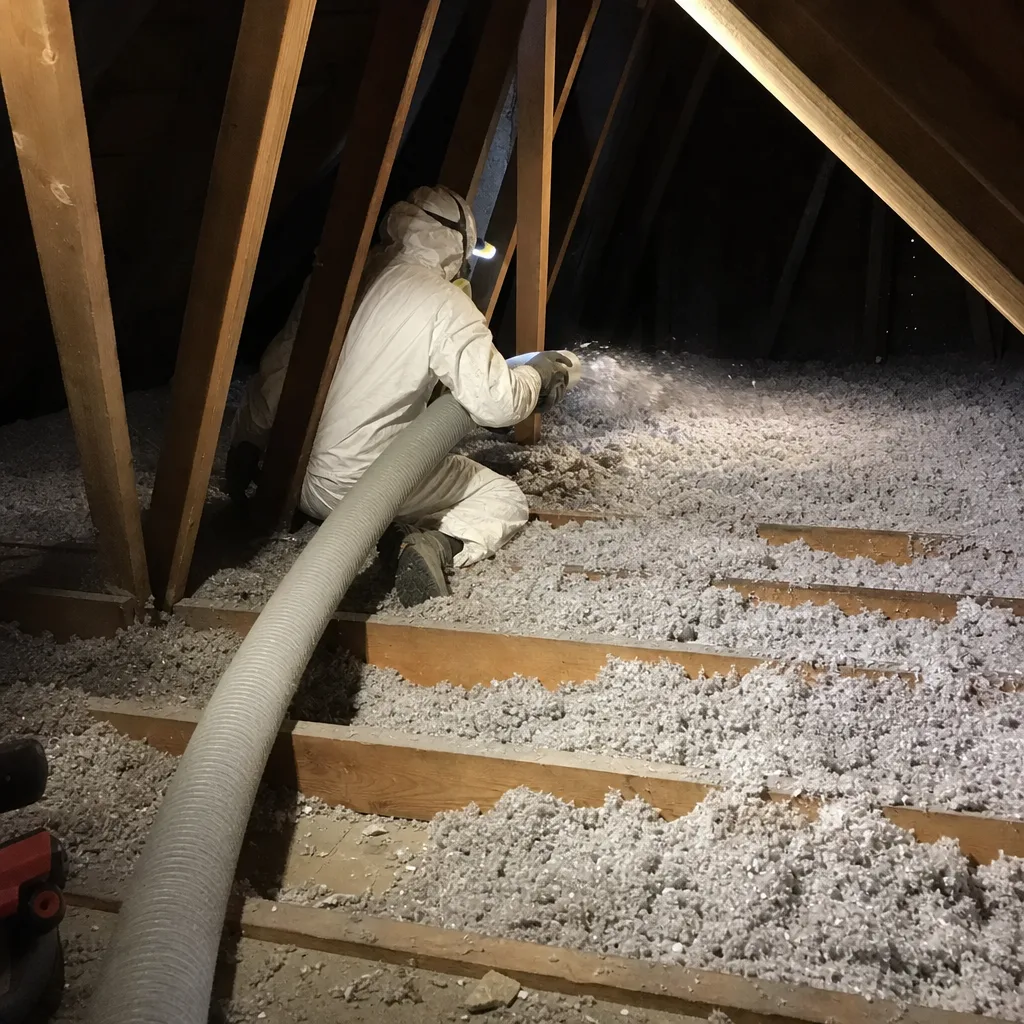
This comes up in nearly every estimate we run in Palmdale, and the answer isn’t one-size-fits-all. Here’s the working rule we use:
- If your existing attic insulation is at or above R-38 (roughly 12 inches of blown-in fiberglass), a radiant barrier is the next logical upgrade. Adding more insulation past R-38 returns diminishing results in a climate that sees high radiant loads all summer.
- If your insulation is below R-30, adding insulation first will typically deliver a larger energy impact per dollar than a radiant barrier. We’ve been in attics in the Rancho Vista area that showed 4 to 5 inches of old fiberglass batts – far below current California Title 24 requirements. In that case, insulation wins the priority argument.
- If you’re starting from near-zero – homes built before 1980 sometimes had almost nothing installed – you need both, and you need the air sealing done before either.
Our approach at Envelope Insulation Co. is to seal the attic floor first, then insulate, then install the radiant barrier on the rafters. That sequence matters. Blown-in insulation on top of unsealed penetrations is like putting a blanket over a window that’s cracked open. The barrier handles the radiant load from above; the insulation handles the conductive and convective heat transfer from below; the air sealing handles the conditioned-air loss through the building envelope. All three working together is what actually changes a HVAC runtime. Doing any one of them in isolation is better than nothing, but not as good as it should be for what you’re spending.
You can learn more about how we approach the full scope on our Radiant Barrier Installation in Palmdale service page, which covers materials, installation method, and what the job looks like from estimate to close-out documentation.
How to Save on Radiant Barrier Installation
There are a few ways to get real cost savings on a radiant barrier job in Palmdale – and one that looks like savings but often isn’t.
- Combine it with other attic work you already need. If your attic insulation is due for an upgrade or you’ve been putting off air sealing, scheduling the radiant barrier at the same time as those jobs cuts the effective cost of each. The crew is already in the attic. Setup and breakdown time is shared. On jobs in Palmdale where we’ve done all three in one visit, the combined invoice typically runs 15 to 20 percent less than if each scope had been booked separately.
- Check SoCalGas and SCE rebate programs. Southern California Edison periodically offers rebates for qualifying energy-efficiency improvements, and the specifics change annually. In 2025 and into 2026, SCE’s residential rebate catalog included insulation upgrades meeting Title 24 requirements. Radiant barriers alone don’t always qualify as a standalone measure, but combined attic packages sometimes do. Your written scope from us will note which components may qualify; you submit the rebate paperwork directly.
- Get a real second opinion – not just a second price. A number without a written scope is not an estimate; it’s a guess. If you already have a written quote from another contractor, bring it to us. We’ll read it line by line with you at no charge and point out what’s included, what’s missing, and what’s vague – under our Free Second Opinion on any written estimate. We’ve seen Palmdale quotes that looked lower but excluded attic prep, disposal of old insulation, or required a second visit for materials that weren’t on the truck.
- Don’t skip the air sealing to save money short-term. We’ve done warranty callbacks – under the 365-Day Done Right Promise – on jobs where homeowners at other companies skipped air sealing to reduce upfront cost and then called us because the performance change they expected didn’t materialize. In Palmdale, where attic-floor penetrations are common in any home built before 2010, an unsealed attic floor eats a significant portion of what the radiant barrier is supposed to accomplish. Doing it right the first time is cheaper than redoing it.
- Schedule outside peak summer rush. Spring and late fall are our best availability windows in Palmdale. Demand spikes hard in June when homeowners realize their HVAC is already struggling. Jobs booked in March, April, October, or November are easier to schedule, and the attic conditions are more manageable for the crew – which means a cleaner, faster installation.
To get a written price for your specific attic before any work begins, call (661) 403-4467. The estimate is free, the price is flat, and the scope is written – that’s not a sales pitch, it’s just how we operate.
FAQs – Radiant Barrier Installation Cost in Palmdale
How much does radiant barrier installation cost in Palmdale, CA?
Radiant barrier installation in Palmdale costs $1,400 to $3,200 for most single-story homes with attics between 1,000 and 2,500 square feet, with the most common range landing between $1,800 and $2,400. Larger homes, complex hip roofs, or low-clearance attics push toward the higher end. Combined attic packages that include air sealing and blown-in insulation run $2,800 to $5,500 depending on scope. Call (661) 403-4467 for a written price specific to your home’s attic – the estimate costs you nothing.
Is a radiant barrier worth it in Palmdale’s climate?
Yes – Palmdale is one of the strongest use cases for a radiant barrier in California. With average summer highs above 100°F and 287 sunny days per year, roof-deck radiant heat is a primary driver of attic temperatures here. Attic temperatures in unconditioned Palmdale attics regularly exceed 150°F in July; a properly installed foil barrier can reduce that by 20 to 30°F, which reduces the thermal load on your insulation and shortens HVAC runtime during peak afternoon hours. The value is clearest when it’s installed as part of a sealed, well-insulated attic – not as a standalone fix over an air-leaky, under-insulated floor.
How long does radiant barrier installation take in Palmdale?
Most standard installations take 4 to 8 hours for a mid-size Palmdale attic (1,200 to 2,000 square feet) with two technicians. Larger or more complex attics – particularly homes with hip roofs, multiple attic sections, or very low clearance – can run a full day. When radiant barrier installation is combined with air sealing and blown-in insulation, the combined scope typically takes one to two full days. You’ll know the estimated timeline before work starts because it’s written into your scope.
Can I install a radiant barrier myself in Palmdale?
You can purchase foil radiant barrier material for $200 to $600 in rolls and install it yourself, but a few things are worth knowing before you go that route. Working in a Palmdale attic during summer – even in the early morning – means working in extreme heat. Attic temperatures in July can exceed 140°F by 9 a.m. on a clear day, which is a genuine safety risk. Beyond heat exposure, the installation method matters: foil that’s improperly stapled, that has too many gaps at joints, or that’s installed without maintaining an air gap on at least one side performs significantly below its rated reflectivity. A poorly installed barrier is not much better than no barrier. If you’re comparing DIY material cost to professional installation cost, the performance gap and the safety consideration are part of that calculation.
Does Palmdale require a permit for radiant barrier installation?
For a standalone radiant barrier installation in an existing attic without structural changes, Los Angeles County and the City of Palmdale generally do not require a separate building permit. However, if the installation is part of a broader energy retrofit that includes replacing or modifying electrical fixtures – recessed light replacement, for example – the scope may trigger a permit requirement. We assess permit requirements on every job; your written scope will state whether a permit is required and who pulls it. Permits pulled by the contractor are included in your written price – no separate permit-fee surprise after the fact.
What’s the difference between a radiant barrier and attic insulation, and which should I do first?
A radiant barrier reflects infrared heat before it enters your attic air – it’s a reflective surface, not an insulating layer. Attic insulation (blown-in fiberglass, blown-in cellulose, or batts) slows the transfer of heat that has already entered the attic. They work on different mechanisms and are most effective together. In Palmdale, if your current insulation is below R-30, upgrading insulation should come first; if you’re already at R-38 or above, a radiant barrier delivers the next meaningful incremental gain. If you’re not sure what you have, the attic inspection that comes with a free estimate will tell you exactly what’s there, in inches and R-value, before we recommend anything.
What You’ll Have When We’re Done
Every Envelope Insulation Co. job in Palmdale closes the same way, whether it’s a $1,600 single-scope radiant barrier or a $4,800 full-attic package. You’ll have a written scope that matches the work that was done, a Documented Photo Record showing the attic before and after the installation, and on jobs that include air sealing, before-and-after blower-door readings – a pressurization measurement that gives you one number showing how much conditioned air the home was losing before we started and how much it was losing when we left. That documentation isn’t available on request; it’s included on every applicable job.
The 365-Day Done Right Promise applies to all completed work. If something isn’t right – a stapled seam that separated, a section that was missed, anything – we come back and make it right. That promise is written into your job documentation, not just stated verbally.
Wes Okafor leads our team at Envelope Insulation Co. and has built the company around one operating principle: put the evidence on paper before work starts and after it finishes, and let the documentation do the talking. Since 2016, that approach has carried us through more than 9,000 homes sealed and insulated across the Antelope Valley and beyond – every one with a written price before work began.
If you’ve read through this guide and want a written number for your specific home, call (661) 403-4467. A live person answers – not a voicemail – and we’ll get a free estimate scheduled at a time that works for you. The estimate is free, the price is written, and no work starts until you’ve signed off on the scope.
Written by Wes Okafor, Owner at Envelope Insulation Co. (operating as Topside Attic Insulation Palmdale), serving Palmdale, CA since 2016.
Pricing reflects the Palmdale market as of 2026. Topside Attic Insulation Palmdale offers free estimates – call (661) 403-4467.
What Our Customers Say
"They air-sealed the attic floor before insulating and showed me the blower-door number before and after. The upstairs is finally the same temperature as downstairs."
- Marisol D."The winter gas bill dropped by about a third. They had estimated a quarter, so they under-promised."
- Genevieve R."Two other companies quoted to blow more insulation on top of what was there. These were the only ones who said the existing material had to come out first, and explained why."
- Clifford E.