
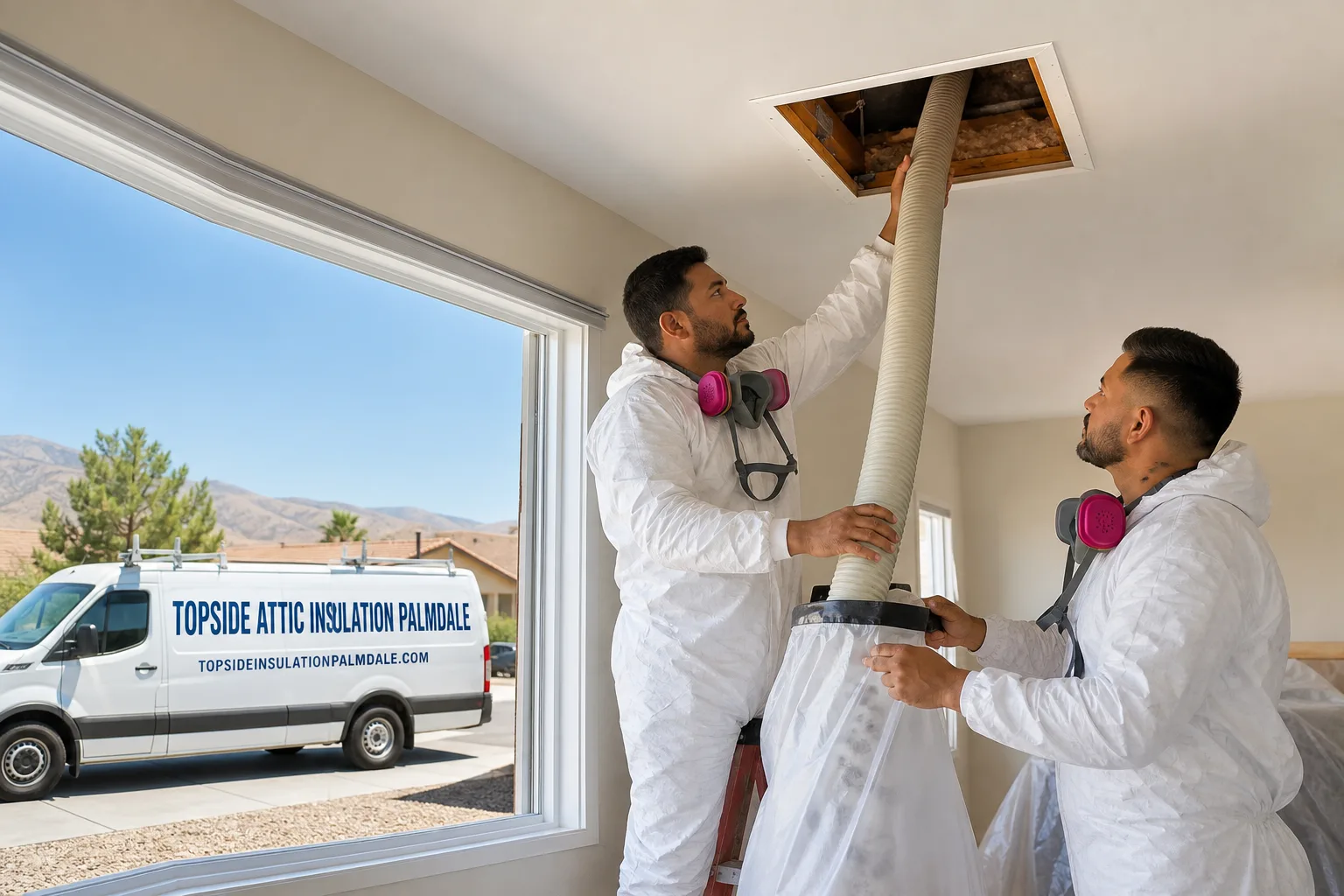
Fast, Reliable Attic Insulation Across Littlerock
Most attic insulation jobs in Littlerock run $2,800-$6,500 for a full replacement on a typical single-family ranch home, and our crews can usually inspect and quote within 24-48 hours. We’re familiar with the Antelope Valley’s high-desert conditions - the 3,000 ft elevation, the 100°F July afternoons, the below-freezing January dawns - and we know how those temperature swings punish insulation that wasn’t specified for this climate. Dispatch and scheduling are coordinated from our Los Angeles office, but crews serve Littlerock locally, including the ranch properties off Fort Tejon Road, the manufactured home communities near Avenue S, and the older agricultural-era homes scattered through the unincorporated blocks. Call (661) 403-4467 for a free estimate.
Why Topside Attic Insulation Palmdale Is Littlerock’s Preferred Attic Insulation Company
We’ve worked on enough Littlerock attics to recognize the pattern before we climb the ladder: compressed fiberglass batts from the 1960s or 1970s, often rodent-compromised, rarely meeting any modern R-value target. Our reviews from Littlerock customers consistently mention the before-and-after difference in furnace and AC runtime - not vague comfort claims, but documented changes in energy use. Response time to Littlerock typically runs same-day or next-day for inspections, since our crews are already routing through the Antelope Valley for Palmdale and Lancaster jobs. We know the local building department requirements for unincorporated LA County parcels, and we know which Littlerock neighborhoods sit on well water versus municipal supply - a detail that matters when we’re sealing around plumbing penetrations in the attic floor.
Our Attic Insulation Services in Littlerock
Attic Insulation Replacement
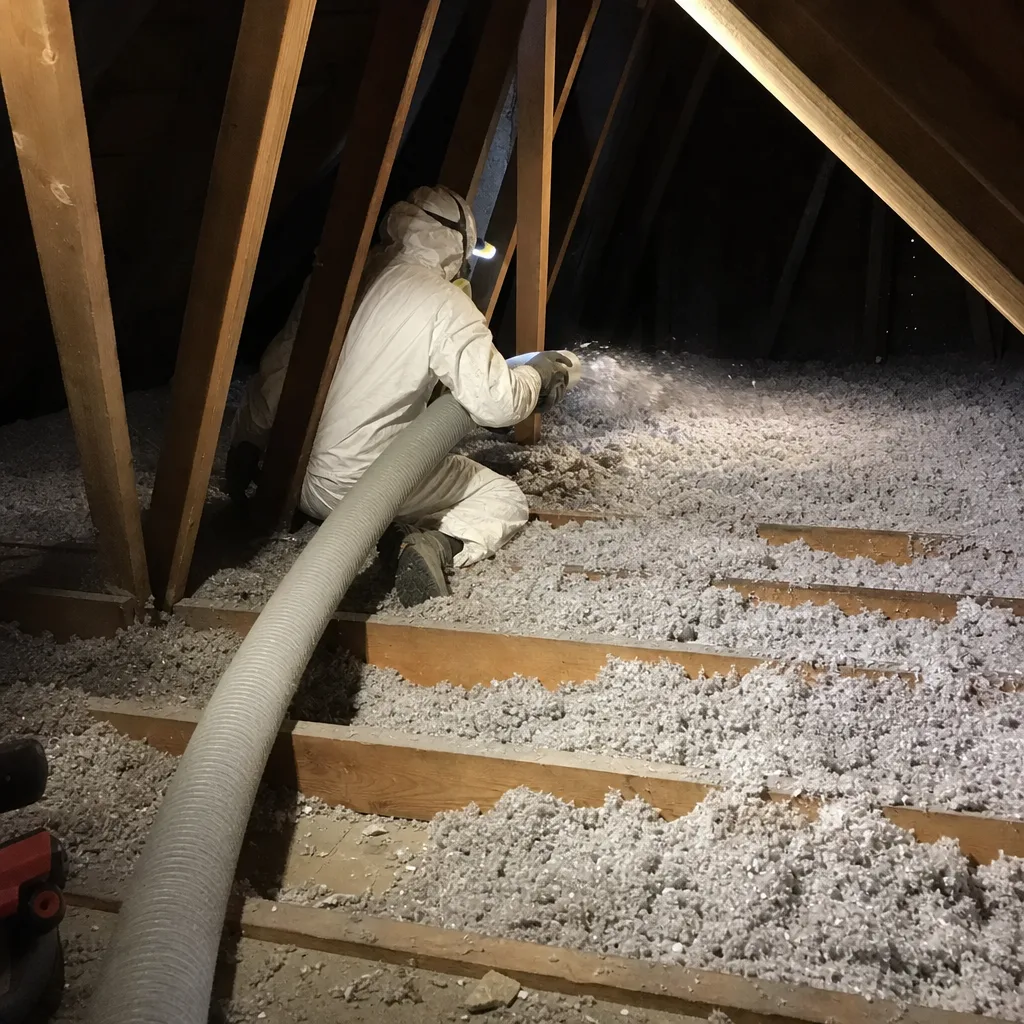
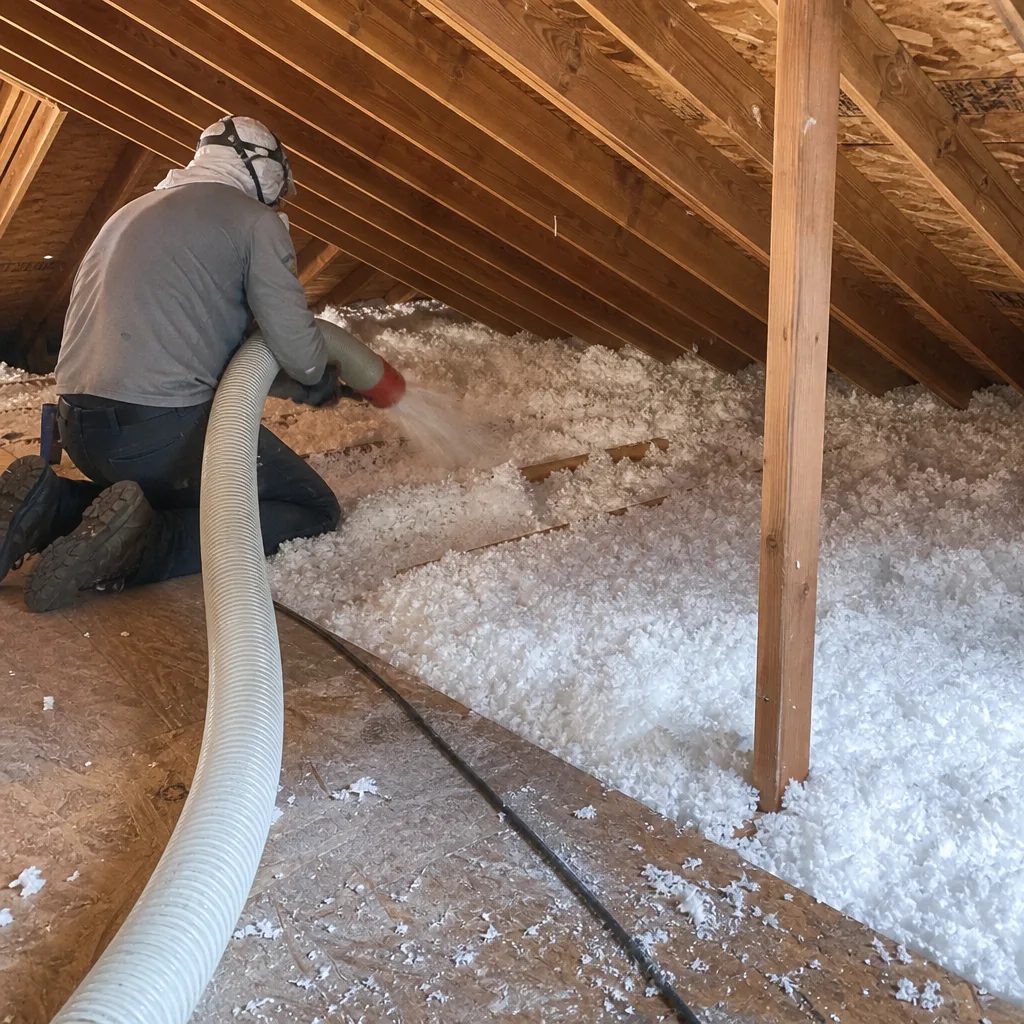
This is the service we recommend most often in Littlerock. The 1950s-1970s agricultural-boom ranch homes and mobile homes that dominate the local housing stock were insulated under pre-Title 24 rural LA County standards, and what’s left in those attics is usually compressed, UV-degraded, and rodent-contaminated. We remove the old material entirely, air-seal top plates and penetrations, then install new insulation to a uniform depth with documented coverage. On a 1960s ranch off Fort Tejon Road, our crew pulled out what was left of the original fiberglass batts - compressed flat, UV-degraded, and rodent-contaminated across two bays - then air-sealed the top plates and blew in Owens Corning fiberglass to a uniform depth. The homeowner had been running the furnace hard on January nights and the AC nonstop in July; after the replacement, those two ends of the calendar stopped fighting each other in the same attic.
Blown-In Attic Insulation
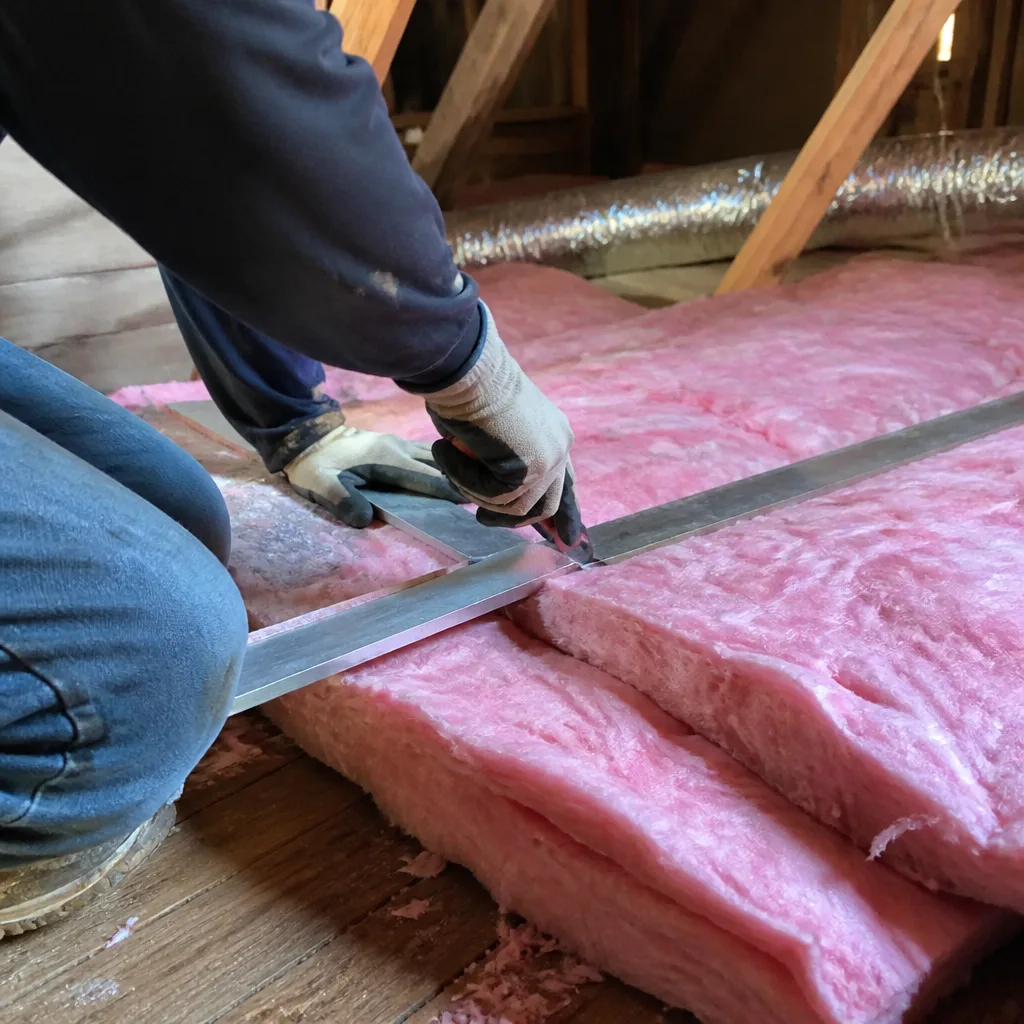
For Littlerock homes with sound air sealing already in place, blown-in fiberglass or cellulose fills irregular joist bays and covers top plates without the gaps batt installations leave. We specify products rated for the Antelope Valley’s wide temperature cycling - Knauf EcoFill, for instance, holds its R-value through the 35-45°F daily swings common at 3,000 ft elevation. The material goes in after blower-door-guided air sealing, never before.
Attic Batt Insulation
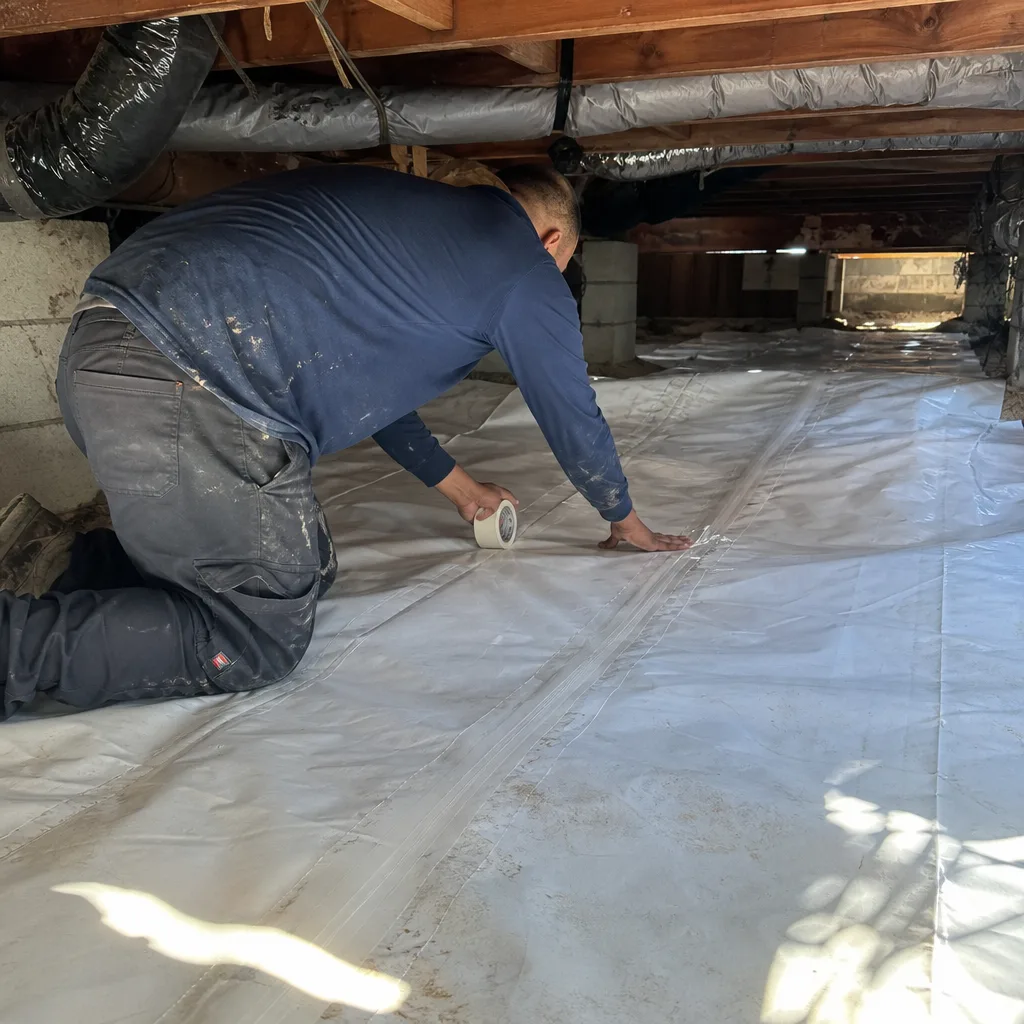
We use batts selectively in Littlerock, mainly for knee walls, vertical gable ends, or attic hatches where blown-in won’t stay put. When we do install batts, we specify unfaced high-density products - Rockwool Comfortbatt, for example - that don’t rely on paper facings vulnerable to desert UV and rodent damage. Every batt job includes air-sealing the perimeter first; we don’t lay insulation over a leaky attic floor.
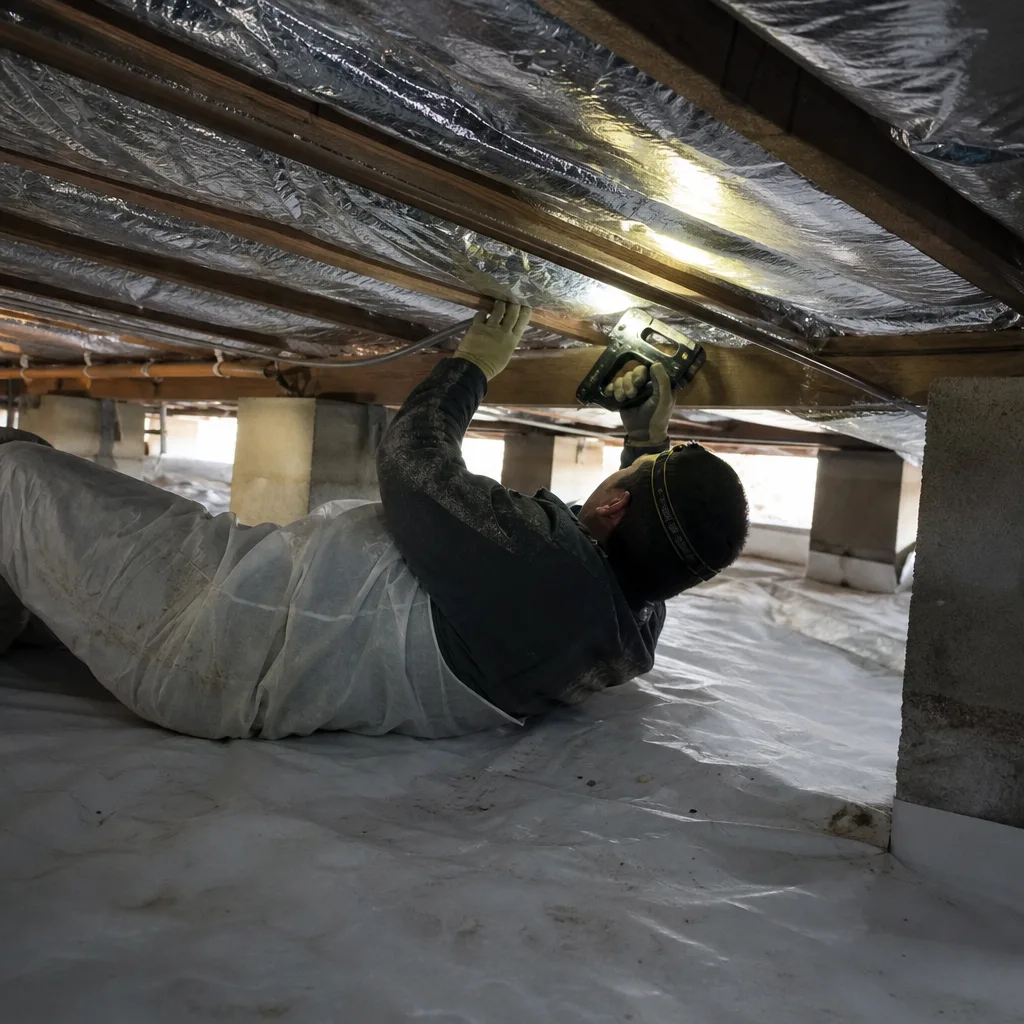
Attic Insulation Top-Up
We’re cautious about top-ups in Littlerock. If the existing insulation is compressed pre-Title 24 fiberglass or shows any sign of rodent contamination, adding new material on top just buries the problem. We’ll inspect and photograph what’s there; if it’s clean and structurally intact, we’ll quote a top-up with specific depth targets. If not, we’ll show you the photos and recommend full replacement.
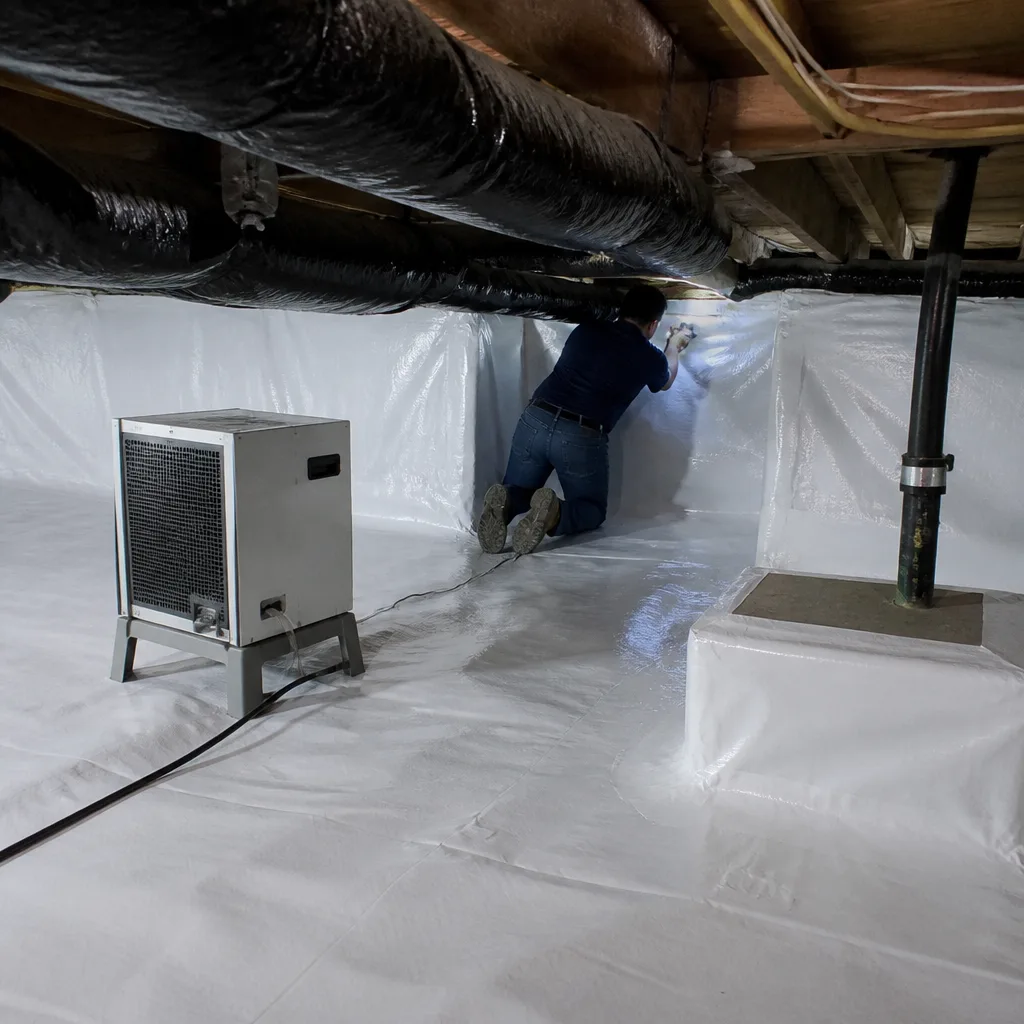
Attic Baffles & Ventilation Prep
The Antelope Valley’s strong seasonal winds and low humidity create specific ventilation challenges. We install baffles - properly, at every eave - to maintain soffit-to-ridge airflow without letting wind-driven dust infiltrate the insulation layer. In Littlerock’s older ranches with minimal original venting, we often add or enlarge gable vents and verify ridge vent continuity before insulating. Poor ventilation prep in this climate leads to summer attic temps that degrade insulation binders and winter moisture patterns that don’t occur in more humid zones.
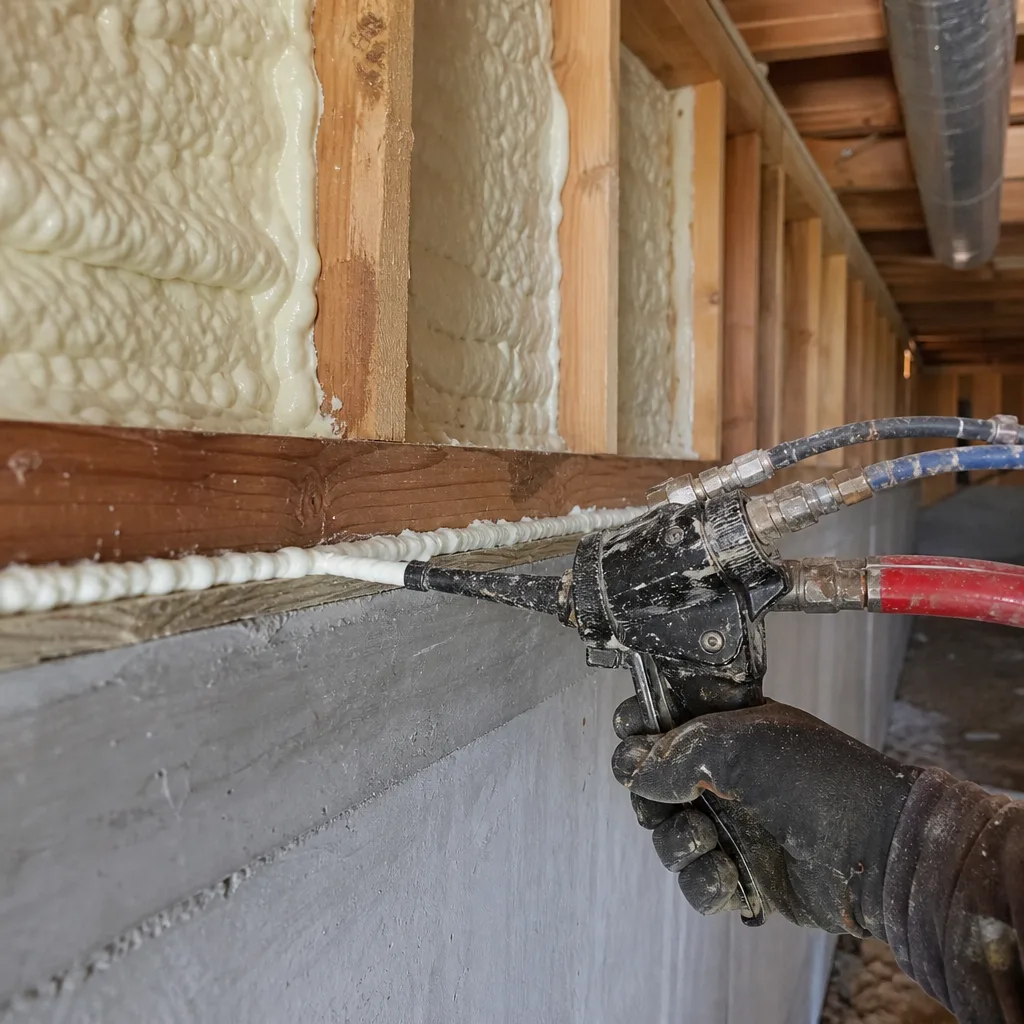
What happens when you call
- 1
A real person answersNo phone trees - you reach a local pro.
- 2
You get an upfront price rangeHonest numbers before anyone is dispatched.
- 3
A background-checked tech heads outLicensed & insured, dispatched right away.
- 4
You approve before work beginsNothing starts until you say go.
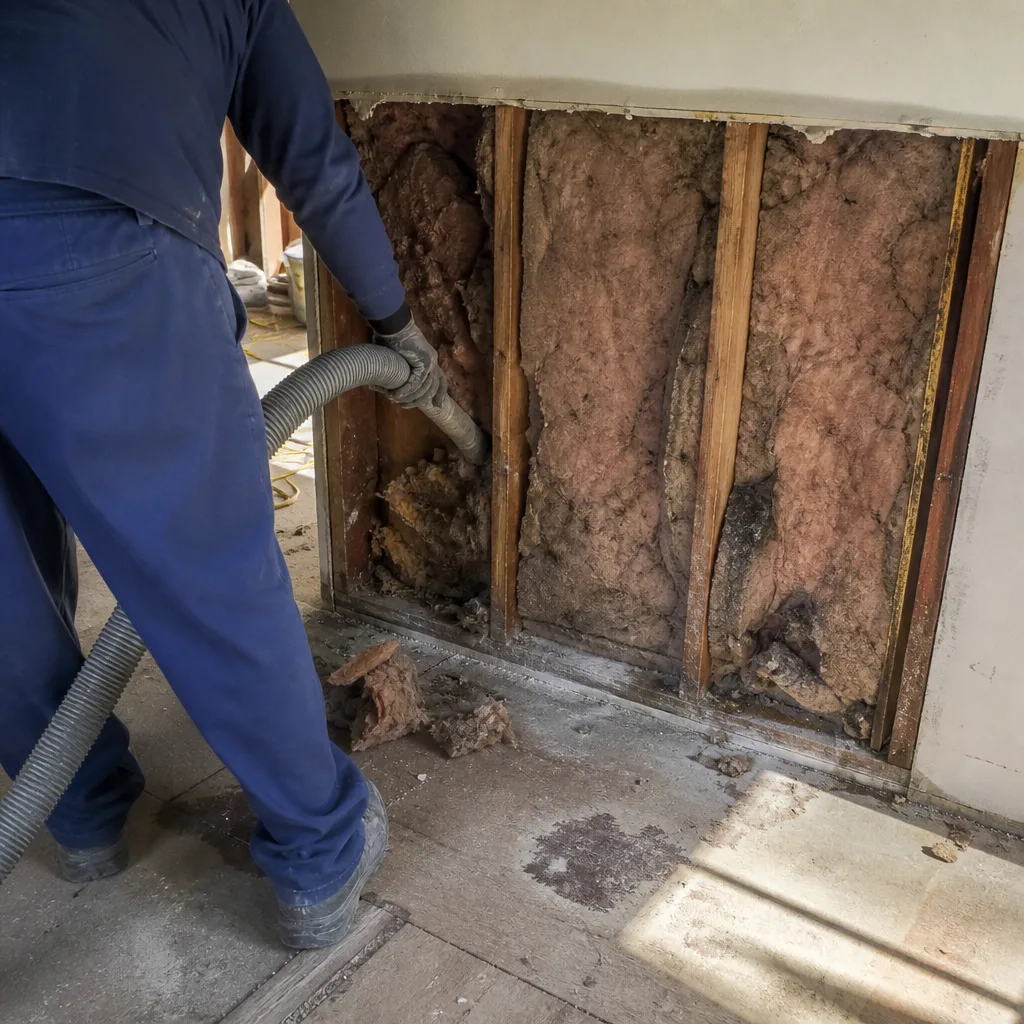 Before
 After
AfterTrusted Brands We Service in Littlerock
We source insulation materials from Knauf, Rockwool, and CertainTeed, among others - no proprietary lock-in, so we specify what performs for your specific attic condition and budget. For Littlerock’s high-desert cycling, we favor Knauf EcoFill blown fiberglass and Rockwool Comfortbatt for applications where density and fire resistance matter. We stock common sizes and R-values locally, so most Littlerock jobs don’t wait on material delivery. If you’re comparing quotes, bring us a competing written estimate - we offer a Free Second Opinion on any written estimate, and we’ll walk through the material specs and coverage depths line by line.
Common Attic Insulation Problems We See in Littlerock Homes
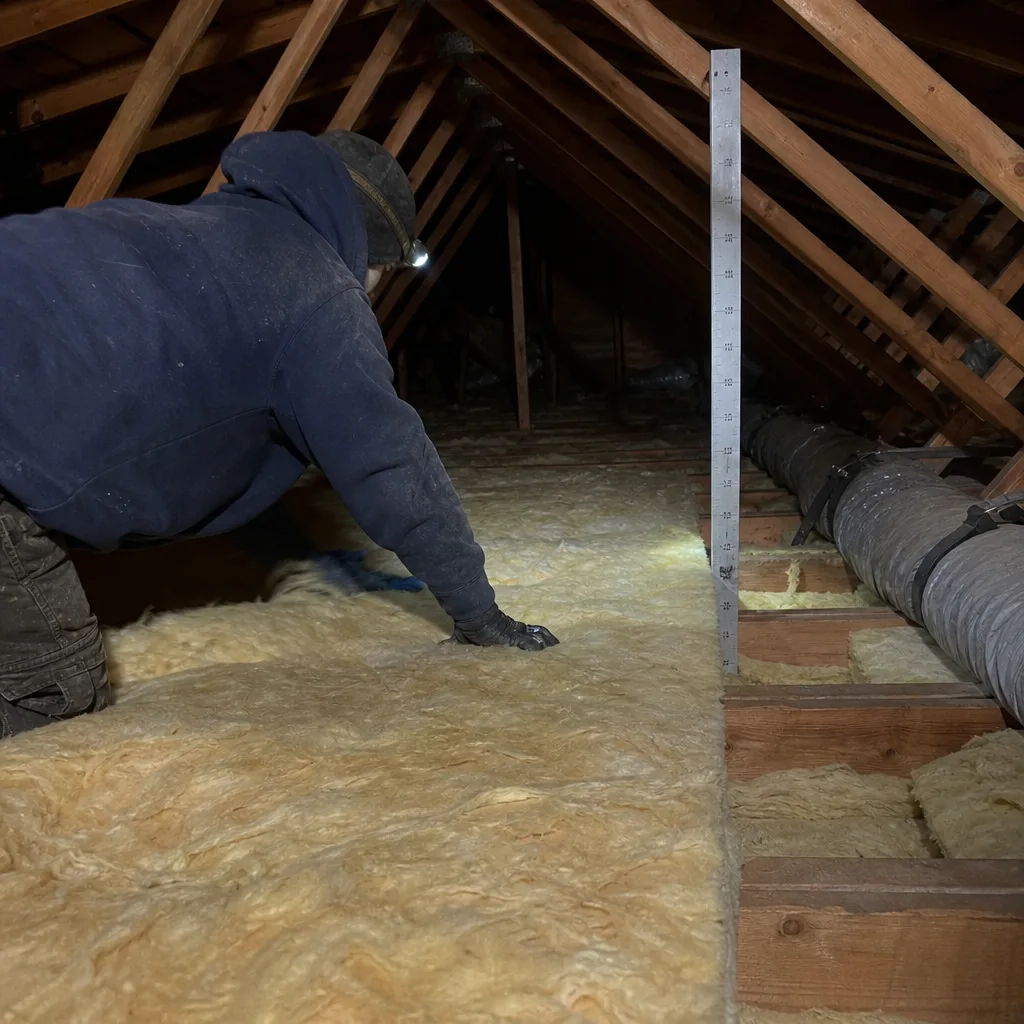
- Pre-Title 24 fiberglass batts compressed to uselessness. The original insulation in 1950s-1970s Littlerock ranch homes was installed before energy codes applied to rural LA County parcels. Decades of settling and foot traffic from maintenance work have compressed these batts to a fraction of their rated R-value. They fail at both summer heat gain and winter heat loss.
- Rodent contamination making top-ups impossible. Rural Littlerock properties with crawl spaces and attics see decades of rodent activity - tunnels, nesting material, droppings. Blowing new insulation over this contamination traps moisture and odors, and it violates our air-quality standard. Full removal and replacement is the only scope we’ll write for these attics.
- Desert UV degradation breaking down batt facings and binders. The Antelope Valley’s intense solar radiation and 35-45°F daily temperature swings attack the paper facings and resin binders in older fiberglass products. Once the facing separates or the binder fails, wind-driven convective loss strips heat straight through the attic floor on winter nights.
- Manufactured home thin envelopes performing poorly under temperature stress. Littlerock’s manufactured and mobile homes have minimal cavity depth and often no attic space at all - just a roof cavity with 2-4 inches of original insulation. These thin-wall envelope systems can’t handle the valley’s thermal swing without supplemental insulation strategies we design case by case.
Pricing for Attic Insulation in Littlerock, CA
Here’s what attic insulation costs in Littlerock’s market:
| Service | Typical Range |
|---|---|
| Attic Insulation Top-Up (clean existing base) | $1,400 - $2,800 |
| Blown-In Attic Insulation (new construction, sealed attic) | $2,200 - $4,200 |
| Attic Insulation Replacement (remove + replace, ranch home) | $2,800 - $6,500 |
| Attic Insulation Replacement (manufactured/mobile home) | $1,800 - $3,800 |
| Attic Baffles & Ventilation Prep (add-on or standalone) | $600 - $1,400 |
What moves you within these ranges: attic square footage, current insulation condition (removal adds labor), accessibility (steep roof pitch, limited hatch size), and whether air sealing is needed before insulation. Every Littlerock job gets a Written Price Before Any Work Starts - flat price, written scope, written warranty before anyone lifts a tool. Call (661) 403-4467 for your free estimate; we’ll inspect, photograph, and quote with no obligation.
We Also Serve Cities Near Littlerock
Our crews work throughout the Antelope Valley and western San Gabriel foothills, including Littlerock and nearby Palmdale, Acton, Lancaster, and Altadena. If you’re outside Littlerock proper, we still apply the same high-desert expertise - though we’ll adjust our material specs and ventilation recommendations for your specific elevation and microclimate. Our Attic Insulation team can route to your property from any of these service points.
Serving Littlerock, CA - Our Local Coverage Area
We’re based in the Littlerock area and know this community well. Use the map below to see our service coverage - if you’re nearby, we can almost certainly help.
FAQs - Attic Insulation in Littlerock
Because most pre-Title 24 insulation in Littlerock is compressed, UV-degraded, and often rodent-contaminated - conditions a top-up would bury rather than fix. We inspect and photograph what’s there; if we find clean, structurally intact material, we’ll quote a top-up. If not, we recommend removal and replacement with documented photo evidence of why. Call (661) 403-4467 for an inspection - estimates are free.
The 35-45°F daily swing at this elevation stresses insulation products not rated for wide-cycle thermal performance - batt facings crack, binders degrade, and settled fiberglass loses effective R-value faster than in stable coastal climates. We specify materials tested for this cycling, and we always air-seal before insulating so convective loss doesn’t undermine whatever product we install. The right insulation for a Santa Monica attic fails visibly in Littlerock within a few seasons.
Yes. Manufactured homes have minimal cavity depth and often no true attic - just a roof cavity with 2-4 inches of original insulation. The thin-wall envelope performs poorly under the Antelope Valley’s thermal swing, and standard batt or blown-in approaches may not fit. We design supplemental strategies: sometimes rigid foam on the roof deck interior, sometimes encapsulated spray foam in the cavity, always with ventilation calculated for the specific unit. Bring us your manufacturer specs if you have them.
Strong seasonal winds drive dust infiltration and can reverse intended airflow patterns if baffles are missing or poorly installed. Low humidity means we don’t face the moisture accumulation issues of coastal zones, but we do see extreme radiant heat gain through unvented roof decks - attic temps past 150°F - that degrades insulation binders and raises cooling load. Our ventilation prep balances wind-driven dust exclusion with adequate soffit-to-ridge airflow, sized for your roof pitch and square footage.
We can remove and sanitize, but we don’t recommend leaving the attic uninsulated in Littlerock’s climate. An uninsulated attic floor in January loses heat fast; in July, it radiates downward all day. If budget is a constraint, we’ll quote a phased scope - removal and air sealing first, insulation to follow when you’re ready - with the written price for each phase delivered upfront. Call (661) 403-4467 to discuss timing that works for you.
Written by Wes Okafor, Owner at Topside Attic Insulation Palmdale, serving Littlerock and the Antelope Valley.